> ## Documentation Index
> Fetch the complete documentation index at: https://travel-info.co.zw/llms.txt
> Use this file to discover all available pages before exploring further.
# Eastern Highlands
> Guide to Zimbabwe's Eastern Highlands mountain range along the Mozambique border. Nyanga, Chimanimani, Bvumba, hiking trails, waterfalls, and cool-climate retreats.
export const LocationMap = ({lat, lng, zoom = 12, title = "Location", showMarker = true, height = "400px"}) => {
if (!lat || !lng) {
return
;
};
The Eastern Highlands form a stunning mountain range running north to south along Zimbabwe's border with Mozambique. This verdant region stands in stark contrast to the savanna landscapes typically associated with Zimbabwe, offering cool climates, misty mountains, flowing waterfalls, pine forests, and tea plantations.
Divided into three main areas—Nyanga in the north, Bvumba in the central region, and Chimanimani in the south—the Eastern Highlands provide a perfect highland retreat for nature lovers, hikers, and those seeking respite from the heat of the lowveld.
## Why Visit the Eastern Highlands
This unique region offers experiences not found elsewhere in Zimbabwe:
* **Pleasant climate** year-round with cool temperatures even during summer
* **Spectacular hiking** through diverse mountain landscapes
* **Remarkable biodiversity** including rare birds, plants, and butterflies
* **Tea and coffee plantations** reminiscent of colonial hill stations
* **Waterfalls and crystal-clear rivers** perfect for swimming and fishing
* **Charming historical towns** with English-inspired architecture
* **Adventure activities** from horseback riding to mountain biking
* **Tranquil retreats** away from the busier safari circuits
## Key Areas
### Nyanga National Park
The northernmost section of the Eastern Highlands, Nyanga offers dramatic landscapes and the highest peaks in Zimbabwe:
**Key Attractions:**
* **Mount Nyangani**: Zimbabwe's highest mountain (2,592m) with a relatively easy hiking trail to the summit
* **Nyangombe Falls**: Picturesque waterfall with natural pools ideal for swimming
* **Mtarazi Falls**: Zimbabwe's highest waterfall with a 762m drop (accessible via zipline)
* **World's View**: Spectacular panoramic viewpoint overlooking the highlands
* **Nyanga Downs**: Trout fishing streams and dams
* **Rhodes Nyanga National Park**: Historical sites including Cecil Rhodes' cottage
* **Troutbeck Resort**: Iconic highland hotel with golf course and fishing
* **Ancient ruins**: Including terracing and pit structures from early settlements
**Activities:**
* Hiking on numerous marked trails
* Trout fishing in stocked dams and streams
* Mountain biking on forest trails
* Historical site tours
* Horse riding through mountain terrain
* Zipline across Mtarazi Falls gorge
### Bvumba Mountains
The central highlands area just southeast of Mutare, known for its mist-shrouded forests and botanical gardens:
**Key Attractions:**
* **Cecil Kop Nature Reserve**: Wildlife sanctuary with hiking trails
* **Bvumba Botanical Gardens**: Beautiful landscaped gardens with exotic plants
* **Bunga Forest**: Pristine montane forest with rare birds
* **Burma Valley**: Agricultural valley with fruit orchards and wineries
* **Cross Kopje**: Viewpoint offering vistas into Mozambique on clear days
* **White Horse Inn**: Historic hotel famous for its fine dining
* **Castle Beacon**: Highest point in the Bvumba range
**Activities:**
* Birdwatching (over 300 species, including the rare Swynnerton's Robin)
* Forest walks and hiking
* Botanical garden tours
* Wine tasting at local estates
* Butterfly watching (especially during summer months)
* Golf at Leopard Rock Hotel's championship course
### Chimanimani
The most remote and rugged of the three highland areas, offering wilderness experiences and challenging hiking:
**Key Attractions:**
* **Chimanimani National Park**: Pristine wilderness with dramatic quartzite mountains
* **Bridal Veil Falls**: Stunning 50m waterfall just outside Chimanimani village
* **Chimaninami Mountains**: Challenging peaks including Binga and Kweza
* **Outward Bound Center**: Adventure training facility
* **Haroni and Rusitu Forest Reserves**: Rare lowland forest habitats with endemic plants
* **Hot springs**: Natural thermal springs in remote locations
**Activities:**
* Multi-day wilderness hiking and camping
* Rock climbing and abseiling
* River swimming in crystal clear mountain pools
* Visiting local communities and art projects
* Photography of unique mountain landscapes
* Botanical exploration (area has high plant endemism)
## Top Experiences
### Hiking and Trekking
The Eastern Highlands offer Zimbabwe's best hiking opportunities:
**Beginner-Friendly Options:**
* **Nyangani Summit Trail**: 4km round trip to Zimbabwe's highest point
* **Cecil Kop Nature Reserve Trails**: Short marked trails near Mutare
* **Bunga Forest Walk**: 3km loop through misty forest in the Bvumba
**Intermediate Hikes:**
* **Pungwe Gorge Trail**: Full-day scenic hike in Nyanga
* **Bridal Veil Falls Trail**: 5km round trip from Chimanimani village
* **Bvumba Circular Route**: 12km day hike around the Bvumba peaks
**Advanced Multi-Day Treks:**
* **Chimanimani Mountains Traverse**: 3-4 day wilderness experience
* **Honde Valley Trek**: 2-3 day guided hike through remote communities
* **Border Trail**: 5-day challenging route along the Mozambique border
**Important Notes:**
* Local guides recommended for longer/remote routes
* Park fees apply in national park areas
* Carry sufficient water and appropriate clothing
* Weather can change rapidly in mountain areas
### Waterfalls and Swimming
The region boasts numerous pristine waterfalls with natural swimming pools:
**Most Accessible:**
* **Mtarazi Falls**: Viewable from platforms; no swimming
* **Nyangombe Falls**: Easy access and excellent swimming pools
* **Bridal Veil Falls**: Short walk from Chimanimani with great swimming
**Worth the Effort:**
* **Mutarazi Falls**: Challenging hike but spectacular scenery
* **Manchester Falls**: Remote location in Nyanga with pristine pools
* **Pungwe Falls**: Scenic cascades requiring half-day hike
**Swimming Safety:**
* Check water conditions, especially after heavy rain
* Never dive as underwater rocks may be present
* Be cautious of slippery surfaces around falls
* Some areas have bilharzia risk - check with locals
### Historical Sites
The Eastern Highlands contain fascinating historical remnants:
**Colonial Heritage:**
* **Rhodes Nyanga Hotel**: Historic hotel built in 1899
* **Rhodes' Cottage**: Cecil Rhodes' former mountain retreat
* **Pungwe Drift**: Old coach road crossing point
* **Cecil Kop**: Named after Cecil Rhodes with wartime relics
**Ancient Sites:**
* **Nyanga Terracing**: Extensive agricultural terraces from 16-19th century
* **Pit Structures**: Mysterious stone structures for cattle keeping or fortification
* **Ziwa Ruins**: Archaeological site with stone structures and artifacts
**Cultural Interest:**
* **Gosho Park**: Traditional village reconstruction near Nyanga
* **Local Craft Centers**: Traditional crafts including stone sculpture and basketry
## Where to Stay
### Nyanga Area
* Troutbeck Resort
* Inn on Rupurara
* Pine Tree Inn
* Rhodes Nyanga Hotel
* Tony's Coffee Shop & Cottages
* Nyanga Self-Catering Chalets
* Nyanga National Park Lodges
* Eastern Highlands Motel
* Nyafaru Campsite
### Bvumba Area
* Leopard Rock Hotel
* White Horse Inn
* Musangano Lodge
* Inn on the Rupurara
* Cloudlands Hotel
* Selborne Routledge
* Cecil Kop Campsite
* Ndundu Lodge
* Bvumba View Lodges
### Chimanimani Area
* Frog & Fern Cottages
* Chimanimani Hotel
* Heaven Lodge
* Outward Bound Center
* Chimanimani National Park Camping
* Kweza Backpackers
* Far & Wide Community Tourism Project
* Batanai Community Guesthouse
* Ndongeni Forest Lodge
## When to Visit
The most popular time to visit the Eastern Highlands:
* Clear skies with excellent visibility for views and photography
* Comfortable daytime temperatures (15-22°C/59-72°F)
* Cool to cold nights, especially June-August (can drop to 0-10°C/32-50°F)
* Less risk of rain affecting hiking plans
* Reduced vegetation making some trails easier to follow
* Peak tourist season, especially during school holidays
**Best for**: Hiking, photography, outdoor activities
The green season offers different advantages:
* Lush, verdant landscapes with flowers and rushing waterfalls
* Warmer temperatures (18-25°C/64-77°F)
* More frequent mist and atmospheric conditions
* Fewer visitors and lower accommodation rates
* Afternoon thunderstorms but usually with morning clear periods
* Enhanced waterfall experiences with maximum flow
* Best bird watching opportunities
**Best for**: Botany enthusiasts, waterfall visits, photography of misty landscapes
**Photography Tip**: The "shoulder months" of April/May and October/November often provide the best combination of greenery, clear skies, and moderate visitor numbers.
## Practical Information
**Minimum**: 2 days for a single area (Nyanga, Bvumba, or Chimanimani)
**Recommended**: 4-5 days to experience two areas
**Ideal**: 7+ days to explore all three regions thoroughly
* **From Harare to Nyanga**: 3-hour drive (265 km) on good paved roads
* **From Harare to Bvumba**: 4-hour drive (290 km) via Mutare
* **From Harare to Chimanimani**: 5-hour drive (350 km)
* **Public transport**: Regular buses to Mutare, then limited connections to highland areas
* **Car rental**: Highly recommended for flexibility
* Layered clothing (temperatures can change rapidly)
* Warm jacket and hat, even in summer
* Raincoat/poncho (year-round)
* Sturdy hiking boots with good grip
* Sun protection (despite cooler temperatures, UV is strong at altitude)
* Insect repellent (especially in summer)
* Refillable water bottle
* Swimwear for waterfall pools
* Elevations range from 1,500-2,500m (4,900-8,200 ft)
* Mild altitude effects possible for sensitive individuals
* Increased sun exposure at higher elevations
* Temperature drops approximately 6°C for every 1,000m of elevation gain
* Allow time for acclimatization before strenuous hikes
## Combining with Other Destinations
The Eastern Highlands pair well with these nearby attractions:
* **Great Zimbabwe**: 3-4 hour drive from southern highlands
* **Gonarezhou National Park**: 4-5 hour drive from Chimanimani
* **Nyanga Cultural Sites**: Easily combined with Nyanga visit
* **Mozambique Beaches**: Accessible from Mutare (border procedures required)
For a comprehensive eastern Zimbabwe itinerary, consider:
* 3 days in Eastern Highlands
* 2 days at Great Zimbabwe
* 3-4 days in Gonarezhou National Park
## Local Culture and Communities
The Eastern Highlands are home to various communities with distinct traditions:
* **Shona communities**: Main ethnic group with rich artistic traditions
* **Tea and coffee estate workers**: Multi-generational communities with unique culture
* **Chimanimani artisans**: Known for woodcarving and stone sculpture
* **Nyanga farming communities**: Traditional agricultural practices
Support local economies by:
* Visiting community craft centers
* Hiring local guides for hikes
* Purchasing locally grown tea, coffee, and fruit products
* Engaging with community tourism initiatives
***
**Mountain Safety**: Weather in the Eastern Highlands can change rapidly. Always inform someone of your hiking plans, carry appropriate gear, and consider hiring a local guide for unfamiliar routes. Cell phone coverage can be limited in remote areas.
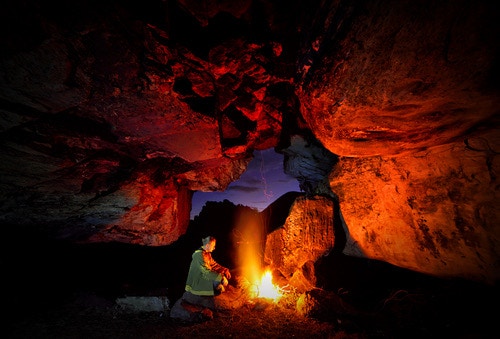 The Eastern Highlands form a stunning mountain range running north to south along Zimbabwe's border with Mozambique. This verdant region stands in stark contrast to the savanna landscapes typically associated with Zimbabwe, offering cool climates, misty mountains, flowing waterfalls, pine forests, and tea plantations.
Divided into three main areas—Nyanga in the north, Bvumba in the central region, and Chimanimani in the south—the Eastern Highlands provide a perfect highland retreat for nature lovers, hikers, and those seeking respite from the heat of the lowveld.
The Eastern Highlands form a stunning mountain range running north to south along Zimbabwe's border with Mozambique. This verdant region stands in stark contrast to the savanna landscapes typically associated with Zimbabwe, offering cool climates, misty mountains, flowing waterfalls, pine forests, and tea plantations.
Divided into three main areas—Nyanga in the north, Bvumba in the central region, and Chimanimani in the south—the Eastern Highlands provide a perfect highland retreat for nature lovers, hikers, and those seeking respite from the heat of the lowveld.