> ## Documentation Index
> Fetch the complete documentation index at: https://travel-info.co.zw/llms.txt
> Use this file to discover all available pages before exploring further.
# Great Zimbabwe
> Visit Great Zimbabwe, a UNESCO World Heritage Site and the largest ancient stone construction south of the Sahara. Touring tips, history, and how to get there.
export const LocationMap = ({lat, lng, zoom = 12, title = "Location", showMarker = true, height = "400px"}) => {
if (!lat || !lng) {
return
;
};
Great Zimbabwe is a UNESCO World Heritage site and the largest ancient stone construction in sub-Saharan Africa. This remarkable archaeological site gives Zimbabwe its name (literally meaning "houses of stone") and stands as a testament to the advanced civilization that flourished here between the 11th and 15th centuries.
## Historical Significance
The monumental stone city of Great Zimbabwe was the capital of the Kingdom of Zimbabwe, which controlled trade throughout the region during the African Iron Age. At its peak in the late 14th century, it housed around 18,000 people and was the center of a trading network that extended to China and Persia.
For centuries, colonial narratives attempted to attribute these impressive structures to non-African civilizations. Today, it is firmly established that Great Zimbabwe was built by ancestors of the Shona people and represents one of Africa's most important archaeological treasures.
## Main Features of the Site
Great Zimbabwe covers nearly 800 hectares (1,977 acres) and consists of three main architectural zones:
The oldest part of the ruins, perched dramatically on a hill with stunning views. Believed to have been a royal residence and religious center. Features include the Eastern Enclosure and numerous small enclosures connected by narrow, winding passages.
The most impressive structure, featuring massive curved walls up to 11 meters (36 feet) high and 250 meters (820 feet) in circumference. Contains the famous Conical Tower, a solid stone structure 10 meters tall whose purpose remains debated. This area likely housed the elite of Great Zimbabwe.
A series of living compounds spread between the Hill Complex and Great Enclosure where most of the population lived. Reveals how the settlement expanded over time as the kingdom grew in wealth and power.
## Exploring the Ruins
A visit to Great Zimbabwe typically takes 2-4 hours to fully appreciate. Two main options for exploring:
### Self-Guided Tour
With a map from the entrance, you can explore at your own pace. Main points of interest include:
* **Main entrance and site museum**: Start here to understand the site's history
* **Hill Complex**: Steep climb but rewarding views (allow 45-60 minutes)
* **Great Enclosure**: The most photogenic area with impressive walls (allow 45-60 minutes)
* **Valley Ruins**: Less visited but offers insight into daily life (allow 30 minutes)
**Entry fee**: \$15 USD for international visitors
### Guided Tour
Official guides are available at the entrance for approximately \$10-15 USD (plus tip) and provide:
* In-depth historical context and archaeological insights
* Explanations of construction techniques and site significance
* Stories about daily life during Great Zimbabwe's heyday
* Navigation through the complex pathways, especially in the Hill Complex
**Recommendation**: Guided tours significantly enhance your understanding of the site and its cultural importance.
## Artifacts and Museum
The on-site museum houses important artifacts discovered during excavations:
* **Soapstone bird carvings**: Eight of these were found at the site (one is now featured on Zimbabwe's flag)
* **Imported artifacts**: Chinese ceramics, Persian glass, and Arab coins demonstrating extensive trade networks
* **Gold items**: Jewelry and ornaments showing the wealth of the kingdom
* **Iron tools**: Evidence of advanced metalworking
* **Clay figurines**: Representing daily life and religious practices
Many artifacts from Great Zimbabwe were looted during the colonial era and remain in foreign museums. Zimbabwe continues to work toward their repatriation.
## Cultural Experience
Beyond the archaeological interest, Great Zimbabwe offers cultural experiences:
* **Traditional dance performances**: Occasionally held near the entrance (check schedule)
* **Local craft market**: Stone carvings, baskets, and textiles made by local artisans
* **Cultural demonstrations**: Traditional activities sometimes demonstrated by local guides
## Accommodation Options
* Great Zimbabwe Hotel (closest to ruins)
* Norma Jeane's Lakeview Resort (15 km away)
* Lodge at the Ancient City
* Inn on Great Zimbabwe
* Great Zimbabwe Camping
* Masvingo Backpackers (in nearby Masvingo town)
## Practical Information
* Open daily from 8:00 AM to 5:00 PM
* Early morning (8:00-10:00 AM) offers the best lighting for photography and cooler temperatures for climbing the Hill Complex
* Late afternoon light creates dramatic shadows on the stone walls
* Allow 3-4 hours for a complete visit
* Located near Masvingo town, about 25 km away
* From Harare: 300 km (3.5-hour drive)
* From Bulawayo: 280 km (3-hour drive)
* Public transport: Buses to Masvingo, then local minibus to site
* Many tour operators offer day trips or include Great Zimbabwe in multi-day itineraries
* Comfortable walking shoes (some climbing required)
* Hat and sunscreen (limited shade)
* Water (can be purchased on-site but bring extra)
* Camera (tripods require additional permission)
* Light jacket during winter months (May-August)
* Year-round destination with mild climate
* Dry season (May-October): Clear views and easier walking conditions
* Wet season (November-April): Lush surrounding vegetation but potential for muddy paths
* Avoid major holidays when the site can get crowded
## Nearby Attractions
Consider including these nearby destinations in your itinerary:
* **Lake Mutirikwi**: Zimbabwe's second-largest lake, just 10 km from Great Zimbabwe
* **Kyle Recreational Park**: Wildlife viewing and water activities on Lake Mutirikwi
* **Masvingo**: Colonial-era buildings and local markets
* **Gonarezhou National Park**: Less-visited wilderness (3-hour drive)
## Cultural Significance Today
Great Zimbabwe remains a powerful symbol of Zimbabwe's pre-colonial heritage and national identity. The site is featured on the country's flag, currency, and national coat of arms.
For many Zimbabweans, it represents proof of the advanced indigenous civilizations that flourished before European colonization and serves as a source of cultural pride.
**Respectful Visiting**: Great Zimbabwe is not only a historical site but also a place of spiritual significance to many local people. Visitors should behave respectfully, as they would at any important religious or cultural monument.
***
**Photography Permits**: Standard photography for personal use is included in your entrance fee. Professional photography, commercial filming, or drone usage requires special permits arranged in advance through National Museums and Monuments of Zimbabwe.
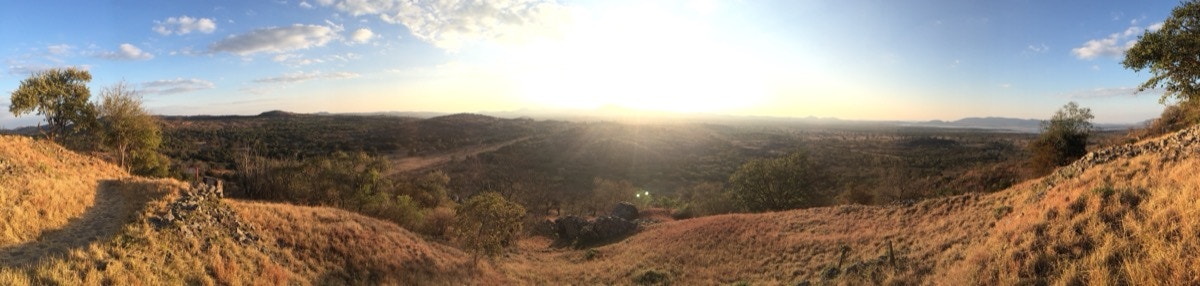 Great Zimbabwe is a UNESCO World Heritage site and the largest ancient stone construction in sub-Saharan Africa. This remarkable archaeological site gives Zimbabwe its name (literally meaning "houses of stone") and stands as a testament to the advanced civilization that flourished here between the 11th and 15th centuries.