> ## Documentation Index
> Fetch the complete documentation index at: https://travel-info.co.zw/llms.txt
> Use this file to discover all available pages before exploring further.
# Conservation Efforts
> Wildlife conservation in Zimbabwe. Anti-poaching efforts, community conservancies, species recovery programs, and how tourism supports protection of endangered animals.
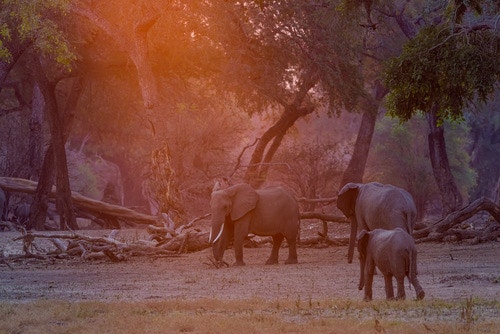 Despite economic challenges, Zimbabwe has maintained one of Africa's most successful wildlife conservation records. Through innovative community programs, dedicated anti-poaching efforts, and habitat protection, Zimbabwe hosts thriving populations of elephants, African wild dogs, and other iconic species. Your visit directly supports these conservation efforts.
## Conservation Success Stories
**Status:** Population stable and growing
**Numbers:** \~82,000+ (one of Africa's largest populations)
**Success Factors:**
* Strong anti-poaching enforcement
* CAMPFIRE community benefit programs
* Habitat protection through national parks
* Transfrontier conservation areas enabling migration
* Community tolerance due to benefit-sharing
**Challenges:**
* Human-elephant conflict in communal areas
* Habitat pressure from human settlements
* Occasional overpopulation in fenced reserves
* Drought impacts on food and water availability
**Tourist Impact:**
* Park fees fund ranger patrols and infrastructure
* Tourism employment reduces poaching incentives
* Viewing elephants validates their conservation value
* Documentation helps monitor populations
**Status:** Endangered globally, thriving in Zimbabwe
**Numbers:** \~700 (one of Africa's largest populations, \~10% of global total)
**Success Factors:**
* Painted Dog Conservation (PDC) programs
* Anti-snaring initiatives
* Veterinary intervention for injured animals
* Research and monitoring (radio collars)
* Large protected areas (Hwange, Mana Pools)
* Community education programs
**Challenges:**
* Disease from domestic dogs (rabies, distemper)
* Snaring (indiscriminate wire traps)
* Human-wildlife conflict
* Habitat fragmentation
* Small gene pools in isolated populations
**Organizations:**
* Painted Dog Conservation (Hwange)
* Wildlife Conservation Action
* Zimbabwe Parks & Wildlife
**How to Help:**
* Visit PDC rehabilitation center in Hwange
* Support through donations or merchandise
* Report snares and injured animals
* Choose lodges supporting wild dog conservation
**Status:** Critically endangered, slowly recovering
**Numbers:** Small population (exact numbers confidential for security)
**Success Factors:**
* Intensive Protection Zones (IPZs)
* 24/7 armed ranger protection
* Radio tracking of individuals
* Dehorning programs to reduce poaching incentive
* Successful breeding in protected areas
* Translocation to establish new populations
* Intelligence-led anti-poaching operations
**Challenges:**
* High-value poaching target (horn worth more than gold)
* Sophisticated poaching syndicates
* Limited genetic diversity
* Slow reproduction (one calf every 3-5 years)
* Habitat requirements
**Protection Measures:**
* Armed guard accompaniment 24/7
* Technology: drones, camera traps, sensors
* K9 anti-poaching units
* Community intelligence networks
* Severe penalties for poaching (includes life sentences)
**Tourist Role:**
* Rhino tracking fees fund protection
* NEVER share rhino sighting locations on social media
* Report suspicious activity
* Support rhino conservation organizations
**Status:** Near threatened, stable in Zimbabwe
**Numbers:** Small but growing population
**Success Factors:**
* Successful breeding programs (Matobo Hills)
* Rhino walking safaris generate revenue
* Community benefit from rhino tourism
* Translocations from South Africa establishing populations
* Less targeted than black rhinos (slightly)
**Viewing:**
* Matobo Hills National Park offers rhino tracking walks
* Close encounters with habituated individuals
* Educational programs for visitors
**Conservation Model:**
* Demonstrates value of living rhinos vs. horn
* Tourism revenue exceeds potential poaching profit
* Community employment through tourism
* Successful model for rhino conservation
## Major Conservation Challenges
**Scope:**
While Zimbabwe has fared better than some African countries, poaching remains a serious threat.
**Primary Targets:**
* **Rhinos:** Horn valued for traditional medicine (Asia), dagger handles (Yemen)
* **Elephants:** Ivory for carvings and ornaments (mainly Asian markets)
* **Pangolins:** Scales for traditional medicine, meat as delicacy
* **Leopards:** Skins for traditional ceremonies
* **Wildlife for bushmeat:** Indiscriminate snaring
**Methods:**
* Sophisticated syndicates with international networks
* Firearms (AK-47s often from conflict zones)
* Poisoning (cyanide in water holes - devastating for vultures)
* Wire snares (indiscriminate, cruel, kill all species)
* Bow and arrow (silent, difficult to detect)
**Counter-Poaching Efforts:**
* **Rangers:** Over 1,000 rangers patrolling parks (poorly paid but dedicated)
* **Technology:** Drones, camera traps, motion sensors, thermal imaging
* **K9 Units:** Sniffer dogs detect ivory, weapons, poachers
* **Intelligence:** Community informant networks
* **Prosecution:** Stiffer penalties including life sentences
* **Demand Reduction:** Campaigns in consumer countries
**Funding Challenges:**
* Ranger salaries often delayed
* Equipment shortages (vehicles, radios, boots)
* Technology expensive to acquire and maintain
* Conservation competes with other national priorities
**How Tourism Helps:**
* Park fees directly fund ranger patrols
* Lodges often employ private security supplementing rangers
* Tourism creates employment alternatives to poaching
* Visitor presence deters poaching activity
* Photographs help monitor populations
**The Challenge:**
As human settlements expand around protected areas, conflicts increase.
**Types of Conflict:**
* **Elephants:** Crop raiding (can destroy entire harvests overnight)
* **Predators:** Livestock killing (lions, leopards, hyenas, wild dogs)
* **Buffalo:** Crop damage, disease transmission (corridor disease)
* **Hippos:** Crop raiding at night, human fatalities
* **Crocodiles:** Attacks on people, livestock at water sources
* **Primates:** Crop raiding (baboons especially problematic)
**Consequences:**
* Economic losses for communities (crops, livestock)
* Human injuries and fatalities
* Retaliatory killing of wildlife (poisoning, shooting)
* Community resentment toward conservation
**Mitigation Efforts:**
* **CAMPFIRE Program:** Communities benefit financially from wildlife
* **Problem Animal Control:** ZimParks responds to conflict situations
* **Barriers:** Chili fences, beehive fences (elephants), bomas for livestock
* **Compensation Schemes:** Payment for verified losses
* **Early Warning Systems:** Community scouts alert to approaching elephants
* **Translocation:** Moving repeat offenders to remote areas
* **Community Engagement:** Education about coexistence
* **Insurance Programs:** Covering crop and livestock losses
**Success Stories:**
* Communities receiving CAMPFIRE revenue protect wildlife
* Chili fences reducing elephant raids (elephants hate capsaicin)
* Predator-proof livestock enclosures reducing lion killing
* Income from tourism exceeding crop value in some areas
**Tourist Role:**
* Stay at lodges with community partnerships
* Support CAMPFIRE programs
* Understand the challenges local communities face
* Contribute to conflict mitigation programs
**The Threat:**
Wire snares are indiscriminate, cruel, and devastating to wildlife.
**Impact:**
* Kill or maim all species (elephants, lions, wild dogs, antelope)
* Injured animals suffer slow, painful deaths
* Survivors often lose limbs, trunks, or suffer infections
* Particularly devastating to endangered species
**Motivation:**
* Bushmeat for food (poverty-driven)
* Bushmeat for sale (commercial)
* Sometimes accidental bycatch (snares set for small game catch large animals)
**Scale:**
* Thousands of snares removed annually
* Many more undetected in remote areas
* Problem increases during economic hardship
**Anti-Snaring Efforts:**
* **De-Snaring Patrols:** Rangers and anti-poaching teams remove snares
* **Sniffer Dogs:** Trained to detect wire snares
* **Community Reporting:** Incentives for reporting snare locations
* **Veterinary Teams:** Treating injured animals (especially elephants, wild dogs)
* **Prosecution:** Snaring is illegal with significant penalties
**Success Stories:**
* Painted Dog Conservation: Hundreds of injured dogs treated and released
* Zimbabwe Elephant Nursery: Rehabilitating orphaned and injured elephants
* De-snaring teams in Gonarezhou and Hwange removing thousands of snares
**Organizations:**
* Painted Dog Conservation
* International Anti-Poaching Foundation (Akashinga female rangers)
* Zimbabwe Conservation Task Force
* Wildlife & Environment Zimbabwe
**How to Help:**
* Report any snares you see to park authorities
* Support anti-snaring organizations
* Visit rehabilitation centers
* Choose tour operators with anti-snaring commitments
**Pressure Points:**
* Agricultural expansion into wildlife corridors
* Settlements around park boundaries
* Firewood collection and logging
* Mining operations near protected areas
* Infrastructure development (roads, dams)
**Consequences:**
* Wildlife corridors blocked
* Populations isolated (genetic problems)
* Increased human-wildlife conflict
* Habitat degradation
* Species unable to follow traditional migration routes
**Mitigation:**
* **Transfrontier Conservation Areas:** KAZA and Great Limpopo reconnect habitats
* **Wildlife Corridors:** Protected linkages between parks
* **Community Conservation:** CAMPFIRE gives communities stake in protection
* **Land Use Planning:** Zoning to separate settlements and wildlife
* **Sustainable Resource Use:** Controlled firewood collection, grazing
**Successes:**
* Sengwe Corridor linking Gonarezhou to Kruger restored
* KAZA TFCA creating 520,000 km² of connected habitat
* Community conservancies establishing buffer zones
* Fence removal allowing natural migrations
**Effects on Wildlife:**
* More frequent and severe droughts
* Water source depletion
* Vegetation changes affecting grazers and browsers
* Food scarcity during extreme weather
* Disease outbreaks due to stress
* Changed migration patterns
**Recent Events:**
* 2015-2016 drought killed hundreds of elephants, buffalo in Hwange
* Waterhole management became critical for survival
* Supplemental feeding necessary in extreme conditions
**Adaptation Strategies:**
* Artificial waterholes to supplement natural sources
* Borehole drilling in parks
* Vegetation management
* Migration corridor protection
* Research on climate-resilient conservation
**Long-term Concerns:**
* Shifting habitat suitability
* Species range changes
* Increased human-wildlife conflict as animals seek resources
* Ecosystem transformations
**Tourist Role:**
* Support climate-resilient conservation
* Reduce carbon footprint of travel (offsets)
* Support sustainable tourism operations
* Understand crisis context during drought years
## Community-Based Conservation
### Communal Areas Management Programme for Indigenous Resources
**Overview:**
Pioneering program (est. 1989) giving rural communities rights to benefit from wildlife on their land.
**How It Works:**
**1. Wildlife Ownership:**
* Communities granted authority over wildlife on communal lands
* Can lease hunting rights and safari concessions
* Retain revenue from wildlife use
**2. Revenue Generation:**
* Sport hunting quotas (strictly controlled)
* Photographic safari leases
* Craft sales to tourists
* Accommodation for tourists
* Compensation for crop/livestock damage
**3. Revenue Distribution:**
* Funds go to rural district councils
* Distributed to communities and households
* Used for schools, clinics, roads, water projects
* Employment as scouts, guides, staff
**4. Conservation Incentive:**
* Wildlife becomes economic asset
* Communities protect wildlife from poaching
* Tolerance for wildlife presence increases
* Pride in conservation role
**Results:**
* Wildlife populations increased in CAMPFIRE areas
* Over \$2 million annually to communities (at peak)
* Poaching reduced in participating districts
* Model replicated in Namibia, Botswana, Mozambique
* Recognition as world-leading conservation approach
**Challenges:**
* Revenue distribution not always equitable
* Administrative capacity varies by district
* Hunting ban fluctuations affect income
* Human-wildlife conflict still occurs
* Climate impacts (drought) affect wildlife populations
**Tourist Impact:**
* Staying in CAMPFIRE areas directly benefits communities
* Photographic tourism increasingly replacing hunting
* Demonstrating value of living wildlife
* Cultural exchanges and employment
**CAMPFIRE Districts:**
* Surrounding Hwange, Gonarezhou, Mana Pools
* Communal lands in Masvingo, Matabeleland, Mashonaland
### Private and Community Protected Areas
**Model:**
Communities or private landowners dedicate land to conservation, generating income from wildlife tourism.
**Examples:**
**Malilangwe Wildlife Reserve:**
* Private reserve adjacent to Gonarezhou
* Conservation, research, and community development
* Pamushana luxury lodge funds conservation and clinics/schools
* Anti-poaching patrols protect reserve and buffer Gonarezhou
**Chiredzi River Conservancy:**
* Community conservancy in lowveld
* Wildlife-based tourism benefits local communities
* Connects to Gonarezhou ecosystem
**Imvelo Lodges:**
* Community partnerships in Hwange area
* Employment and revenue for local communities
* Conservation education programs
* Support for local schools and health facilities
**Benefits:**
* Direct employment for community members
* Infrastructure development (roads, water)
* Education and health services
* Skills training
* Pride in conservation achievements
**Model Success:**
* Demonstrates private and community conservation working together
* Reduces pressure on national parks
* Creates buffer zones
* Diversifies conservation funding
### Jobs Supporting Conservation
**Park Staff:**
* Rangers and scouts (1,000+ across parks)
* Park managers and administrators
* Veterinarians and ecologists
* Maintenance and support staff
**Tourism Employment:**
* Lodge staff (cooks, cleaners, maintenance)
* Professional guides and trackers
* Drivers and mechanics
* Camp managers
* Booking and administration staff
* Craft vendors and artists
**Conservation Organizations:**
* Painted Dog Conservation: 70+ local staff
* Wildlife veterinarians treating injured animals
* Research assistants and field technicians
* Anti-poaching unit members
* Community liaison officers
**Impact:**
* Thousands of families supported by conservation economy
* Alternative to poaching and resource exploitation
* Skills development and career paths
* Pride in conservation contribution
**Challenges:**
* Seasonal employment (tourism fluctuates)
* Salary levels often low
* Training and capacity building needed
* COVID-19 severely impacted tourism employment
**How Tourism Helps:**
* Every safari directly creates and supports jobs
* Tipping directly benefits staff
* Year-round tourism stabilizes employment
* Choosing ethical operators ensures fair wages
## Key Conservation Organizations
**Role:** Government authority managing all national parks, wildlife estates, and conservation
**Responsibilities:**
* Park management and ranger deployment
* Anti-poaching operations
* Wildlife monitoring and research
* Translocation programs
* Problem animal control
* Permitting and regulation
**Challenges:**
* Underfunding and resource constraints
* Equipment shortages
* Ranger salary and morale issues
* Balancing conservation with human needs
**Successes:**
* Maintained wildlife populations despite challenges
* Established Intensive Protection Zones
* Transfrontier conservation leadership
* Community conservation programs
**How to Support:**
* Pay park fees (funds operations)
* Report wildlife crime
* Follow all park rules
* Provide feedback on services
**Contact:** [www.zimparks.zw](http://www.zimparks.zw)
**Location:** Hwange National Park
**Mission:** African wild dog conservation through research, education, and community support
**Programs:**
* Wildlife rehabilitation center (treating injured wild dogs, other species)
* Anti-poaching: de-snaring, K9 unit, community scouts
* Education: local schools, international volunteers
* Research: radio collaring, population monitoring
* Community support: human-wildlife conflict mitigation
**Achievements:**
* Over 100 wild dogs rehabilitated and released
* Thousands of snares removed annually
* Education reaching 10,000+ children yearly
* Contributing to Zimbabwe's stable wild dog population
**Visit:**
* Rehabilitation center open to visitors
* Educational displays about wild dogs and conservation
* Souvenir shop (proceeds support conservation)
* Volunteer opportunities
**Support:**
* Visit the center (entry fees support operations)
* Adopt a painted dog
* Donate directly
* Purchase merchandise
**Website:** [www.painteddog.org](http://www.painteddog.org)
**Program:** Akashinga ("The Brave Ones")
**Unique Approach:**
* All-female anti-poaching rangers
* Recruits from disadvantaged backgrounds (survivors of abuse, single mothers)
* Community-driven conservation model
* Operates in Lower Zambezi Valley
**Impact:**
* Over 115 female rangers trained and deployed
* Protecting 1.3 million acres of wilderness
* Zero elephant poaching in protected areas
* Empowering women and transforming communities
* Changing perceptions of women in conservation
**Recognition:**
* Featured in National Geographic documentary "The Brave Ones"
* International awards for conservation and women's empowerment
**Philosophy:**
* Nature conservation, social empowerment, and economic opportunity are inseparable
* Women more effective at community engagement
* Conservation must benefit local people
**Support:**
* Donations
* Volunteer programs
* Partner with IAPF-protected areas
**Website:** [www.iapf.org](http://www.iapf.org)
**Role:** Advocacy, monitoring, and public awareness
**Activities:**
* Wildlife crime monitoring and reporting
* Advocacy for stronger protection
* Public awareness campaigns
* Supporting conservation organizations
* Research and documentation
**Focus Areas:**
* Anti-poaching advocacy
* Habitat protection
* Climate change impacts
* Human-wildlife conflict
* Conservation policy
**How to Support:**
* Follow on social media for conservation updates
* Report wildlife crime
* Participate in awareness campaigns
* Donations
**Website:** [www.wez.org.zw](http://www.wez.org.zw)
**Mission:** Bird conservation through research, advocacy, and education
**Programs:**
* Important Bird Area (IBA) monitoring
* Vulture conservation (critically endangered species)
* Endemic species protection
* Habitat preservation
* Citizen science (bird counts, atlasing)
**Key Issues:**
* Vulture poisoning crisis (decimating populations)
* Habitat loss
* Climate change impacts on bird populations
* Invasive species
**Activities:**
* Annual bird counts and surveys
* Conservation education
* Policy advocacy
* Community conservation projects
**Support:**
* Join bird walks and counts
* Report bird sightings (citizen science)
* Membership
* Donations
**Website:** [www.birdlifezimbabwe.org](http://www.birdlifezimbabwe.org)
**Mission:** Rescue, rehabilitate, and release orphaned and injured elephants
**Located:** Near Harare
**Cases:**
* Orphaned calves (mothers killed by poaching, conflict, natural causes)
* Snare injuries (trunks, legs)
* Human-wildlife conflict casualties
* Drought and illness victims
**Process:**
* Rescue and emergency care
* Intensive 24/7 care by keepers
* Socialization with other elephants
* Gradual reintroduction to wild herds
* Long-term monitoring
**Successes:**
* Multiple elephants successfully released
* Raising awareness about elephant conservation
* Treating severe injuries allowing survival
**Challenges:**
* Expensive long-term care (elephants require years of support)
* Finding appropriate release sites
* Funding constraints
**Support:**
* Adopt an elephant
* Visit the nursery (check availability)
* Donations
* Sponsor specific projects
**Website:** [www.zimbabweelephantnursery.com](http://www.zimbabweelephantnursery.com)
## Research & Monitoring Programs
**Ongoing Research:**
* **Lion populations:** Long-term studies in Hwange, Mana Pools, Matusadona
* **Elephant behavior:** Human-elephant interaction research
* **Wild dog ecology:** Population dynamics, ranging behavior, disease
* **Vulture conservation:** Tracking populations, identifying threats
* **Leopard research:** Camera trap studies, population estimates
* **Bird monitoring:** Atlas projects, Important Bird Area assessments
* **Vegetation dynamics:** Climate change impacts, fire management
* **Human-wildlife conflict:** Mitigation strategy effectiveness
**Research Organizations:**
* Zimbabwe Parks & Wildlife Authority
* University of Zimbabwe
* National University of Science & Technology
* Painted Dog Conservation
* African Wildlife Conservation Fund
* Various international university partnerships
**Citizen Science Opportunities:**
* Bird counts and atlasing (BirdLife Zimbabwe)
* Wildlife sighting reporting (various apps and platforms)
* Photography for identification research
* Reporting human-wildlife conflict incidents
* Track and sign documentation
## How Your Visit Supports Conservation
Every dollar you pay to enter a park goes directly to:
* Ranger salaries and training
* Anti-poaching patrols
* Park maintenance and infrastructure
* Wildlife monitoring and research
* Community conservation programs
Staying at conservation-focused lodges:
* Creates employment for local communities
* Funds private anti-poaching units
* Supports community development projects
* Protects habitat through private conservation
* Demonstrates value of living wildlife
Look for lodges with:
* Community partnerships
* Conservation levies
* Anti-poaching programs
* Environmental certifications
Following ethical guidelines:
* Reduces wildlife disturbance
* Protects habitats
* Sets positive example for others
* Supports conservation reputation
* Encourages more sustainable tourism
Your responsible behavior matters!
Participating in conservation experiences:
* Rhino tracking walks (funds rhino protection)
* Visiting rehabilitation centers (supports their work)
* Purchasing conservation merchandise
* Attending educational programs
* Donating directly to conservation organizations
Positive advocacy helps conservation:
* Share your experiences (responsibly - no rhino locations!)
* Educate others about conservation challenges
* Support conservation organizations on social media
* Write reviews highlighting conservation efforts
* Inspire others to visit Zimbabwe
Your voice amplifies conservation messages!
## Conservation Volunteering Opportunities
**Duration:** 2-12 weeks
**Activities:**
* Wildlife monitoring and research
* De-snaring patrols
* Education program support
* Rehabilitation center assistance
* Community outreach
**Requirements:**
* 18+ years old
* Good physical fitness
* Enthusiasm for conservation
**Website:** [www.painteddog.org/volunteer](http://www.painteddog.org/volunteer)
**For:** Veterinary students and professionals
**Activities:**
* Wildlife capture and treatment
* Disease monitoring
* Injury treatment (snares, etc.)
* Population health assessments
**Organizations:**
* Wildlife Veterinary Services Zimbabwe
* Zimbabwe Elephant Nursery
* Various research programs
**Fields:**
* Wildlife biology and ecology
* Conservation management
* Human-wildlife conflict
* Habitat assessment
**Organizations:**
* University research programs
* BirdLife Zimbabwe
* Various NGOs
**Duration:** Varies (weeks to months)
**Activities:**
* Education programs in schools
* Community workshops
* Human-wildlife conflict mitigation
* Sustainable livelihoods support
**Organizations:**
* Various NGOs working in CAMPFIRE areas
* Community-based conservation projects
**Skills Needed:** Education, development, community engagement
## What You Can Do
✅ **Do:**
* Pay all park fees and conservation levies
* Choose lodges with strong conservation commitments
* Follow all park rules and ethical guidelines
* Participate in conservation activities
* Purchase conservation merchandise
* Tip staff generously (supports livelihoods)
* Report wildlife crime or injured animals
* Share positive conservation stories
* Learn about challenges and solutions
❌ **Don't:**
* Share rhino sighting locations on social media
* Feed or harass wildlife
* Litter or pollute
* Purchase illegal wildlife products
* Support unethical tourism operations
* Go off-road or damage habitat
* Create excessive noise or disturbance
**Continue Supporting Conservation:**
* Donate to organizations you encountered
* Adopt a wild animal (wild dog, elephant, rhino)
* Share your experiences to inspire others
* Advocate for wildlife protection
* Support anti-poaching campaigns
* Purchase merchandise online
* Stay connected via social media
* Plan return visits
* Educate others about conservation challenges
**Amplify Conservation Messages:**
* Write reviews highlighting conservation
* Share (responsible) photos and stories
* Support organizations on social media
* Participate in online campaigns
* Educate friends and family
**Long-Distance Support:**
* Regular donations (even small amounts help)
* Virtual adoptions
* Online merchandise purchases
* Social media engagement
* Spread awareness
* Support campaigns against illegal wildlife trade
* Reduce your carbon footprint (climate impacts wildlife)
* Avoid products linked to habitat destruction
* Support legislation protecting wildlife
## The Future of Conservation in Zimbabwe
**Opportunities:**
* Transfrontier conservation expanding (KAZA, Great Limpopo)
* Technology improving anti-poaching (drones, sensors, AI)
* Growing ecotourism market valuing conservation
* Successful community conservation models
* Youth engagement and conservation education increasing
* International partnerships strengthening
**Challenges Ahead:**
* Climate change intensifying
* Human population growth pressuring wildlife areas
* Economic challenges affecting conservation funding
* Poaching remaining persistent threat
* Balancing conservation and development needs
**The Role of Tourism:**
Tourism is essential to Zimbabwe's conservation success. Your visit:
* Validates conservation investment
* Creates economic alternatives to poaching
* Employs communities living with wildlife
* Funds protection and research
* Demonstrates global support for conservation
**Your impact matters.** Every safari, every park visit, every dollar spent on ethical tourism supports the people and programs protecting Zimbabwe's extraordinary wildlife for future generations.
***
## Learn More
**For Wildlife Information:**
* [Animals and Birds Guide](/wildlife/animals-and-birds) - Species profiles and viewing tips
* [National Parks & Reserves](/wildlife/national-parks-and-reserves) - Park information and planning
**For Planning Your Conservation-Focused Visit:**
* [Safari Planning](/planning/safari-planning) - Comprehensive safari guide
* [Sample Itineraries](/planning/sample-itineraries) - Trip planning ideas
**For Responsible Tourism:**
* [Safari Etiquette](/essentials/safari-etiquette) - Wildlife viewing ethics
* [When to Visit](/when-to-visit) - Seasonal planning
***
**Conservation is a collective effort. Your responsible tourism makes a real difference in protecting Zimbabwe's incredible wildlife heritage.**
*Last updated: January 2025*
Despite economic challenges, Zimbabwe has maintained one of Africa's most successful wildlife conservation records. Through innovative community programs, dedicated anti-poaching efforts, and habitat protection, Zimbabwe hosts thriving populations of elephants, African wild dogs, and other iconic species. Your visit directly supports these conservation efforts.
## Conservation Success Stories
**Status:** Population stable and growing
**Numbers:** \~82,000+ (one of Africa's largest populations)
**Success Factors:**
* Strong anti-poaching enforcement
* CAMPFIRE community benefit programs
* Habitat protection through national parks
* Transfrontier conservation areas enabling migration
* Community tolerance due to benefit-sharing
**Challenges:**
* Human-elephant conflict in communal areas
* Habitat pressure from human settlements
* Occasional overpopulation in fenced reserves
* Drought impacts on food and water availability
**Tourist Impact:**
* Park fees fund ranger patrols and infrastructure
* Tourism employment reduces poaching incentives
* Viewing elephants validates their conservation value
* Documentation helps monitor populations
**Status:** Endangered globally, thriving in Zimbabwe
**Numbers:** \~700 (one of Africa's largest populations, \~10% of global total)
**Success Factors:**
* Painted Dog Conservation (PDC) programs
* Anti-snaring initiatives
* Veterinary intervention for injured animals
* Research and monitoring (radio collars)
* Large protected areas (Hwange, Mana Pools)
* Community education programs
**Challenges:**
* Disease from domestic dogs (rabies, distemper)
* Snaring (indiscriminate wire traps)
* Human-wildlife conflict
* Habitat fragmentation
* Small gene pools in isolated populations
**Organizations:**
* Painted Dog Conservation (Hwange)
* Wildlife Conservation Action
* Zimbabwe Parks & Wildlife
**How to Help:**
* Visit PDC rehabilitation center in Hwange
* Support through donations or merchandise
* Report snares and injured animals
* Choose lodges supporting wild dog conservation
**Status:** Critically endangered, slowly recovering
**Numbers:** Small population (exact numbers confidential for security)
**Success Factors:**
* Intensive Protection Zones (IPZs)
* 24/7 armed ranger protection
* Radio tracking of individuals
* Dehorning programs to reduce poaching incentive
* Successful breeding in protected areas
* Translocation to establish new populations
* Intelligence-led anti-poaching operations
**Challenges:**
* High-value poaching target (horn worth more than gold)
* Sophisticated poaching syndicates
* Limited genetic diversity
* Slow reproduction (one calf every 3-5 years)
* Habitat requirements
**Protection Measures:**
* Armed guard accompaniment 24/7
* Technology: drones, camera traps, sensors
* K9 anti-poaching units
* Community intelligence networks
* Severe penalties for poaching (includes life sentences)
**Tourist Role:**
* Rhino tracking fees fund protection
* NEVER share rhino sighting locations on social media
* Report suspicious activity
* Support rhino conservation organizations
**Status:** Near threatened, stable in Zimbabwe
**Numbers:** Small but growing population
**Success Factors:**
* Successful breeding programs (Matobo Hills)
* Rhino walking safaris generate revenue
* Community benefit from rhino tourism
* Translocations from South Africa establishing populations
* Less targeted than black rhinos (slightly)
**Viewing:**
* Matobo Hills National Park offers rhino tracking walks
* Close encounters with habituated individuals
* Educational programs for visitors
**Conservation Model:**
* Demonstrates value of living rhinos vs. horn
* Tourism revenue exceeds potential poaching profit
* Community employment through tourism
* Successful model for rhino conservation
## Major Conservation Challenges
**Scope:**
While Zimbabwe has fared better than some African countries, poaching remains a serious threat.
**Primary Targets:**
* **Rhinos:** Horn valued for traditional medicine (Asia), dagger handles (Yemen)
* **Elephants:** Ivory for carvings and ornaments (mainly Asian markets)
* **Pangolins:** Scales for traditional medicine, meat as delicacy
* **Leopards:** Skins for traditional ceremonies
* **Wildlife for bushmeat:** Indiscriminate snaring
**Methods:**
* Sophisticated syndicates with international networks
* Firearms (AK-47s often from conflict zones)
* Poisoning (cyanide in water holes - devastating for vultures)
* Wire snares (indiscriminate, cruel, kill all species)
* Bow and arrow (silent, difficult to detect)
**Counter-Poaching Efforts:**
* **Rangers:** Over 1,000 rangers patrolling parks (poorly paid but dedicated)
* **Technology:** Drones, camera traps, motion sensors, thermal imaging
* **K9 Units:** Sniffer dogs detect ivory, weapons, poachers
* **Intelligence:** Community informant networks
* **Prosecution:** Stiffer penalties including life sentences
* **Demand Reduction:** Campaigns in consumer countries
**Funding Challenges:**
* Ranger salaries often delayed
* Equipment shortages (vehicles, radios, boots)
* Technology expensive to acquire and maintain
* Conservation competes with other national priorities
**How Tourism Helps:**
* Park fees directly fund ranger patrols
* Lodges often employ private security supplementing rangers
* Tourism creates employment alternatives to poaching
* Visitor presence deters poaching activity
* Photographs help monitor populations
**The Challenge:**
As human settlements expand around protected areas, conflicts increase.
**Types of Conflict:**
* **Elephants:** Crop raiding (can destroy entire harvests overnight)
* **Predators:** Livestock killing (lions, leopards, hyenas, wild dogs)
* **Buffalo:** Crop damage, disease transmission (corridor disease)
* **Hippos:** Crop raiding at night, human fatalities
* **Crocodiles:** Attacks on people, livestock at water sources
* **Primates:** Crop raiding (baboons especially problematic)
**Consequences:**
* Economic losses for communities (crops, livestock)
* Human injuries and fatalities
* Retaliatory killing of wildlife (poisoning, shooting)
* Community resentment toward conservation
**Mitigation Efforts:**
* **CAMPFIRE Program:** Communities benefit financially from wildlife
* **Problem Animal Control:** ZimParks responds to conflict situations
* **Barriers:** Chili fences, beehive fences (elephants), bomas for livestock
* **Compensation Schemes:** Payment for verified losses
* **Early Warning Systems:** Community scouts alert to approaching elephants
* **Translocation:** Moving repeat offenders to remote areas
* **Community Engagement:** Education about coexistence
* **Insurance Programs:** Covering crop and livestock losses
**Success Stories:**
* Communities receiving CAMPFIRE revenue protect wildlife
* Chili fences reducing elephant raids (elephants hate capsaicin)
* Predator-proof livestock enclosures reducing lion killing
* Income from tourism exceeding crop value in some areas
**Tourist Role:**
* Stay at lodges with community partnerships
* Support CAMPFIRE programs
* Understand the challenges local communities face
* Contribute to conflict mitigation programs
**The Threat:**
Wire snares are indiscriminate, cruel, and devastating to wildlife.
**Impact:**
* Kill or maim all species (elephants, lions, wild dogs, antelope)
* Injured animals suffer slow, painful deaths
* Survivors often lose limbs, trunks, or suffer infections
* Particularly devastating to endangered species
**Motivation:**
* Bushmeat for food (poverty-driven)
* Bushmeat for sale (commercial)
* Sometimes accidental bycatch (snares set for small game catch large animals)
**Scale:**
* Thousands of snares removed annually
* Many more undetected in remote areas
* Problem increases during economic hardship
**Anti-Snaring Efforts:**
* **De-Snaring Patrols:** Rangers and anti-poaching teams remove snares
* **Sniffer Dogs:** Trained to detect wire snares
* **Community Reporting:** Incentives for reporting snare locations
* **Veterinary Teams:** Treating injured animals (especially elephants, wild dogs)
* **Prosecution:** Snaring is illegal with significant penalties
**Success Stories:**
* Painted Dog Conservation: Hundreds of injured dogs treated and released
* Zimbabwe Elephant Nursery: Rehabilitating orphaned and injured elephants
* De-snaring teams in Gonarezhou and Hwange removing thousands of snares
**Organizations:**
* Painted Dog Conservation
* International Anti-Poaching Foundation (Akashinga female rangers)
* Zimbabwe Conservation Task Force
* Wildlife & Environment Zimbabwe
**How to Help:**
* Report any snares you see to park authorities
* Support anti-snaring organizations
* Visit rehabilitation centers
* Choose tour operators with anti-snaring commitments
**Pressure Points:**
* Agricultural expansion into wildlife corridors
* Settlements around park boundaries
* Firewood collection and logging
* Mining operations near protected areas
* Infrastructure development (roads, dams)
**Consequences:**
* Wildlife corridors blocked
* Populations isolated (genetic problems)
* Increased human-wildlife conflict
* Habitat degradation
* Species unable to follow traditional migration routes
**Mitigation:**
* **Transfrontier Conservation Areas:** KAZA and Great Limpopo reconnect habitats
* **Wildlife Corridors:** Protected linkages between parks
* **Community Conservation:** CAMPFIRE gives communities stake in protection
* **Land Use Planning:** Zoning to separate settlements and wildlife
* **Sustainable Resource Use:** Controlled firewood collection, grazing
**Successes:**
* Sengwe Corridor linking Gonarezhou to Kruger restored
* KAZA TFCA creating 520,000 km² of connected habitat
* Community conservancies establishing buffer zones
* Fence removal allowing natural migrations
**Effects on Wildlife:**
* More frequent and severe droughts
* Water source depletion
* Vegetation changes affecting grazers and browsers
* Food scarcity during extreme weather
* Disease outbreaks due to stress
* Changed migration patterns
**Recent Events:**
* 2015-2016 drought killed hundreds of elephants, buffalo in Hwange
* Waterhole management became critical for survival
* Supplemental feeding necessary in extreme conditions
**Adaptation Strategies:**
* Artificial waterholes to supplement natural sources
* Borehole drilling in parks
* Vegetation management
* Migration corridor protection
* Research on climate-resilient conservation
**Long-term Concerns:**
* Shifting habitat suitability
* Species range changes
* Increased human-wildlife conflict as animals seek resources
* Ecosystem transformations
**Tourist Role:**
* Support climate-resilient conservation
* Reduce carbon footprint of travel (offsets)
* Support sustainable tourism operations
* Understand crisis context during drought years
## Community-Based Conservation
### Communal Areas Management Programme for Indigenous Resources
**Overview:**
Pioneering program (est. 1989) giving rural communities rights to benefit from wildlife on their land.
**How It Works:**
**1. Wildlife Ownership:**
* Communities granted authority over wildlife on communal lands
* Can lease hunting rights and safari concessions
* Retain revenue from wildlife use
**2. Revenue Generation:**
* Sport hunting quotas (strictly controlled)
* Photographic safari leases
* Craft sales to tourists
* Accommodation for tourists
* Compensation for crop/livestock damage
**3. Revenue Distribution:**
* Funds go to rural district councils
* Distributed to communities and households
* Used for schools, clinics, roads, water projects
* Employment as scouts, guides, staff
**4. Conservation Incentive:**
* Wildlife becomes economic asset
* Communities protect wildlife from poaching
* Tolerance for wildlife presence increases
* Pride in conservation role
**Results:**
* Wildlife populations increased in CAMPFIRE areas
* Over \$2 million annually to communities (at peak)
* Poaching reduced in participating districts
* Model replicated in Namibia, Botswana, Mozambique
* Recognition as world-leading conservation approach
**Challenges:**
* Revenue distribution not always equitable
* Administrative capacity varies by district
* Hunting ban fluctuations affect income
* Human-wildlife conflict still occurs
* Climate impacts (drought) affect wildlife populations
**Tourist Impact:**
* Staying in CAMPFIRE areas directly benefits communities
* Photographic tourism increasingly replacing hunting
* Demonstrating value of living wildlife
* Cultural exchanges and employment
**CAMPFIRE Districts:**
* Surrounding Hwange, Gonarezhou, Mana Pools
* Communal lands in Masvingo, Matabeleland, Mashonaland
### Private and Community Protected Areas
**Model:**
Communities or private landowners dedicate land to conservation, generating income from wildlife tourism.
**Examples:**
**Malilangwe Wildlife Reserve:**
* Private reserve adjacent to Gonarezhou
* Conservation, research, and community development
* Pamushana luxury lodge funds conservation and clinics/schools
* Anti-poaching patrols protect reserve and buffer Gonarezhou
**Chiredzi River Conservancy:**
* Community conservancy in lowveld
* Wildlife-based tourism benefits local communities
* Connects to Gonarezhou ecosystem
**Imvelo Lodges:**
* Community partnerships in Hwange area
* Employment and revenue for local communities
* Conservation education programs
* Support for local schools and health facilities
**Benefits:**
* Direct employment for community members
* Infrastructure development (roads, water)
* Education and health services
* Skills training
* Pride in conservation achievements
**Model Success:**
* Demonstrates private and community conservation working together
* Reduces pressure on national parks
* Creates buffer zones
* Diversifies conservation funding
### Jobs Supporting Conservation
**Park Staff:**
* Rangers and scouts (1,000+ across parks)
* Park managers and administrators
* Veterinarians and ecologists
* Maintenance and support staff
**Tourism Employment:**
* Lodge staff (cooks, cleaners, maintenance)
* Professional guides and trackers
* Drivers and mechanics
* Camp managers
* Booking and administration staff
* Craft vendors and artists
**Conservation Organizations:**
* Painted Dog Conservation: 70+ local staff
* Wildlife veterinarians treating injured animals
* Research assistants and field technicians
* Anti-poaching unit members
* Community liaison officers
**Impact:**
* Thousands of families supported by conservation economy
* Alternative to poaching and resource exploitation
* Skills development and career paths
* Pride in conservation contribution
**Challenges:**
* Seasonal employment (tourism fluctuates)
* Salary levels often low
* Training and capacity building needed
* COVID-19 severely impacted tourism employment
**How Tourism Helps:**
* Every safari directly creates and supports jobs
* Tipping directly benefits staff
* Year-round tourism stabilizes employment
* Choosing ethical operators ensures fair wages
## Key Conservation Organizations
**Role:** Government authority managing all national parks, wildlife estates, and conservation
**Responsibilities:**
* Park management and ranger deployment
* Anti-poaching operations
* Wildlife monitoring and research
* Translocation programs
* Problem animal control
* Permitting and regulation
**Challenges:**
* Underfunding and resource constraints
* Equipment shortages
* Ranger salary and morale issues
* Balancing conservation with human needs
**Successes:**
* Maintained wildlife populations despite challenges
* Established Intensive Protection Zones
* Transfrontier conservation leadership
* Community conservation programs
**How to Support:**
* Pay park fees (funds operations)
* Report wildlife crime
* Follow all park rules
* Provide feedback on services
**Contact:** [www.zimparks.zw](http://www.zimparks.zw)
**Location:** Hwange National Park
**Mission:** African wild dog conservation through research, education, and community support
**Programs:**
* Wildlife rehabilitation center (treating injured wild dogs, other species)
* Anti-poaching: de-snaring, K9 unit, community scouts
* Education: local schools, international volunteers
* Research: radio collaring, population monitoring
* Community support: human-wildlife conflict mitigation
**Achievements:**
* Over 100 wild dogs rehabilitated and released
* Thousands of snares removed annually
* Education reaching 10,000+ children yearly
* Contributing to Zimbabwe's stable wild dog population
**Visit:**
* Rehabilitation center open to visitors
* Educational displays about wild dogs and conservation
* Souvenir shop (proceeds support conservation)
* Volunteer opportunities
**Support:**
* Visit the center (entry fees support operations)
* Adopt a painted dog
* Donate directly
* Purchase merchandise
**Website:** [www.painteddog.org](http://www.painteddog.org)
**Program:** Akashinga ("The Brave Ones")
**Unique Approach:**
* All-female anti-poaching rangers
* Recruits from disadvantaged backgrounds (survivors of abuse, single mothers)
* Community-driven conservation model
* Operates in Lower Zambezi Valley
**Impact:**
* Over 115 female rangers trained and deployed
* Protecting 1.3 million acres of wilderness
* Zero elephant poaching in protected areas
* Empowering women and transforming communities
* Changing perceptions of women in conservation
**Recognition:**
* Featured in National Geographic documentary "The Brave Ones"
* International awards for conservation and women's empowerment
**Philosophy:**
* Nature conservation, social empowerment, and economic opportunity are inseparable
* Women more effective at community engagement
* Conservation must benefit local people
**Support:**
* Donations
* Volunteer programs
* Partner with IAPF-protected areas
**Website:** [www.iapf.org](http://www.iapf.org)
**Role:** Advocacy, monitoring, and public awareness
**Activities:**
* Wildlife crime monitoring and reporting
* Advocacy for stronger protection
* Public awareness campaigns
* Supporting conservation organizations
* Research and documentation
**Focus Areas:**
* Anti-poaching advocacy
* Habitat protection
* Climate change impacts
* Human-wildlife conflict
* Conservation policy
**How to Support:**
* Follow on social media for conservation updates
* Report wildlife crime
* Participate in awareness campaigns
* Donations
**Website:** [www.wez.org.zw](http://www.wez.org.zw)
**Mission:** Bird conservation through research, advocacy, and education
**Programs:**
* Important Bird Area (IBA) monitoring
* Vulture conservation (critically endangered species)
* Endemic species protection
* Habitat preservation
* Citizen science (bird counts, atlasing)
**Key Issues:**
* Vulture poisoning crisis (decimating populations)
* Habitat loss
* Climate change impacts on bird populations
* Invasive species
**Activities:**
* Annual bird counts and surveys
* Conservation education
* Policy advocacy
* Community conservation projects
**Support:**
* Join bird walks and counts
* Report bird sightings (citizen science)
* Membership
* Donations
**Website:** [www.birdlifezimbabwe.org](http://www.birdlifezimbabwe.org)
**Mission:** Rescue, rehabilitate, and release orphaned and injured elephants
**Located:** Near Harare
**Cases:**
* Orphaned calves (mothers killed by poaching, conflict, natural causes)
* Snare injuries (trunks, legs)
* Human-wildlife conflict casualties
* Drought and illness victims
**Process:**
* Rescue and emergency care
* Intensive 24/7 care by keepers
* Socialization with other elephants
* Gradual reintroduction to wild herds
* Long-term monitoring
**Successes:**
* Multiple elephants successfully released
* Raising awareness about elephant conservation
* Treating severe injuries allowing survival
**Challenges:**
* Expensive long-term care (elephants require years of support)
* Finding appropriate release sites
* Funding constraints
**Support:**
* Adopt an elephant
* Visit the nursery (check availability)
* Donations
* Sponsor specific projects
**Website:** [www.zimbabweelephantnursery.com](http://www.zimbabweelephantnursery.com)
## Research & Monitoring Programs
**Ongoing Research:**
* **Lion populations:** Long-term studies in Hwange, Mana Pools, Matusadona
* **Elephant behavior:** Human-elephant interaction research
* **Wild dog ecology:** Population dynamics, ranging behavior, disease
* **Vulture conservation:** Tracking populations, identifying threats
* **Leopard research:** Camera trap studies, population estimates
* **Bird monitoring:** Atlas projects, Important Bird Area assessments
* **Vegetation dynamics:** Climate change impacts, fire management
* **Human-wildlife conflict:** Mitigation strategy effectiveness
**Research Organizations:**
* Zimbabwe Parks & Wildlife Authority
* University of Zimbabwe
* National University of Science & Technology
* Painted Dog Conservation
* African Wildlife Conservation Fund
* Various international university partnerships
**Citizen Science Opportunities:**
* Bird counts and atlasing (BirdLife Zimbabwe)
* Wildlife sighting reporting (various apps and platforms)
* Photography for identification research
* Reporting human-wildlife conflict incidents
* Track and sign documentation
## How Your Visit Supports Conservation
Every dollar you pay to enter a park goes directly to:
* Ranger salaries and training
* Anti-poaching patrols
* Park maintenance and infrastructure
* Wildlife monitoring and research
* Community conservation programs
Staying at conservation-focused lodges:
* Creates employment for local communities
* Funds private anti-poaching units
* Supports community development projects
* Protects habitat through private conservation
* Demonstrates value of living wildlife
Look for lodges with:
* Community partnerships
* Conservation levies
* Anti-poaching programs
* Environmental certifications
Following ethical guidelines:
* Reduces wildlife disturbance
* Protects habitats
* Sets positive example for others
* Supports conservation reputation
* Encourages more sustainable tourism
Your responsible behavior matters!
Participating in conservation experiences:
* Rhino tracking walks (funds rhino protection)
* Visiting rehabilitation centers (supports their work)
* Purchasing conservation merchandise
* Attending educational programs
* Donating directly to conservation organizations
Positive advocacy helps conservation:
* Share your experiences (responsibly - no rhino locations!)
* Educate others about conservation challenges
* Support conservation organizations on social media
* Write reviews highlighting conservation efforts
* Inspire others to visit Zimbabwe
Your voice amplifies conservation messages!
## Conservation Volunteering Opportunities
**Duration:** 2-12 weeks
**Activities:**
* Wildlife monitoring and research
* De-snaring patrols
* Education program support
* Rehabilitation center assistance
* Community outreach
**Requirements:**
* 18+ years old
* Good physical fitness
* Enthusiasm for conservation
**Website:** [www.painteddog.org/volunteer](http://www.painteddog.org/volunteer)
**For:** Veterinary students and professionals
**Activities:**
* Wildlife capture and treatment
* Disease monitoring
* Injury treatment (snares, etc.)
* Population health assessments
**Organizations:**
* Wildlife Veterinary Services Zimbabwe
* Zimbabwe Elephant Nursery
* Various research programs
**Fields:**
* Wildlife biology and ecology
* Conservation management
* Human-wildlife conflict
* Habitat assessment
**Organizations:**
* University research programs
* BirdLife Zimbabwe
* Various NGOs
**Duration:** Varies (weeks to months)
**Activities:**
* Education programs in schools
* Community workshops
* Human-wildlife conflict mitigation
* Sustainable livelihoods support
**Organizations:**
* Various NGOs working in CAMPFIRE areas
* Community-based conservation projects
**Skills Needed:** Education, development, community engagement
## What You Can Do
✅ **Do:**
* Pay all park fees and conservation levies
* Choose lodges with strong conservation commitments
* Follow all park rules and ethical guidelines
* Participate in conservation activities
* Purchase conservation merchandise
* Tip staff generously (supports livelihoods)
* Report wildlife crime or injured animals
* Share positive conservation stories
* Learn about challenges and solutions
❌ **Don't:**
* Share rhino sighting locations on social media
* Feed or harass wildlife
* Litter or pollute
* Purchase illegal wildlife products
* Support unethical tourism operations
* Go off-road or damage habitat
* Create excessive noise or disturbance
**Continue Supporting Conservation:**
* Donate to organizations you encountered
* Adopt a wild animal (wild dog, elephant, rhino)
* Share your experiences to inspire others
* Advocate for wildlife protection
* Support anti-poaching campaigns
* Purchase merchandise online
* Stay connected via social media
* Plan return visits
* Educate others about conservation challenges
**Amplify Conservation Messages:**
* Write reviews highlighting conservation
* Share (responsible) photos and stories
* Support organizations on social media
* Participate in online campaigns
* Educate friends and family
**Long-Distance Support:**
* Regular donations (even small amounts help)
* Virtual adoptions
* Online merchandise purchases
* Social media engagement
* Spread awareness
* Support campaigns against illegal wildlife trade
* Reduce your carbon footprint (climate impacts wildlife)
* Avoid products linked to habitat destruction
* Support legislation protecting wildlife
## The Future of Conservation in Zimbabwe
**Opportunities:**
* Transfrontier conservation expanding (KAZA, Great Limpopo)
* Technology improving anti-poaching (drones, sensors, AI)
* Growing ecotourism market valuing conservation
* Successful community conservation models
* Youth engagement and conservation education increasing
* International partnerships strengthening
**Challenges Ahead:**
* Climate change intensifying
* Human population growth pressuring wildlife areas
* Economic challenges affecting conservation funding
* Poaching remaining persistent threat
* Balancing conservation and development needs
**The Role of Tourism:**
Tourism is essential to Zimbabwe's conservation success. Your visit:
* Validates conservation investment
* Creates economic alternatives to poaching
* Employs communities living with wildlife
* Funds protection and research
* Demonstrates global support for conservation
**Your impact matters.** Every safari, every park visit, every dollar spent on ethical tourism supports the people and programs protecting Zimbabwe's extraordinary wildlife for future generations.
***
## Learn More
**For Wildlife Information:**
* [Animals and Birds Guide](/wildlife/animals-and-birds) - Species profiles and viewing tips
* [National Parks & Reserves](/wildlife/national-parks-and-reserves) - Park information and planning
**For Planning Your Conservation-Focused Visit:**
* [Safari Planning](/planning/safari-planning) - Comprehensive safari guide
* [Sample Itineraries](/planning/sample-itineraries) - Trip planning ideas
**For Responsible Tourism:**
* [Safari Etiquette](/essentials/safari-etiquette) - Wildlife viewing ethics
* [When to Visit](/when-to-visit) - Seasonal planning
***
**Conservation is a collective effort. Your responsible tourism makes a real difference in protecting Zimbabwe's incredible wildlife heritage.**
*Last updated: January 2025*