> ## Documentation Index
> Fetch the complete documentation index at: https://travel-info.co.zw/llms.txt
> Use this file to discover all available pages before exploring further.
# National Parks and Reserves
> Compare Zimbabwe's national parks and wildlife reserves. Entrance fees, best seasons, accommodation options, and what makes each park unique for safari visitors.
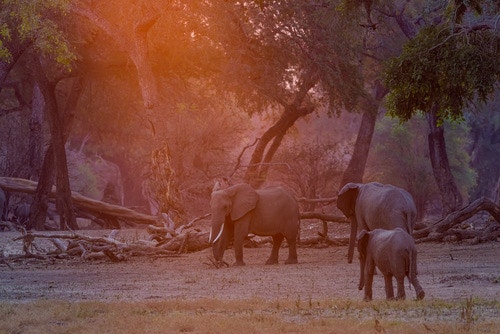 Zimbabwe protects approximately 13% of its land area through a network of **10 national parks**, **14 safari areas**, **3 recreational parks**, and numerous other protected zones. These areas safeguard some of Africa's most pristine wilderness and exceptional wildlife populations, including the Big Five, African wild dogs, and over 680 bird species.
## Quick Comparison: Major National Parks
**Size:** 14,651 km²
**Famous For:** Largest elephant population (45,000+), Big Five
**Best Time:** May-October (dry season)
**Access:** Easy, 2hrs from Victoria Falls
**Accommodation:** Luxury lodges to budget camps
**Entry:** \$20-30 per person/day
**Size:** 2,196 km²
**Famous For:** Walking safaris, canoeing, photographic opportunities
**Best Time:** April-October
**Access:** Remote, 4x4 required
**Accommodation:** Camps and lodges (limited)
**Entry:** \$20-30 per person/day
**UNESCO World Heritage Site**
**Size:** 5,053 km²
**Famous For:** Dramatic landscapes, red elephants, remote wilderness
**Best Time:** May-October
**Access:** Remote, 4x4 essential
**Accommodation:** Limited camps
**Entry:** \$20-30 per person/day
**Part of Great Limpopo TFCA**
**Size:** 1,407 km²
**Famous For:** Lake Kariba, houseboat safaris, excellent game viewing
**Best Time:** April-November
**Access:** Boat or air charter
**Accommodation:** Houseboats, lakeside camps
**Entry:** \$20-30 per person/day
**Size:** 424 km²
**Famous For:** Granite kopjes, white rhino walks, rock art, Cecil Rhodes' grave
**Best Time:** Year-round
**Access:** Easy, 35km from Bulawayo
**Accommodation:** Lodges and camps
**Entry:** \$15-20 per person/day
**UNESCO World Heritage Site**
**Size:** 2,000 km²
**Famous For:** Rugged escarpment, wilderness, remote safari
**Best Time:** April-October
**Access:** Extremely remote, 4x4 + preparation
**Accommodation:** Basic camps (self-catering)
**Entry:** \$15-20 per person/day
## Detailed Park Profiles
### Zimbabwe's Flagship Wildlife Destination
**Location:** Northwest Zimbabwe, 2 hours south of Victoria Falls
**Size:** 14,651 km² (larger than Connecticut)
**Established:** 1928
**Landscape:**
* Kalahari woodland and grassland
* Seasonal pans (vleis) crucial for wildlife
* Flat to gently undulating terrain
* Mix of teak forests, mopane woodland, and open grassland
* Over 100 artificial waterholes maintain wildlife in dry season
**Wildlife Highlights:**
* **Elephants:** 45,000+ (one of world's largest populations)
* **Big Five:** All present, including good lion and leopard populations
* **Wild Dogs:** Regular sightings, one of Zimbabwe's best locations
* **Plains Game:** Massive herds of buffalo (30,000+), sable, roan, kudu, giraffe
* **Predators:** Lion (500+), spotted hyena, cheetah
* **Birds:** 400+ species including raptors, ground hornbills, kori bustards
**Best Time to Visit:**
* **Peak (June-October):** Dry season, animals congregate at waterholes, excellent game viewing
* **Good (April-May, November):** Shoulder season, fewer tourists, good wildlife
* **Challenging (December-March):** Wet season, animals dispersed, difficult access, but beautiful landscapes and baby animals
**Activities:**
* Game drives (day and night where permitted)
* Hide viewing at waterholes (exceptional photography)
* Walking safaris in certain areas
* Bird watching
* Photography safaris
**Accommodation:**
* Luxury: Somalisa, Little Makalolo, Linkwasha, The Hide
* Mid-Range: Hwange Safari Lodge, Sable Sands
* Budget: National Parks camps (Sinamatella, Robins, Main Camp)
* Self-catering: Available at park camps
**Access:**
* 2 hours from Victoria Falls by road
* 1 hour from Bulawayo by air to private airstrips
* Good roads to main areas (2WD possible in dry season)
* 4x4 recommended for remote areas
**Entry Fees:** \$20-30 per person per day (international visitors)
**Park Contact:** ZimParks Hwange
**For more details:** See our [Hwange National Park destination guide](/destinations/hwange-national-park)
### UNESCO World Heritage Site & Walking Safari Paradise
**Location:** Northern Zimbabwe, on Zambezi River border with Zambia
**Size:** 2,196 km²
**Established:** 1963
**UNESCO Status:** 1984 (World Heritage Site)
**Landscape:**
* Zambezi River floodplain
* Ancient river channels and pools
* Open floodplains backed by mopane woodland
* Iconic albida trees along riverine areas
* Dramatic escarpment backdrop
* Pristine wilderness with minimal infrastructure
**Wildlife Highlights:**
* **Elephants:** Large bulls with massive tusks, often standing on hind legs to reach albida pods
* **Big Five:** All except rhino (recently reintroduced to IPZ)
* **Predators:** Lion, leopard, spotted hyena, wild dogs
* **Unique Behavior:** Tree-climbing lions, elephant social interactions
* **Hippo & Crocs:** Abundant in Zambezi and pools
* **Birds:** 450+ species, including carmine bee-eater colonies (Sep-Nov)
**Best Time to Visit:**
* **Prime (April-October):** Dry season, excellent game along river
* **Peak Wildlife (August-October):** Most concentrated game, low water
* **Birding (September-November):** Carmine bee-eater colonies
* **Closed:** Parks usually closes late November-April/May (wet season, roads impassable)
**Activities:**
* **Walking safaris:** Mana Pools' specialty (one of few parks allowing independent walking)
* **Canoeing:** Multi-day Zambezi canoe safaris (April-November)
* **Game drives:** Excellent, especially in dry season
* **Photographic safaris:** World-class opportunities
* **Fishing:** Tiger fish in Zambezi (August-November)
**Accommodation:**
* **Luxury:** Ruckomechi, Kanga Camp, John's Camp
* **Mid-Range:** Vundu Camp
* **Budget/Self-Catering:** National Parks campsites (Nyamepi, etc.)
* **Mobile Safaris:** Various operators run walking/camping expeditions
* **Important:** Book well in advance (limited capacity)
**Access:**
* Remote: 4x4 essential
* 6-8 hours from Harare via Makuti
* Air charter to Mana West or airstrips
* Roads can be challenging even in dry season
* River crossings may be required
**Entry Fees:** \$20-30 per person per day (international visitors)
**Special Notes:**
* Wilderness area - limited facilities
* Self-sufficiency required for camping
* Extreme temperatures (40°C+ in October)
* Bring all supplies from Harare or Kariba
* No fences - wildlife roams freely through camps
**Conservation:** Part of Lower Zambezi-Mana Pools Transfrontier Conservation Area
**For more details:** See our [Mana Pools destination guide](/destinations/mana-pools)
### The Great Limpopo Transfrontier Park
**Location:** Southeast Zimbabwe, border with Mozambique
**Size:** 5,053 km²
**Established:** 1975
**Name Meaning:** "Place of Elephants" (Shona)
**Landscape:**
* Dramatic red sandstone Chilojo Cliffs
* Baobab-studded plains
* Save and Runde rivers with riverine forest
* Mopane and acacia woodland
* Rocky outcrops and gorges
* More rugged and dramatic than other parks
**Wildlife Highlights:**
* **Elephants:** 11,000+ "red elephants" (dust-colored from local soil)
* **Big Five:** Present (including small black rhino population)
* **Wild Dogs:** Strong population
* **Rare Species:** Roan antelope, Lichtenstein's hartebeest, nyala
* **Birds:** 400+ species including Pel's fishing owl, Bradfield's hornbill
* **Unique:** One of Africa's most pristine wilderness areas
**Best Time to Visit:**
* **Prime (May-October):** Dry season, accessible, game concentrated at rivers
* **Spectacular (September-October):** Peak wildlife, dramatic landscapes
* **Challenging (November-April):** Wet season, difficult access, but lush and green
**Activities:**
* Game drives (vast road network)
* Walking safaris in certain areas
* Fishing (Save River)
* Chilojo Cliffs viewing
* Bird watching
* Rock art sites
* Visiting research stations
**Accommodation:**
* **Luxury:** Singita Pamushana (outside park), Chilo Gorge Safari Lodge
* **Mid-Range:** Few options
* **Budget:** National Parks camps (Chipinda Pools, Mabalauta, Swimuwini)
* **Self-Catering:** Available at camps
* **Camping:** Basic campsites
**Access:**
* Remote: 450km from Harare, 200km from Masvingo
* 4x4 essential year-round
* Multiple entrance gates
* Air charter to Chipinda or Buffalo Range airstrips
* Very limited services nearby
**Entry Fees:** \$20-30 per person per day (international visitors)
**Conservation:**
* Part of Great Limpopo Transfrontier Conservation Area (includes Kruger NP and Limpopo NP)
* Allows wildlife to migrate across international borders
* Gonarezhou Conservation Trust manages with ZimParks
**Special Notes:**
* Most remote and least visited major park
* True wilderness experience
* Self-sufficiency essential
* Limited fuel and supplies
* Extreme heat (35-45°C in summer)
**For more details:** See our [Gonarezhou destination guide](/destinations/gonarezhou)
### Lake Kariba's Wildlife Paradise
**Location:** Northern Zimbabwe, on southern shore of Lake Kariba
**Size:** 1,407 km²
**Established:** 1975 (after Lake Kariba filled)
**Landscape:**
* Lake Kariba shoreline (dramatic seasonal fluctuations)
* Drowned forest and petrified trees
* Brachystegia and mopane woodland
* Dramatic Matusadona mountain range backdrop
* Sanyati Gorge (stunning)
* Mix of rugged hills and lake plains
**Wildlife Highlights:**
* **Elephants:** Large population utilizing lake resources
* **Big Five:** All present
* **Lion:** Strong pride dynamics studied by researchers
* **Buffalo:** Large herds along shoreline
* **Hippo & Crocodiles:** Abundant in lake and bays
* **Water-Associated Game:** Waterbuck common
* **Birds:** 240+ species, exceptional for fish eagles and waterbirds
**Best Time to Visit:**
* **Prime (April-November):** Dry season, game along shoreline
* **Peak (September-October):** Most concentrated wildlife
* **Wet Season (December-March):** Animals disperse, but lush; fishing excellent
* **Accessible year-round** (boat access)
**Activities:**
* **Houseboat safaris:** Unique to this park
* **Boat-based game viewing:** Approach wildlife from water
* **Fishing:** World-class tiger fishing
* **Game drives:** Along shoreline and inland
* **Walking safaris:** With professional guides
* **Birdwatching from boats**
* **Sunset cruises**
**Accommodation:**
* **Houseboat Charters:** Premier experience (self-catering or crewed)
* **Luxury Lodges:** Spurwing Island, Bumi Hills Safari Lodge
* **Mid-Range:** Rhino Safari Camp, Musango Safari Camp
* **Budget:** Limited options
* **National Parks:** Basic facilities at Tashinga
**Access:**
* **No road access** to most lodges
* Boat transfer from Kariba town (1-3 hours)
* Air charter to private airstrips
* 4x4 access to Tashinga possible but challenging
**Entry Fees:** \$20-30 per person per day (international visitors)
**Unique Features:**
* Only major park with water-based primary access
* Houseboat safaris distinctive to Zimbabwe
* Combines lake recreation with wilderness safari
* Excellent for families (safe water activities)
**Conservation:**
* Intensive Protection Zone for black rhino
* Research station studying lion dynamics
* Matusadona Anti-Poaching Project (MAPP)
**Special Notes:**
* Lake levels fluctuate dramatically (affects access and scenery)
* Combine with Victoria Falls and Hwange for complete safari
* Excellent for photography from boats
**For more details:** See our [Matusadona destination guide](/destinations/matusadona-national-park)
### Ancient Granite Wonderland & Rhino Sanctuary
**Location:** Southwest Zimbabwe, 35km south of Bulawayo
**Size:** 424 km²
**Established:** 1926 (oldest park in Zimbabwe)
**UNESCO Status:** 2003 (World Heritage Site - cultural and natural)
**Landscape:**
* Spectacular granite kopjes (inselbergs)
* Unique balancing rock formations
* Deep valleys and hidden caves
* Ancient rock art sites (2,000+ years old)
* Mix of woodland and grassland
* Dramatic, otherworldly landscapes
**Wildlife Highlights:**
* **White Rhino:** Successful breeding population (rhino walks available)
* **Black Rhino:** Small population in Intensive Protection Zone
* **Leopard:** Excellent population in rocky terrain
* **Black Eagle (Verreaux's Eagle):** Highest breeding density globally
* **Other:** Sable antelope, kudu, zebra, giraffe, wildebeest
* **Birds:** 300+ species, excellent raptor viewing
**Best Time to Visit:**
* **Year-round destination**
* **Dry Season (May-October):** Best wildlife viewing, comfortable temperatures
* **Wet Season (November-April):** Lush landscapes, wildflowers, baby animals
* **Rock Art:** Best lighting in morning
**Activities:**
* **Rhino tracking walks:** Close encounters with white rhinos
* **Game drives**
* **Rock art tours:** Visit ancient San paintings
* **Historical sites:** Cecil Rhodes' grave (World's View), Leander Starr Jameson grave
* **Hiking and walking trails**
* **Rock climbing (with permits)**
* **Bird watching (especially raptors)**
* **Photography:** Unique landscapes
**Accommodation:**
* **Luxury/Mid-Range:** Big Cave Camp, Amalinda Lodge, Camp Amalinda
* **Budget:** National Parks lodges and cottages
* **Self-Catering:** Maleme Rest Camp
* **Camping:** Maleme Dam campsite
* **Day Trips:** Easily accessible from Bulawayo
**Access:**
* Easy: 35km from Bulawayo (paved road to park)
* 2WD accessible to main areas
* 4x4 for some remote sections
* Well-marked roads within park
* Can be visited as day trip
**Entry Fees:** \$15-20 per person per day (international visitors)
**Cultural Significance:**
* Sacred site for local communities
* Over 3,000 rock art sites (largest concentration in southern Africa)
* Spiritual ceremonies still conducted
* Cecil Rhodes burial site
* Historical importance during Zimbabwe's liberation struggle
**Conservation:**
* Intensive rhino monitoring and protection
* Black eagle research program
* Community conservation partnerships
**Special Notes:**
* Most accessible national park for day visits
* Combines wildlife, culture, history, and dramatic scenery
* Excellent for families
* Rhino walks must be booked in advance
**For more details:** See our [Matobo Hills destination guide](/destinations/matobo-hills)
### Chizarira National Park
**Size:** 2,000 km²
**Location:** Northern escarpment above Zambezi Valley
**Features:** Remote wilderness, dramatic escarpment views, challenging access
**Wildlife:** Elephant, buffalo, lion, leopard, wild dogs (rare sightings)
**Best For:** Adventurous, self-sufficient travelers seeking extreme wilderness
**Access:** 4x4 essential, very remote, minimal facilities
***
### Zambezi National Park
**Size:** 56 km²
**Location:** Immediately upstream from Victoria Falls
**Features:** Zambezi River frontage, riverine wildlife, sunset cruises
**Wildlife:** Elephant, buffalo, hippo, crocs, numerous plains game
**Best For:** Easy game viewing combined with Victoria Falls visit
**Access:** Easy from Victoria Falls town, 2WD acceptable
**Activities:** Game drives, river cruises, fishing
***
### Chimanimani National Park
**Size:** 171 km²
**Location:** Eastern Highlands on Mozambique border
**Features:** Mountain wilderness, hiking trails, endemic flora
**Wildlife:** Small mammals, primates, leopard (rare), exceptional birds
**Best For:** Hikers, botanists, mountain scenery lovers
**Access:** 4x4 to base, then hiking only
**Activities:** Multi-day hiking, rock pools, waterfalls
***
### Nyanga National Park
**Size:** 330 km²
**Location:** Eastern Highlands, highest point in Zimbabwe
**Features:** Mt. Nyangani (2,592m), trout fishing, waterfalls, ancient ruins
**Wildlife:** Reedbuck, eland, samango monkeys, endemic birds
**Best For:** Hiking, fishing, cool climate escape, scenery
**Access:** Easy from Mutare, good roads
**For more details:** See our [Nyanga destination guide](/destinations/nyanga)
***
### Victoria Falls National Park
**Size:** 23 km²
**Location:** Surrounding Victoria Falls
**Features:** Protects rainforest around Falls, Zambezi gorges
**Wildlife:** Spray forest species, raptors in gorges, occasional elephant/buffalo
**Best For:** Falls viewing, rainforest walks, unique habitat
**Access:** Walk from Victoria Falls town
**Entry Fees:** \$30-50 for Falls entry
**For more details:** See our [Victoria Falls destination guide](/destinations/victoria-falls)
## Park Fees & Permits
**International Visitors:**
* Major Parks (Hwange, Mana Pools, Gonarezhou, Matusadona): **\$20-30 per person per day**
* Smaller Parks (Matobo, Chizarira, Nyanga): **\$15-20 per person per day**
* Victoria Falls National Park: **\$30-50 per person** (includes Falls viewing)
**Regional Visitors (SADC):**
* Generally 50% of international rates
**Zimbabwe Residents:**
* Significantly reduced rates (often \$5-10 per day)
**Children:**
* Usually half price (under 12 years)
**Important Notes:**
* Fees subject to change - verify before travel
* Payment typically in USD (cash preferred, some accept card)
* Receipts valid for calendar day only
* Some lodges include park fees in rates
**Cars & Light Vehicles:**
* \$10-20 per vehicle per day (varies by park)
**Note:** Many luxury lodges include vehicle and guide; independent travelers pay vehicle fees separately.
**Walking Safaris:**
* Professional guide required in most parks
* Permits included in guided safari costs
* Mana Pools allows some independent walking (guides recommended)
**Fishing Permits:**
* Required for fishing in parks
* \$20-40 per person per day (varies)
* Seasonal restrictions apply
**Camping Fees:**
* National Parks campsites: \$15-30 per person per night
* Must be booked in advance
* Some sites are self-catering only
**Rhino Tracking (Matobo):**
* \$25-40 per person (in addition to park entry)
* Must be booked in advance
* Limited availability
**Professional Photography/Filming:**
* Special permits required for commercial work
* Fees vary significantly
* Apply well in advance through ZimParks
**What It Is:**
* Transfrontier visa covering Zimbabwe and Zambia
* Allows multiple entries to both countries
* Valid for 30 days
**Cost:** \$50 (when available)
**Status:** Sometimes suspended - check current availability
**Where to Get:**
* Victoria Falls border posts
* Livingstone border
* Some embassies
**Benefits:**
* Visit Victoria Falls from both sides
* Combine Zimbabwe and Zambia safaris
* More cost-effective than separate visas
**Current Status:** Verify availability before travel as program is periodically suspended
**For more visa information:** See our [Visa & Entry Requirements guide](/essentials/visas-and-entry)
## Park Facilities & Services
**Luxury Private Lodges:**
* All-inclusive (meals, activities, drinks, park fees)
* Professional guides and vehicles
* Exclusive wildlife viewing
* \$600-1,500+ per person per night
* Book 6-12 months in advance for peak season
**Mid-Range Lodges:**
* Guided activities included
* Comfortable accommodation
* Good guides and equipment
* \$200-600 per person per night
**National Parks Accommodation:**
* Basic lodges, chalets, and cottages
* Self-catering (bring all supplies)
* Budget-friendly (\$30-100 per person)
* Book through ZimParks website or offices
* Often fully booked in peak season
**Camping:**
* Designated campsites in most parks
* Facilities vary (some have ablutions, others very basic)
* \$15-30 per person per night
* Must bring all equipment and supplies
* No fences - wildlife passes through camps
**Mobile Safaris:**
* Operator brings temporary camp to remote areas
* Includes all equipment, meals, guides
* Authentic bush experience
* \$300-800+ per person per night
**Well-Developed Parks (Hwange, Matobo):**
* Good road networks
* Some paved roads
* Signposted routes
* Designated viewpoints
* Rest camps with basics
**Remote Parks (Mana Pools, Gonarezhou, Chizarira):**
* Limited roads (sandy, rough)
* Minimal signage
* Few facilities
* Self-sufficiency essential
* 4x4 absolutely required
**General Park Facilities:**
* Petrol/fuel: NOT available in parks (fill up before entry)
* Supplies: NOT available (bring everything)
* Water: Some camps have boreholes, many don't - bring extra
* Emergency services: Very limited - satellite phone recommended
* Cell coverage: Minimal to none in most parks
* Workshops/repairs: Not available
**What to Bring:**
* All food and water
* Fuel (plus reserve)
* Spare tire(s)
* Basic tools
* First aid kit
* Maps/GPS
* Fire-starting equipment
* Flashlights/headlamps
* All camping equipment if self-catering
**Speed Limits:**
* Generally 40 km/h (25 mph) on park roads
* Slower near camps and known wildlife areas
* Excessive speed damages roads and disturbs wildlife
**Hours:**
* Most parks: Gates open sunrise (5:30-6:30 AM)
* Gates close sunset (5:30-6:30 PM)
* Must be in accommodation by sunset
* Night drives only with authorized guides in certain parks
**Wildlife Interaction:**
* Stay in vehicle except at designated areas
* Maintain safe distances (see wildlife guide)
* No feeding animals (serious offense)
* No off-road driving
* Give animals right of way
* No loud noises
**Environmental:**
* No littering (take all trash with you)
* Stay on designated roads
* No picking plants or flowers
* No fires except in designated areas
* Use biodegradable soaps
* Bury human waste away from water
**Safety:**
* Carry sufficient water (4+ liters per person per day)
* Tell someone your plans
* Have emergency communication
* Know location of nearest help
* Carry comprehensive first aid
**Prohibited:**
* Firearms (unless specifically authorized)
* Pets
* Drones (without special permits)
* Off-road driving
* Noise pollution
* Approaching wildlife
## Safari Areas & Hunting Concessions
**Safari Areas:**
Zimbabwe has 14 designated Safari Areas surrounding national parks where controlled hunting and photographic safaris occur:
**Purpose:**
* Buffer zones between parks and communal lands
* Controlled hunting generates conservation revenue
* Protects corridors for wildlife movement
* Reduces human-wildlife conflict
**Photographic Safaris:**
* Many safari areas also host non-hunting lodges
* Often less crowded than national parks
* Can offer excellent wildlife viewing
* Private concessions with exclusive access
**Hunting:**
* Strictly regulated by ZimParks
* Quotas based on scientific population management
* Controversial but significant conservation funding source
* Professional hunters must be licensed
* CITES regulations strictly enforced
**Examples:**
* Chewore, Dande, Sapi Safari Areas (near Mana Pools)
* Deka Safari Area (near Hwange)
* Sengwe Corridor (connecting Gonarezhou to South Africa)
## Transfrontier Conservation Areas
**Kavango-Zambezi Transfrontier Conservation Area**
**Size:** 520,000 km² (world's largest conservation area)
**Countries:** Angola, Botswana, Namibia, Zambia, Zimbabwe
**Zimbabwe Parks Included:**
* Hwange National Park
* Victoria Falls National Park
* Zambezi National Park
* Matetsi Safari Area
* Panda-Masuie Forest Reserves
**Vision:**
* Allow wildlife migration across borders
* Connect ecosystems
* Benefit local communities
* Support regional tourism
**Status:** Developing - fences being removed, corridors established
**Great Limpopo Transfrontier Conservation Area**
**Size:** 35,000 km²
**Countries:** Mozambique, South Africa, Zimbabwe
**Zimbabwe Component:**
* Gonarezhou National Park
* Malipati Safari Area
* Sengwe Corridor
**Connected to:**
* Kruger National Park (South Africa)
* Limpopo National Park (Mozambique)
**Benefits:**
* Elephant migration routes restored
* Genetic diversity maintained
* Reduced human-wildlife conflict
* Regional tourism development
**Status:** Operational - wildlife movement established
## CAMPFIRE Program
**Communal Areas Management Programme for Indigenous Resources**
**Concept:**
* Communities living near wildlife areas benefit from conservation
* Revenue from safari tourism and controlled hunting goes to communities
* Incentivizes conservation over poaching or habitat conversion
* Communities become stewards of wildlife
**How It Works:**
* Rural districts manage wildlife on communal lands
* Lease hunting quotas and photographic safari rights
* Revenue funds community projects (schools, clinics, infrastructure)
* Employs local people as guides, scouts, and in tourism
* Compensation for crop damage and livestock loss
**Success:**
* Pioneering model copied globally
* Wildlife populations increased in CAMPFIRE areas
* Reduced poaching in participating communities
* Generated millions in community revenue
**Challenges:**
* Revenue distribution sometimes unequal
* Human-wildlife conflict remains issue
* Administrative capacity varies
* Economic fluctuations affect hunting revenue
**Tourist Impact:**
* Staying at community-run lodges supports CAMPFIRE
* Safari fees in communal areas benefit locals
* Demonstrates conservation's value to communities
## Planning Your Park Visit
Consider:
* Time available
* Budget
* Wildlife priorities
* Comfort level (luxury vs. camping)
* Accessibility needs
* Season/timing
* Combination options
* Luxury lodges: 6-12 months advance for peak season
* National Parks camps: Book via ZimParks website as early as possible
* Confirm all details in writing
* Verify what's included (meals, activities, park fees)
* Self-drive: 4x4 essential for remote parks
* Fly-in safaris: Air charter to private airstrips
* Transfer services: Many lodges arrange transfers
* Verify road conditions before departure
* Verify park entry fees and payment methods
* Pack appropriate clothing (neutral colors)
* Bring binoculars and camera
* Carry field guides
* Ensure sufficient supplies for self-catering
* Download offline maps
* Valid passport (6+ months validity)
* Zimbabwe visa (if required)
* Park reservations confirmed
* Travel insurance (including medical evacuation)
* Vaccinations current (Yellow Fever certificate if arriving from endemic area)
* Follow park rules strictly
* Respect wildlife and habitats
* Support conservation through responsible tourism
* Leave no trace
* Share your positive experiences to support conservation
## Booking & Contact Information
**Zimbabwe Parks and Wildlife Management Authority (ZimParks):**
* **Website:** [www.zimparks.zw](http://www.zimparks.zw)
* **Central Reservations:** [reservations@zimparks.org.zw](mailto:reservations@zimparks.org.zw)
* **Phone:** +263-4-706077/8
* **Head Office:** Borrowdale, Harare
**For Detailed Safari Planning:**
See our comprehensive [Safari Planning Guide](/planning/safari-planning) for:
* Choosing the right safari type
* Booking strategies
* What to expect
* Packing lists
* Photography tips
* Safety information
**For Individual Park Details:**
Visit our destination guides:
* [Hwange National Park](/destinations/hwange-national-park)
* [Mana Pools National Park](/destinations/mana-pools)
* [Gonarezhou National Park](/destinations/gonarezhou)
* [Matusadona National Park](/destinations/matusadona-national-park)
* [Matobo Hills National Park](/destinations/matobo-hills)
**For Wildlife Information:**
See our [Animals and Birds guide](/wildlife/animals-and-birds)
**For Conservation:**
Learn about [Conservation Efforts](/wildlife/conservation-efforts)
***
**Planning a safari? We can help you choose the perfect park combination and arrange your ideal Zimbabwe wildlife experience!**
*Last updated: January 2025*
Zimbabwe protects approximately 13% of its land area through a network of **10 national parks**, **14 safari areas**, **3 recreational parks**, and numerous other protected zones. These areas safeguard some of Africa's most pristine wilderness and exceptional wildlife populations, including the Big Five, African wild dogs, and over 680 bird species.
## Quick Comparison: Major National Parks
**Size:** 14,651 km²
**Famous For:** Largest elephant population (45,000+), Big Five
**Best Time:** May-October (dry season)
**Access:** Easy, 2hrs from Victoria Falls
**Accommodation:** Luxury lodges to budget camps
**Entry:** \$20-30 per person/day
**Size:** 2,196 km²
**Famous For:** Walking safaris, canoeing, photographic opportunities
**Best Time:** April-October
**Access:** Remote, 4x4 required
**Accommodation:** Camps and lodges (limited)
**Entry:** \$20-30 per person/day
**UNESCO World Heritage Site**
**Size:** 5,053 km²
**Famous For:** Dramatic landscapes, red elephants, remote wilderness
**Best Time:** May-October
**Access:** Remote, 4x4 essential
**Accommodation:** Limited camps
**Entry:** \$20-30 per person/day
**Part of Great Limpopo TFCA**
**Size:** 1,407 km²
**Famous For:** Lake Kariba, houseboat safaris, excellent game viewing
**Best Time:** April-November
**Access:** Boat or air charter
**Accommodation:** Houseboats, lakeside camps
**Entry:** \$20-30 per person/day
**Size:** 424 km²
**Famous For:** Granite kopjes, white rhino walks, rock art, Cecil Rhodes' grave
**Best Time:** Year-round
**Access:** Easy, 35km from Bulawayo
**Accommodation:** Lodges and camps
**Entry:** \$15-20 per person/day
**UNESCO World Heritage Site**
**Size:** 2,000 km²
**Famous For:** Rugged escarpment, wilderness, remote safari
**Best Time:** April-October
**Access:** Extremely remote, 4x4 + preparation
**Accommodation:** Basic camps (self-catering)
**Entry:** \$15-20 per person/day
## Detailed Park Profiles
### Zimbabwe's Flagship Wildlife Destination
**Location:** Northwest Zimbabwe, 2 hours south of Victoria Falls
**Size:** 14,651 km² (larger than Connecticut)
**Established:** 1928
**Landscape:**
* Kalahari woodland and grassland
* Seasonal pans (vleis) crucial for wildlife
* Flat to gently undulating terrain
* Mix of teak forests, mopane woodland, and open grassland
* Over 100 artificial waterholes maintain wildlife in dry season
**Wildlife Highlights:**
* **Elephants:** 45,000+ (one of world's largest populations)
* **Big Five:** All present, including good lion and leopard populations
* **Wild Dogs:** Regular sightings, one of Zimbabwe's best locations
* **Plains Game:** Massive herds of buffalo (30,000+), sable, roan, kudu, giraffe
* **Predators:** Lion (500+), spotted hyena, cheetah
* **Birds:** 400+ species including raptors, ground hornbills, kori bustards
**Best Time to Visit:**
* **Peak (June-October):** Dry season, animals congregate at waterholes, excellent game viewing
* **Good (April-May, November):** Shoulder season, fewer tourists, good wildlife
* **Challenging (December-March):** Wet season, animals dispersed, difficult access, but beautiful landscapes and baby animals
**Activities:**
* Game drives (day and night where permitted)
* Hide viewing at waterholes (exceptional photography)
* Walking safaris in certain areas
* Bird watching
* Photography safaris
**Accommodation:**
* Luxury: Somalisa, Little Makalolo, Linkwasha, The Hide
* Mid-Range: Hwange Safari Lodge, Sable Sands
* Budget: National Parks camps (Sinamatella, Robins, Main Camp)
* Self-catering: Available at park camps
**Access:**
* 2 hours from Victoria Falls by road
* 1 hour from Bulawayo by air to private airstrips
* Good roads to main areas (2WD possible in dry season)
* 4x4 recommended for remote areas
**Entry Fees:** \$20-30 per person per day (international visitors)
**Park Contact:** ZimParks Hwange
**For more details:** See our [Hwange National Park destination guide](/destinations/hwange-national-park)
### UNESCO World Heritage Site & Walking Safari Paradise
**Location:** Northern Zimbabwe, on Zambezi River border with Zambia
**Size:** 2,196 km²
**Established:** 1963
**UNESCO Status:** 1984 (World Heritage Site)
**Landscape:**
* Zambezi River floodplain
* Ancient river channels and pools
* Open floodplains backed by mopane woodland
* Iconic albida trees along riverine areas
* Dramatic escarpment backdrop
* Pristine wilderness with minimal infrastructure
**Wildlife Highlights:**
* **Elephants:** Large bulls with massive tusks, often standing on hind legs to reach albida pods
* **Big Five:** All except rhino (recently reintroduced to IPZ)
* **Predators:** Lion, leopard, spotted hyena, wild dogs
* **Unique Behavior:** Tree-climbing lions, elephant social interactions
* **Hippo & Crocs:** Abundant in Zambezi and pools
* **Birds:** 450+ species, including carmine bee-eater colonies (Sep-Nov)
**Best Time to Visit:**
* **Prime (April-October):** Dry season, excellent game along river
* **Peak Wildlife (August-October):** Most concentrated game, low water
* **Birding (September-November):** Carmine bee-eater colonies
* **Closed:** Parks usually closes late November-April/May (wet season, roads impassable)
**Activities:**
* **Walking safaris:** Mana Pools' specialty (one of few parks allowing independent walking)
* **Canoeing:** Multi-day Zambezi canoe safaris (April-November)
* **Game drives:** Excellent, especially in dry season
* **Photographic safaris:** World-class opportunities
* **Fishing:** Tiger fish in Zambezi (August-November)
**Accommodation:**
* **Luxury:** Ruckomechi, Kanga Camp, John's Camp
* **Mid-Range:** Vundu Camp
* **Budget/Self-Catering:** National Parks campsites (Nyamepi, etc.)
* **Mobile Safaris:** Various operators run walking/camping expeditions
* **Important:** Book well in advance (limited capacity)
**Access:**
* Remote: 4x4 essential
* 6-8 hours from Harare via Makuti
* Air charter to Mana West or airstrips
* Roads can be challenging even in dry season
* River crossings may be required
**Entry Fees:** \$20-30 per person per day (international visitors)
**Special Notes:**
* Wilderness area - limited facilities
* Self-sufficiency required for camping
* Extreme temperatures (40°C+ in October)
* Bring all supplies from Harare or Kariba
* No fences - wildlife roams freely through camps
**Conservation:** Part of Lower Zambezi-Mana Pools Transfrontier Conservation Area
**For more details:** See our [Mana Pools destination guide](/destinations/mana-pools)
### The Great Limpopo Transfrontier Park
**Location:** Southeast Zimbabwe, border with Mozambique
**Size:** 5,053 km²
**Established:** 1975
**Name Meaning:** "Place of Elephants" (Shona)
**Landscape:**
* Dramatic red sandstone Chilojo Cliffs
* Baobab-studded plains
* Save and Runde rivers with riverine forest
* Mopane and acacia woodland
* Rocky outcrops and gorges
* More rugged and dramatic than other parks
**Wildlife Highlights:**
* **Elephants:** 11,000+ "red elephants" (dust-colored from local soil)
* **Big Five:** Present (including small black rhino population)
* **Wild Dogs:** Strong population
* **Rare Species:** Roan antelope, Lichtenstein's hartebeest, nyala
* **Birds:** 400+ species including Pel's fishing owl, Bradfield's hornbill
* **Unique:** One of Africa's most pristine wilderness areas
**Best Time to Visit:**
* **Prime (May-October):** Dry season, accessible, game concentrated at rivers
* **Spectacular (September-October):** Peak wildlife, dramatic landscapes
* **Challenging (November-April):** Wet season, difficult access, but lush and green
**Activities:**
* Game drives (vast road network)
* Walking safaris in certain areas
* Fishing (Save River)
* Chilojo Cliffs viewing
* Bird watching
* Rock art sites
* Visiting research stations
**Accommodation:**
* **Luxury:** Singita Pamushana (outside park), Chilo Gorge Safari Lodge
* **Mid-Range:** Few options
* **Budget:** National Parks camps (Chipinda Pools, Mabalauta, Swimuwini)
* **Self-Catering:** Available at camps
* **Camping:** Basic campsites
**Access:**
* Remote: 450km from Harare, 200km from Masvingo
* 4x4 essential year-round
* Multiple entrance gates
* Air charter to Chipinda or Buffalo Range airstrips
* Very limited services nearby
**Entry Fees:** \$20-30 per person per day (international visitors)
**Conservation:**
* Part of Great Limpopo Transfrontier Conservation Area (includes Kruger NP and Limpopo NP)
* Allows wildlife to migrate across international borders
* Gonarezhou Conservation Trust manages with ZimParks
**Special Notes:**
* Most remote and least visited major park
* True wilderness experience
* Self-sufficiency essential
* Limited fuel and supplies
* Extreme heat (35-45°C in summer)
**For more details:** See our [Gonarezhou destination guide](/destinations/gonarezhou)
### Lake Kariba's Wildlife Paradise
**Location:** Northern Zimbabwe, on southern shore of Lake Kariba
**Size:** 1,407 km²
**Established:** 1975 (after Lake Kariba filled)
**Landscape:**
* Lake Kariba shoreline (dramatic seasonal fluctuations)
* Drowned forest and petrified trees
* Brachystegia and mopane woodland
* Dramatic Matusadona mountain range backdrop
* Sanyati Gorge (stunning)
* Mix of rugged hills and lake plains
**Wildlife Highlights:**
* **Elephants:** Large population utilizing lake resources
* **Big Five:** All present
* **Lion:** Strong pride dynamics studied by researchers
* **Buffalo:** Large herds along shoreline
* **Hippo & Crocodiles:** Abundant in lake and bays
* **Water-Associated Game:** Waterbuck common
* **Birds:** 240+ species, exceptional for fish eagles and waterbirds
**Best Time to Visit:**
* **Prime (April-November):** Dry season, game along shoreline
* **Peak (September-October):** Most concentrated wildlife
* **Wet Season (December-March):** Animals disperse, but lush; fishing excellent
* **Accessible year-round** (boat access)
**Activities:**
* **Houseboat safaris:** Unique to this park
* **Boat-based game viewing:** Approach wildlife from water
* **Fishing:** World-class tiger fishing
* **Game drives:** Along shoreline and inland
* **Walking safaris:** With professional guides
* **Birdwatching from boats**
* **Sunset cruises**
**Accommodation:**
* **Houseboat Charters:** Premier experience (self-catering or crewed)
* **Luxury Lodges:** Spurwing Island, Bumi Hills Safari Lodge
* **Mid-Range:** Rhino Safari Camp, Musango Safari Camp
* **Budget:** Limited options
* **National Parks:** Basic facilities at Tashinga
**Access:**
* **No road access** to most lodges
* Boat transfer from Kariba town (1-3 hours)
* Air charter to private airstrips
* 4x4 access to Tashinga possible but challenging
**Entry Fees:** \$20-30 per person per day (international visitors)
**Unique Features:**
* Only major park with water-based primary access
* Houseboat safaris distinctive to Zimbabwe
* Combines lake recreation with wilderness safari
* Excellent for families (safe water activities)
**Conservation:**
* Intensive Protection Zone for black rhino
* Research station studying lion dynamics
* Matusadona Anti-Poaching Project (MAPP)
**Special Notes:**
* Lake levels fluctuate dramatically (affects access and scenery)
* Combine with Victoria Falls and Hwange for complete safari
* Excellent for photography from boats
**For more details:** See our [Matusadona destination guide](/destinations/matusadona-national-park)
### Ancient Granite Wonderland & Rhino Sanctuary
**Location:** Southwest Zimbabwe, 35km south of Bulawayo
**Size:** 424 km²
**Established:** 1926 (oldest park in Zimbabwe)
**UNESCO Status:** 2003 (World Heritage Site - cultural and natural)
**Landscape:**
* Spectacular granite kopjes (inselbergs)
* Unique balancing rock formations
* Deep valleys and hidden caves
* Ancient rock art sites (2,000+ years old)
* Mix of woodland and grassland
* Dramatic, otherworldly landscapes
**Wildlife Highlights:**
* **White Rhino:** Successful breeding population (rhino walks available)
* **Black Rhino:** Small population in Intensive Protection Zone
* **Leopard:** Excellent population in rocky terrain
* **Black Eagle (Verreaux's Eagle):** Highest breeding density globally
* **Other:** Sable antelope, kudu, zebra, giraffe, wildebeest
* **Birds:** 300+ species, excellent raptor viewing
**Best Time to Visit:**
* **Year-round destination**
* **Dry Season (May-October):** Best wildlife viewing, comfortable temperatures
* **Wet Season (November-April):** Lush landscapes, wildflowers, baby animals
* **Rock Art:** Best lighting in morning
**Activities:**
* **Rhino tracking walks:** Close encounters with white rhinos
* **Game drives**
* **Rock art tours:** Visit ancient San paintings
* **Historical sites:** Cecil Rhodes' grave (World's View), Leander Starr Jameson grave
* **Hiking and walking trails**
* **Rock climbing (with permits)**
* **Bird watching (especially raptors)**
* **Photography:** Unique landscapes
**Accommodation:**
* **Luxury/Mid-Range:** Big Cave Camp, Amalinda Lodge, Camp Amalinda
* **Budget:** National Parks lodges and cottages
* **Self-Catering:** Maleme Rest Camp
* **Camping:** Maleme Dam campsite
* **Day Trips:** Easily accessible from Bulawayo
**Access:**
* Easy: 35km from Bulawayo (paved road to park)
* 2WD accessible to main areas
* 4x4 for some remote sections
* Well-marked roads within park
* Can be visited as day trip
**Entry Fees:** \$15-20 per person per day (international visitors)
**Cultural Significance:**
* Sacred site for local communities
* Over 3,000 rock art sites (largest concentration in southern Africa)
* Spiritual ceremonies still conducted
* Cecil Rhodes burial site
* Historical importance during Zimbabwe's liberation struggle
**Conservation:**
* Intensive rhino monitoring and protection
* Black eagle research program
* Community conservation partnerships
**Special Notes:**
* Most accessible national park for day visits
* Combines wildlife, culture, history, and dramatic scenery
* Excellent for families
* Rhino walks must be booked in advance
**For more details:** See our [Matobo Hills destination guide](/destinations/matobo-hills)
### Chizarira National Park
**Size:** 2,000 km²
**Location:** Northern escarpment above Zambezi Valley
**Features:** Remote wilderness, dramatic escarpment views, challenging access
**Wildlife:** Elephant, buffalo, lion, leopard, wild dogs (rare sightings)
**Best For:** Adventurous, self-sufficient travelers seeking extreme wilderness
**Access:** 4x4 essential, very remote, minimal facilities
***
### Zambezi National Park
**Size:** 56 km²
**Location:** Immediately upstream from Victoria Falls
**Features:** Zambezi River frontage, riverine wildlife, sunset cruises
**Wildlife:** Elephant, buffalo, hippo, crocs, numerous plains game
**Best For:** Easy game viewing combined with Victoria Falls visit
**Access:** Easy from Victoria Falls town, 2WD acceptable
**Activities:** Game drives, river cruises, fishing
***
### Chimanimani National Park
**Size:** 171 km²
**Location:** Eastern Highlands on Mozambique border
**Features:** Mountain wilderness, hiking trails, endemic flora
**Wildlife:** Small mammals, primates, leopard (rare), exceptional birds
**Best For:** Hikers, botanists, mountain scenery lovers
**Access:** 4x4 to base, then hiking only
**Activities:** Multi-day hiking, rock pools, waterfalls
***
### Nyanga National Park
**Size:** 330 km²
**Location:** Eastern Highlands, highest point in Zimbabwe
**Features:** Mt. Nyangani (2,592m), trout fishing, waterfalls, ancient ruins
**Wildlife:** Reedbuck, eland, samango monkeys, endemic birds
**Best For:** Hiking, fishing, cool climate escape, scenery
**Access:** Easy from Mutare, good roads
**For more details:** See our [Nyanga destination guide](/destinations/nyanga)
***
### Victoria Falls National Park
**Size:** 23 km²
**Location:** Surrounding Victoria Falls
**Features:** Protects rainforest around Falls, Zambezi gorges
**Wildlife:** Spray forest species, raptors in gorges, occasional elephant/buffalo
**Best For:** Falls viewing, rainforest walks, unique habitat
**Access:** Walk from Victoria Falls town
**Entry Fees:** \$30-50 for Falls entry
**For more details:** See our [Victoria Falls destination guide](/destinations/victoria-falls)
## Park Fees & Permits
**International Visitors:**
* Major Parks (Hwange, Mana Pools, Gonarezhou, Matusadona): **\$20-30 per person per day**
* Smaller Parks (Matobo, Chizarira, Nyanga): **\$15-20 per person per day**
* Victoria Falls National Park: **\$30-50 per person** (includes Falls viewing)
**Regional Visitors (SADC):**
* Generally 50% of international rates
**Zimbabwe Residents:**
* Significantly reduced rates (often \$5-10 per day)
**Children:**
* Usually half price (under 12 years)
**Important Notes:**
* Fees subject to change - verify before travel
* Payment typically in USD (cash preferred, some accept card)
* Receipts valid for calendar day only
* Some lodges include park fees in rates
**Cars & Light Vehicles:**
* \$10-20 per vehicle per day (varies by park)
**Note:** Many luxury lodges include vehicle and guide; independent travelers pay vehicle fees separately.
**Walking Safaris:**
* Professional guide required in most parks
* Permits included in guided safari costs
* Mana Pools allows some independent walking (guides recommended)
**Fishing Permits:**
* Required for fishing in parks
* \$20-40 per person per day (varies)
* Seasonal restrictions apply
**Camping Fees:**
* National Parks campsites: \$15-30 per person per night
* Must be booked in advance
* Some sites are self-catering only
**Rhino Tracking (Matobo):**
* \$25-40 per person (in addition to park entry)
* Must be booked in advance
* Limited availability
**Professional Photography/Filming:**
* Special permits required for commercial work
* Fees vary significantly
* Apply well in advance through ZimParks
**What It Is:**
* Transfrontier visa covering Zimbabwe and Zambia
* Allows multiple entries to both countries
* Valid for 30 days
**Cost:** \$50 (when available)
**Status:** Sometimes suspended - check current availability
**Where to Get:**
* Victoria Falls border posts
* Livingstone border
* Some embassies
**Benefits:**
* Visit Victoria Falls from both sides
* Combine Zimbabwe and Zambia safaris
* More cost-effective than separate visas
**Current Status:** Verify availability before travel as program is periodically suspended
**For more visa information:** See our [Visa & Entry Requirements guide](/essentials/visas-and-entry)
## Park Facilities & Services
**Luxury Private Lodges:**
* All-inclusive (meals, activities, drinks, park fees)
* Professional guides and vehicles
* Exclusive wildlife viewing
* \$600-1,500+ per person per night
* Book 6-12 months in advance for peak season
**Mid-Range Lodges:**
* Guided activities included
* Comfortable accommodation
* Good guides and equipment
* \$200-600 per person per night
**National Parks Accommodation:**
* Basic lodges, chalets, and cottages
* Self-catering (bring all supplies)
* Budget-friendly (\$30-100 per person)
* Book through ZimParks website or offices
* Often fully booked in peak season
**Camping:**
* Designated campsites in most parks
* Facilities vary (some have ablutions, others very basic)
* \$15-30 per person per night
* Must bring all equipment and supplies
* No fences - wildlife passes through camps
**Mobile Safaris:**
* Operator brings temporary camp to remote areas
* Includes all equipment, meals, guides
* Authentic bush experience
* \$300-800+ per person per night
**Well-Developed Parks (Hwange, Matobo):**
* Good road networks
* Some paved roads
* Signposted routes
* Designated viewpoints
* Rest camps with basics
**Remote Parks (Mana Pools, Gonarezhou, Chizarira):**
* Limited roads (sandy, rough)
* Minimal signage
* Few facilities
* Self-sufficiency essential
* 4x4 absolutely required
**General Park Facilities:**
* Petrol/fuel: NOT available in parks (fill up before entry)
* Supplies: NOT available (bring everything)
* Water: Some camps have boreholes, many don't - bring extra
* Emergency services: Very limited - satellite phone recommended
* Cell coverage: Minimal to none in most parks
* Workshops/repairs: Not available
**What to Bring:**
* All food and water
* Fuel (plus reserve)
* Spare tire(s)
* Basic tools
* First aid kit
* Maps/GPS
* Fire-starting equipment
* Flashlights/headlamps
* All camping equipment if self-catering
**Speed Limits:**
* Generally 40 km/h (25 mph) on park roads
* Slower near camps and known wildlife areas
* Excessive speed damages roads and disturbs wildlife
**Hours:**
* Most parks: Gates open sunrise (5:30-6:30 AM)
* Gates close sunset (5:30-6:30 PM)
* Must be in accommodation by sunset
* Night drives only with authorized guides in certain parks
**Wildlife Interaction:**
* Stay in vehicle except at designated areas
* Maintain safe distances (see wildlife guide)
* No feeding animals (serious offense)
* No off-road driving
* Give animals right of way
* No loud noises
**Environmental:**
* No littering (take all trash with you)
* Stay on designated roads
* No picking plants or flowers
* No fires except in designated areas
* Use biodegradable soaps
* Bury human waste away from water
**Safety:**
* Carry sufficient water (4+ liters per person per day)
* Tell someone your plans
* Have emergency communication
* Know location of nearest help
* Carry comprehensive first aid
**Prohibited:**
* Firearms (unless specifically authorized)
* Pets
* Drones (without special permits)
* Off-road driving
* Noise pollution
* Approaching wildlife
## Safari Areas & Hunting Concessions
**Safari Areas:**
Zimbabwe has 14 designated Safari Areas surrounding national parks where controlled hunting and photographic safaris occur:
**Purpose:**
* Buffer zones between parks and communal lands
* Controlled hunting generates conservation revenue
* Protects corridors for wildlife movement
* Reduces human-wildlife conflict
**Photographic Safaris:**
* Many safari areas also host non-hunting lodges
* Often less crowded than national parks
* Can offer excellent wildlife viewing
* Private concessions with exclusive access
**Hunting:**
* Strictly regulated by ZimParks
* Quotas based on scientific population management
* Controversial but significant conservation funding source
* Professional hunters must be licensed
* CITES regulations strictly enforced
**Examples:**
* Chewore, Dande, Sapi Safari Areas (near Mana Pools)
* Deka Safari Area (near Hwange)
* Sengwe Corridor (connecting Gonarezhou to South Africa)
## Transfrontier Conservation Areas
**Kavango-Zambezi Transfrontier Conservation Area**
**Size:** 520,000 km² (world's largest conservation area)
**Countries:** Angola, Botswana, Namibia, Zambia, Zimbabwe
**Zimbabwe Parks Included:**
* Hwange National Park
* Victoria Falls National Park
* Zambezi National Park
* Matetsi Safari Area
* Panda-Masuie Forest Reserves
**Vision:**
* Allow wildlife migration across borders
* Connect ecosystems
* Benefit local communities
* Support regional tourism
**Status:** Developing - fences being removed, corridors established
**Great Limpopo Transfrontier Conservation Area**
**Size:** 35,000 km²
**Countries:** Mozambique, South Africa, Zimbabwe
**Zimbabwe Component:**
* Gonarezhou National Park
* Malipati Safari Area
* Sengwe Corridor
**Connected to:**
* Kruger National Park (South Africa)
* Limpopo National Park (Mozambique)
**Benefits:**
* Elephant migration routes restored
* Genetic diversity maintained
* Reduced human-wildlife conflict
* Regional tourism development
**Status:** Operational - wildlife movement established
## CAMPFIRE Program
**Communal Areas Management Programme for Indigenous Resources**
**Concept:**
* Communities living near wildlife areas benefit from conservation
* Revenue from safari tourism and controlled hunting goes to communities
* Incentivizes conservation over poaching or habitat conversion
* Communities become stewards of wildlife
**How It Works:**
* Rural districts manage wildlife on communal lands
* Lease hunting quotas and photographic safari rights
* Revenue funds community projects (schools, clinics, infrastructure)
* Employs local people as guides, scouts, and in tourism
* Compensation for crop damage and livestock loss
**Success:**
* Pioneering model copied globally
* Wildlife populations increased in CAMPFIRE areas
* Reduced poaching in participating communities
* Generated millions in community revenue
**Challenges:**
* Revenue distribution sometimes unequal
* Human-wildlife conflict remains issue
* Administrative capacity varies
* Economic fluctuations affect hunting revenue
**Tourist Impact:**
* Staying at community-run lodges supports CAMPFIRE
* Safari fees in communal areas benefit locals
* Demonstrates conservation's value to communities
## Planning Your Park Visit
Consider:
* Time available
* Budget
* Wildlife priorities
* Comfort level (luxury vs. camping)
* Accessibility needs
* Season/timing
* Combination options
* Luxury lodges: 6-12 months advance for peak season
* National Parks camps: Book via ZimParks website as early as possible
* Confirm all details in writing
* Verify what's included (meals, activities, park fees)
* Self-drive: 4x4 essential for remote parks
* Fly-in safaris: Air charter to private airstrips
* Transfer services: Many lodges arrange transfers
* Verify road conditions before departure
* Verify park entry fees and payment methods
* Pack appropriate clothing (neutral colors)
* Bring binoculars and camera
* Carry field guides
* Ensure sufficient supplies for self-catering
* Download offline maps
* Valid passport (6+ months validity)
* Zimbabwe visa (if required)
* Park reservations confirmed
* Travel insurance (including medical evacuation)
* Vaccinations current (Yellow Fever certificate if arriving from endemic area)
* Follow park rules strictly
* Respect wildlife and habitats
* Support conservation through responsible tourism
* Leave no trace
* Share your positive experiences to support conservation
## Booking & Contact Information
**Zimbabwe Parks and Wildlife Management Authority (ZimParks):**
* **Website:** [www.zimparks.zw](http://www.zimparks.zw)
* **Central Reservations:** [reservations@zimparks.org.zw](mailto:reservations@zimparks.org.zw)
* **Phone:** +263-4-706077/8
* **Head Office:** Borrowdale, Harare
**For Detailed Safari Planning:**
See our comprehensive [Safari Planning Guide](/planning/safari-planning) for:
* Choosing the right safari type
* Booking strategies
* What to expect
* Packing lists
* Photography tips
* Safety information
**For Individual Park Details:**
Visit our destination guides:
* [Hwange National Park](/destinations/hwange-national-park)
* [Mana Pools National Park](/destinations/mana-pools)
* [Gonarezhou National Park](/destinations/gonarezhou)
* [Matusadona National Park](/destinations/matusadona-national-park)
* [Matobo Hills National Park](/destinations/matobo-hills)
**For Wildlife Information:**
See our [Animals and Birds guide](/wildlife/animals-and-birds)
**For Conservation:**
Learn about [Conservation Efforts](/wildlife/conservation-efforts)
***
**Planning a safari? We can help you choose the perfect park combination and arrange your ideal Zimbabwe wildlife experience!**
*Last updated: January 2025*