

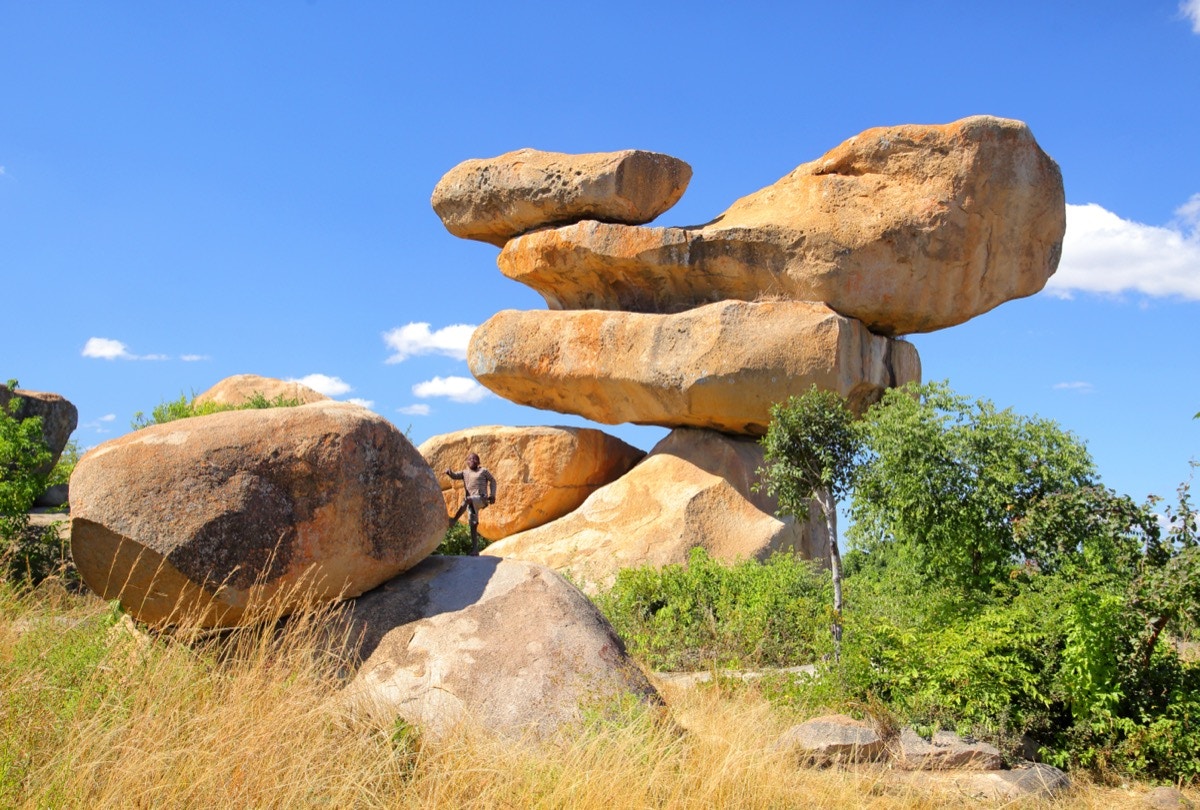
Authentic Culture
Experience real Zimbabwean life without tourist infrastructure - genuine interactions and local culture
Lower Costs
Significant savings compared to major tourist destinations - stretch your budget further
Unique Experiences
Discover natural wonders and cultural sites few travelers see - be among the first
Why Visit Secondary Destinations?
Authentic Zimbabwe:- Real local life, not tourist-oriented
- Genuine cultural interactions
- Traditional markets and businesses
- Less commercialized experiences
- True insight into Zimbabwean culture
- Much cheaper accommodation
- Local restaurant prices
- Budget-friendly activities
- Money goes directly to local communities
- Can extend trip with savings
- Natural wonders tourists miss
- Historical sites without crowds
- Local festivals and events
- Undiscovered hiking and nature
- Pioneer tourism experiences
- Different from typical safari/Falls route
- Add variety to itinerary
- Enroute stops on longer journeys
- Combine multiple towns on road trips
Midlands Region
Gweru
Zimbabwe’s geographical center Why Visit:- Midway between Harare and Bulawayo (perfect road trip stop)
- Antelope Park (lion rehabilitation)
- Military Museum (Zimbabwe’s military history)
- Boggie Clock Tower (city landmark)
- Gateway to Midlands wilderness areas
- Antelope Park - Conservation park with lion rehabilitation program
- Military Museum - Comprehensive military history collection
- Midlands State University - Vibrant student city
- Kudu Horn Shrine - Traditional spiritual site nearby
- Stay: $30-80/night (guesthouses, small hotels)
- Eat: Local restaurants $3-10 per meal
- Access: A5 highway (Harare 3hrs, Bulawayo 2hrs)
- Best For: Road trip stop, budget base for Midlands exploration
Kwekwe
Historic gold mining town Why Visit:- Gold mining heritage
- Access to Sebakwe Recreational Park
- Traditional mining culture
- Enroute to Hwange from Harare (alternative route)
- Sebakwe Recreational Park - Dam, fishing, boating, wildlife
- Gold mining areas - Historic and active mines (view from outside)
- Local markets - Gold trading (legal) still happens
- Mbizo Stadium - Soccer culture (attend match if timing right)
- Stay: $25-60/night (basic accommodation)
- Eat: Very cheap local food ($2-8)
- Access: Between Gweru and Kadoma on A5
- Safety: Some areas rough at night - ask locals about safe areas
Kadoma
Cotton and gold town Why Visit:- Gateway to remote Sengwa Wildlife Research Area
- Cotton farming region (scenic drives during harvest)
- Authentic small-town Zimbabwe
- Budget overnight stop
- Nearby cotton fields - Agricultural landscapes (harvest Feb-May)
- Sengwa Wildlife Research Area - Remote, rarely visited reserve
- Local culture - Authentic market town experience
- Stay: $20-50/night (limited options)
- Eat: Local spots $3-8
- Access: West of Harare on A5
- Best For: Enroute stop, gateway to Sengwa
Southern Region
Masvingo
Gateway to Great Zimbabwe and southeast Zimbabwe Why Visit:- Base for Great Zimbabwe Ruins (30km away)
- Kyle Recreational Park (boating, fishing)
- Mutirikwi Lake (scenic, crocodiles!)
- Southeast Lowveld gateway
- Authentic provincial capital
- Great Zimbabwe - UNESCO World Heritage Site nearby (see full guide)
- Lake Mutirikwi - Boating, fishing, wildlife
- Kyle Recreational Park - Rhinos, game viewing, water activities
- Chevron Hotel - Historic landmark
- Local markets - Soapstone carvings (cheaper than tourist areas)
- Stay: $25-100/night (range of options)
- Eat: $3-15 per meal (local to hotel restaurants)
- Access: 3 hours south of Harare on Beitbridge road
- Best For: Base for Great Zimbabwe, budget option vs. expensive lodges, gateway to Gonarezhou
Triangle & Chiredzi
Sugar plantation region, gateway to Gonarezhou Why Visit:- Gateway to remote Gonarezhou National Park
- Sugar industry tours possible
- Authentic rural Zimbabwe
- Enroute to Mozambique border
- Gonarezhou National Park - 30km from Chiredzi (see full guide)
- Sugar estates - Vast sugarcane plantations (scenic drives)
- Hippo Valley - Working sugar estate
- Save Conservancy - Private conservancy (ask about access)
- Stay: $20-70/night (limited options, book ahead)
- Eat: Basic local meals $3-8
- Access: Southeast from Masvingo (2-3 hours)
- Fuel: Fill up - remote area beyond
- Best For: Gonarezhou base, Mozambique border crossing
Beitbridge
South African border town Why Visit:- Border crossing point (South Africa)
- Gateway between countries
- Affordable overnight if crossing border early morning
- Limpopo River
- Border town, not tourist destination
- Hot (very hot!) lowveld climate
- Basic facilities
- Interesting for border culture observation
- Stay: $25-60/night (border town hotels)
- Purpose: Overnight near border crossing
- Access: 6 hours south of Bulawayo
- Border: Busy - arrive early (opens 6am)
- Climate: One of Zimbabwe’s hottest towns
Eastern Region
Mutare
Gateway city to Eastern Highlands and Mozambique Why Visit:- Eastern Highlands base (cheaper than mountain resorts)
- Mozambique border nearby (Beira Corridor)
- Vumba Mountains access
- City amenities + mountain proximity
- Christmas Pass viewpoint
- Cultural diversity (Portuguese influence)
- Vumba Mountains - 30km away (see Bvumba guide)
- Murahwa Hill - Rock paintings, hiking
- Cecil Kop Nature Reserve - City nature reserve, hiking
- Christmas Pass - Spectacular viewpoint into Mozambique
- National Gallery (Eastern Highlands branch)
- Mutare Museum - Local history, transport collection
- Cross-border shopping - Mozambique day trips
- Stay: $30-100/night (city hotels, guesthouses)
- Eat: $5-20 (variety from local to upscale)
- Access: 3 hours east of Harare
- Best For: Budget base for Bvumba/Nyanga, Mozambique border access, city comforts near mountains
Chipinge
Remote southeastern mountain town Why Visit:- Coffee and tea growing region
- Chirinda Forest (tallest indigenous tree in Zimbabwe)
- Authentic highland town
- Gateway to remote Chimanimani South
- Birding paradise
- Chirinda Forest Reserve - Ancient rainforest, Big Tree (65m tall!), birding
- Coffee estates - Zimbabwe coffee (tours possible at some estates)
- Tea plantations - Scenic drives through highland tea
- Mount Selinda - Hiking, views
- Birdwatching - Endemic and rare species
- Stay: $20-60/night (limited options, Chirinda Forest camp)
- Eat: Very local ($3-8), limited choices
- Access: Remote! From Mutare via Chimanimani or from Triangle
- Best For: Serious nature lovers, birders, off-the-beaten-path adventurers
Chimanimani (Town)
Mountain village gateway to Chimanimani National Park Why Visit:- Base for Chimanimani Mountains hiking
- Charming mountain village
- Crafts and local culture
- Authentic rural highland life
- Chimanimani National Park - Spectacular mountain hiking (see Eastern Highlands)
- Bridal Veil Falls - Easy waterfall hike from town
- Village life - Traditional mountain community
- Crafts - Local basketry and crafts
- Stay: $15-60/night (budget lodges, guesthouses, campsites)
- Eat: Simple local meals $3-10
- Access: 2 hours south of Mutare
- Best For: Budget hiking base, authentic village experience
Northern Region
Kariba (Town)
Not the lake - the town itself Why Visit:- Budget base for Lake Kariba experiences
- Local Kariba life (not tourist lodges)
- Dam wall engineering marvel
- Cheaper than tourist lodges
- Self-drive base
- Kariba Dam Wall - Engineering feat, viewpoint
- Town viewpoints - Lake views
- Local boat hire - Cheaper fishing trips, sunset cruises
- Crocodile farm - Small attraction
- “Operation Noah” history - Animal rescue during dam filling (monuments)
- Stay: $25-100/night (town lodges cheaper than lakeside resorts)
- Eat: $5-15 (local spots to hotel restaurants)
- Access: 4 hours north of Harare, or 6 hours from Bulawayo via Hwange
- Best For: Budget Kariba base, self-drive boat hire, avoiding expensive lodges
Chinhoyi
Famous for crystal-clear caves Why Visit:- Chinhoyi Caves (incredible blue water caves)
- Enroute from Harare to Kariba
- Budget stopover
- Cave diving (certified divers)
- Chinhoyi Caves - Spectacular limestone caves, crystal-clear blue pool (sleeping pool), national monument
- Cave diving - Some of Africa’s best cave diving (certified divers only)
- Nearby ruins - Historical sites
- Swimming - In designated pools (not the sacred pool)
- Stay: $20-60/night (basic options)
- Caves Entry: ~$5 per person
- Access: 2 hours northwest of Harare (enroute to Kariba)
- Best For: Day trip from Harare or enroute stop to Kariba
- Cave Diving: Need certification and advance booking with operators
Karoi
Farming town, Kariba route Why Visit:- Tobacco farming region
- Enroute to Kariba stop
- Authentic farming town
- Cotton and tobacco auctions (seasonal)
- Stay: $20-50/night (basic overnight options)
- Purpose: Enroute stop
- Access: Halfway between Chinhoyi and Kariba
- Interest: Agricultural if during auction season
Western Region
Hwange Town
Not the national park - the coal mining town Why Visit:- Coal mining heritage
- Totally different from safari lodge experience
- Authentic working-class town
- Budget overnight near Hwange NP
- Understand Zimbabwe’s mining economy
- Coal mining - Town built around mines
- Working-class culture - Real Zimbabwe industrial life
- Hwange Colliery - Historic coal operation
- Budget base - Much cheaper than park lodges
- Stay: $20-40/night (basic town lodges)
- Eat: Local meals $3-8
- Access: 1 hour from Victoria Falls, edge of Hwange NP
- Safety: Some areas rough - stick to main areas at night
Lupane
Rural Matabeleland town Why Visit:- Authentic rural Matabeleland culture
- Enroute to remote northern parks
- Traditional Ndebele life
- Very off-beaten-path
- Local culture - Traditional rural life
- Nearby communal areas - Authentic village life (respectful visits)
- Gateway - Northern Hwange access, remote areas
- Stay: $15-30/night (very basic)
- Access: North of Bulawayo
- Best For: Serious culture seekers, overland travelers
Hidden Natural Wonders
Mavuradonha Wilderness
Remote mountain wilderness Why Visit:- Completely undeveloped
- Pristine mountain wilderness
- Rock pools and waterfalls
- True adventure destination
- Virtually no tourists
- Multi-day wilderness hiking
- Waterfall exploration
- Rock pools
- Wildlife (rarely seen)
- Total solitude
- Difficult: 4x4 essential, rough roads
- Between Harare and Kariba (side route)
- Requires planning and preparation
- Guide recommended
- None - true wilderness
- Wilderness camping only
- Bring all supplies
Mushandike Sanctuary
Small park near Masvingo Why Visit:- Affordable self-catering accommodation
- Game viewing
- Water activities
- Quiet alternative to big parks
- Family-friendly
- Game drives (leopard, rhino, common game)
- Fishing
- Boating
- Hiking
- Picnicking
- Stay: $30-70/night (self-catering lodges)
- Entry: ~$5 per person
- Access: 1 hour from Masvingo
- Best For: Families, budget safari, combine with Great Zimbabwe
Zambezi Valley (Remote Areas)
Beyond the tourist circuit Areas:- Remote stretches of Zambezi River
- Communal lands
- Fishing camps
- True wilderness
- Difficult: 4x4 essential
- Poor roads
- Plan carefully
- Local guide recommended
- Tiger fishing (legendary)
- Wilderness canoeing
- Walking safaris (arrange with camps)
- Cultural experiences
Border Towns & Crossings
Victoria Falls Border (Zimbabwe/Zambia)
See: Victoria Falls guide for main coverage Border Town Vibe:- Cross daily for Zambia side of Falls
- 50 double-entry
- Easy crossing (touristy, organized)
Kazungula (Zimbabwe/Botswana/Zambia/Namibia Quadripoint)
Where 4 countries meet! Why Visit:- Unique geographical point
- Access to Chobe (Botswana) for day trips from Victoria Falls
- Border crossing to Botswana
- Zambezi-Chobe confluence
- Day trips to Chobe common from Vic Falls
- New Kazungula Bridge (2021) linking Zimbabwe-Botswana
- Vehicle crossing possible
Plumtree (Zimbabwe/Botswana)
Western border crossing Why Visit:- Main Bulawayo-Francistown route
- Border town experience
- Gateway to Botswana overland
- Basic facilities
- Overnight if needed ($20-40)
- Border crossing more relaxed than Beitbridge
Forbes Border Post (Zimbabwe/Mozambique)
Near Mutare, Beira Corridor Why Visit:- Access to Mozambique coast
- Beira city (Mozambique)
- Cross-border commerce
- Diverse cultural experience
- Mozambique visa needed (check nationality)
- Border 10km from Mutare
- Day trips to Mozambique possible
Planning Secondary Destination Trips
Self-Drive Itinerary Ideas: Midlands Circuit (5-7 days):- Harare → Gweru (overnight)
- Gweru → Bulawayo via Matobo (2 nights)
- Bulawayo → Gweru → Harare
- Budget: $500-800 per person
- Harare → Mutare (1 night)
- Mutare → Chimanimani (2 nights, hiking)
- Chimanimani → Chipinge (1 night)
- Chipinge → Bvumba (2 nights)
- Bvumba → Nyanga (2 nights)
- Nyanga → Harare
- Budget: $600-1,000 per person
- Harare → Masvingo (1 night)
- Great Zimbabwe (day trip)
- Masvingo → Gonarezhou (3 nights)
- Gonarezhou → Triangle/Chiredzi (1 night)
- Return via Great Zimbabwe or Harare
- Budget: $800-1,500 per person
- Harare → Chinhoyi Caves (1 night)
- Chinhoyi → Kariba town (2 nights, boat trips)
- Kariba → Mavuradonha (2 nights, camping)
- Mavuradonha → Harare → Mutare (1 night)
- Mutare → Chimanimani (2 nights)
- Chimanimani → Chipinge (2 nights)
- Return via Masvingo (1 night)
- Masvingo → Harare
- Budget: $900-1,400 per person
Practical Tips for Secondary Destinations
Accommodation:- Book ahead (limited options in small towns)
- Lower standards than tourist areas (set expectations)
- Budget $20-60 per night typical
- Self-catering often best option
- Camping possible at some locations
- Local restaurants very cheap ($3-8)
- Limited variety (sadza, chicken, beef, vegetables)
- Towns have basic supermarkets
- Bring snacks for remote areas
- Bottled water essential
- Self-drive best option (most not served by tours)
- Fuel available in towns (not always between)
- Road conditions vary (some rough)
- Distances deceiving (slow travel)
- Public transport exists but time-consuming
- ATMs in towns (carry cash backup)
- Limited WiFi (don’t rely on connectivity)
- Cell coverage in towns, spotty between
- Pharmacies in larger towns
- Mechanics available (variable quality)
- Generally safe during day
- Be cautious at night (poorly lit)
- Don’t display valuables
- Ask locals about areas to avoid
- Friendly people, helpful
- Less used to tourists
- Photography: always ask permission
- Dress modestly
- Greet people respectfully
- Learn basic Shona/Ndebele greetings
- Respect local customs
When to Visit Secondary Destinations
Dry Season (May-October):- Better road conditions
- Easier access to remote areas
- Cooler (more comfortable)
- Better for outdoor activities
- Roads can be challenging
- Some areas inaccessible
- Spectacular scenery (green, lush)
- Waterfalls flowing
- Fewer travelers
- Lower prices
- April-May: After rains, green, good roads
- August-October: Peak season, great weather
- November-December: Pre-rain, hot, fewer people
Benefits of Exploring Secondary Destinations
For You:- Authentic experiences
- Lower costs (extend trip or save money)
- Unique stories
- Fewer crowds
- Real cultural insights
- Pioneer tourism
- Tourism income to underserved areas
- Direct community benefit
- Encouragement for future tourism development
- Economic diversification beyond major circuits
- Cultural exchange
- Spreading tourism benefits beyond main areas
- Regional development
- Preserving culture through interest
- Diverse tourism economy
Challenges & Considerations
Infrastructure:- Basic facilities
- Limited accommodation options
- Poor internet/phone
- Unreliable electricity (load-shedding)
- English less common than tourist areas
- Shona/Ndebele more necessary
- Translation apps helpful
- Patience required
- No tour operators in most places
- Limited guides
- Must arrange yourself
- Research essential beforehand
- Not luxury or even mid-range comforts
- Authentic = basic infrastructure
- Flexibility required
- Adventure attitude essential
Resources for Secondary Destination Travel
Maps:- GPS essential (offline maps)
- Google Maps reasonably accurate
- Paper maps backup (Tracks4Africa)
- Ask locals for directions
- Limited online resources
- This guide!
- Local tourism offices (hit or miss)
- Facebook groups (Zimbabwe travel)
- Ask locals when there
- Accommodation: email/WhatsApp directly
- Few online booking platforms
- Pay cash on arrival common
- Confirm bookings multiple times
- Local community members helpful
- Ask questions freely
- Build relationships
- Support local businesses
Ready to Explore Real Zimbabwe? These destinations aren’t for everyone - they require flexibility, adventure spirit, and acceptance of basic facilities. But for travelers seeking authentic experiences, cultural depth, and budget-friendly travel, secondary destinations reveal Zimbabwe beyond the tourist brochure. More Destination Guides: Planning Resources:
Venture beyond the tourist trail - discover the real Zimbabwe! Last updated: January 2025