

Zimbabwe’s Wildlife: Animals and Birds
The Big Five
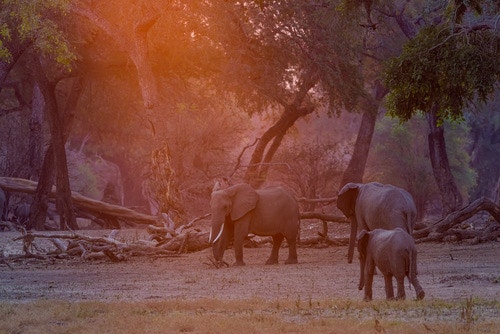
African Elephant
Population: ~82,000+ (one of Africa’s largest populations)Where to See: Hwange National Park (45,000+), Mana Pools, Gonarezhou, MatusadonaBest Time: Dry season (May-October) when they congregate at waterholesBehavior: Highly intelligent and social, living in matriarchal herds. Bulls often solitary or in bachelor groups. Can consume 150kg of vegetation daily.Safety: Maintain 30+ meter distance. Never position between mother and calf. Watch for ear flapping, trunk raising, and mock charges as warning signs.
Lion
Population: ~1,700-2,000 (stable and healthy)Where to See: Hwange, Mana Pools, Gonarezhou, Matobo HillsBest Time: Year-round, but easier to spot in dry season (June-October)Behavior: Social cats living in prides of 3-30 individuals. Primarily nocturnal hunters, but active at dawn and dusk. Males defend territory while females do most hunting.Viewing Tips: Look for them near waterholes at dawn and dusk. Listen for roaring at night. Tree-climbing lions can be seen in some areas.
Leopard
Population: ~2,000+ (elusive but widespread)Where to See: Mana Pools, Matobo Hills, Hwange, MatusadonaBest Time: Night drives (where permitted), early morning, late eveningBehavior: Solitary and nocturnal. Excellent climbers, often dragging prey into trees to protect from scavengers. Most adaptable of big cats.Viewing Tips: Scan tree branches for resting leopards or cached prey. Look for alarm calls from baboons and birds. Night drives offer best opportunities.
African Buffalo
Population: ~55,000+ across reservesWhere to See: Hwange, Mana Pools, Gonarezhou, ChizariraBest Time: Dry season at waterholes; wet season in large herdsBehavior: Live in herds of hundreds to thousands. Adult males may form bachelor groups or become solitary (“dagga boys”). Considered one of Africa’s most dangerous animals.Safety: Extremely dangerous when wounded or protecting calves. Keep distance of 50+ meters. Never approach solitary bulls.
Black & White Rhino
Population: Small but increasing (exact numbers kept confidential for anti-poaching)Where to See: Intensive Protection Zones in Mana Pools, Matobo Hills (white rhino walks available), private conservanciesConservation Status: Critically endangered (black), near threatened (white)Behavior: Black rhinos are browsers with hooked lips; white rhinos are grazers with square lips. Both have poor eyesight but excellent hearing and smell.Viewing: Rhino tracking walks available in Matobo Hills. Support anti-poaching efforts through responsible tourism.
Iconic African Wildlife
African Wild Dog (Painted Wolf)
African Wild Dog (Painted Wolf)
Population: ~700 (one of Africa’s largest populations)Where to See: Hwange, Mana Pools, Gonarezhou, MatusadonaConservation Status: EndangeredBehavior & Characteristics:
- Highly social, living in packs of 5-30 individuals
- 80% hunt success rate (highest of any large predator)
- Unique coat patterns - no two dogs look alike
- Democratic pack dynamics with alpha pair breeding
- Exceptional stamina - chase prey over long distances at 60+ km/h
- Cooperative hunters working in coordinated teams
- Incredibly devoted to pack members, including injured and elderly
- Most active dawn to mid-morning and late afternoon
- Denning season (May-August) offers best viewing
- Packs range over huge territories (400-1,500 km²)
- Look for radio collar monitoring by conservation teams
- Hwange has particularly habituated packs for viewing
- Main threats: habitat loss, human-wildlife conflict, disease from domestic dogs
- Zimbabwe hosts the Painted Dog Conservation center in Hwange
- Tourism directly supports anti-poaching and monitoring efforts
Cheetah
Cheetah
Population: Small but stable (~300-400)Where to See: Hwange (open grasslands), GonarezhouBehavior: Diurnal hunters (unlike most big cats), relying on explosive speed (110+ km/h) rather than stealth. Solitary females or male coalitions.Viewing Tips: Scan open plains during mid-morning and afternoon. Look for animals on termite mounds surveying for prey.Conservation: Listed as vulnerable. Zimbabwe’s dry, open areas provide ideal habitat.
Hippopotamus
Hippopotamus
Population: ~3,000-4,000Where to See: Zambezi River (Mana Pools, Victoria Falls), Lake Kariba, Gonarezhou riversBehavior:
- Spend days in water to keep cool, emerge at night to graze
- Highly territorial and dangerous on land
- Can weigh 1,500-4,000 kg
- Powerful jaws with tusks up to 50cm long
- Responsible for more human deaths in Africa than any other large animal
Nile Crocodile
Nile Crocodile
Population: Abundant in major river systemsWhere to See: Zambezi River, Lake Kariba, rivers in all major parksBehavior:
- Ambush predators that can wait motionless for hours
- Can grow to 5+ meters and live 70+ years
- Powerful bite force (3,700 psi)
- Regulates temperature by basking with mouth open
- Surprisingly fast on land over short distances
Giraffe
Giraffe
Population: ~30,000+Where to See: Hwange, Gonarezhou, Mana Pools, private reservesSub-species: Southern giraffe (Giraffa giraffa)Behavior:
- Tallest animals (up to 5.5m), allowing them to browse leaves other herbivores can’t reach
- Can go weeks without drinking due to moisture from acacia leaves
- Sleep only 4-5 hours daily in short naps
- Powerful kick can kill a lion
Plains Game
Plains Game
Impala (100,000+): Most abundant antelope. Impressive jumping ability (3m high, 10m long). Distinctive black stripes on rump and tail.Greater Kudu: Large antelope with spiral horns (males). Browser preferring woodland. Cautious and well-camouflaged.Sable Antelope: Magnificent with curved horns (both sexes). Dark coats, white facial markings. Prefer woodland savanna.Waterbuck: Large antelope with shaggy coat, white “target ring” on rump. Always near water. Strong odor.Wildebeest: Large herds in some parks. Distinctive appearance with ox-like horns and beard. Migratory in some areas.Zebra (Plains): Common throughout parks. Each has unique stripe pattern. Live in harems with single stallion.Warthog: Common. Characteristically run with tails upright. Kneel to feed on grass. Use abandoned burrows for shelter.
Primates
Primates
Baboon (Chacma): Largest primate in Zimbabwe. Highly intelligent and social. Common in all parks. Keep distance - can be aggressive, especially males.Vervet Monkey: Smaller, grey-green monkeys with black faces. Very agile and adaptable. Will steal food - keep camp secure.Samango Monkey: Rare forest-dwelling monkey. Found only in Eastern Highlands. Dark fur with distinctive white collar.Safety: Never feed primates. Keep food secured. Maintain distance. Males can be aggressive, especially protecting troop.
Hyena & Wild Cats
Hyena & Wild Cats
Spotted Hyena: Common. Powerful jaws can crush bone. Complex social structure with female dominance. Excellent hunters (not just scavengers). Eerie whooping calls at night.Serval: Medium-sized cat with long legs and large ears. Solitary and mainly nocturnal. Specialist rodent hunter in grasslands.Caracal: Reddish cat with distinctive ear tufts. Excellent jumper, can catch birds in flight. Mainly nocturnal and rarely seen.African Civet: Cat-like but not a true cat. Nocturnal omnivore. Look for it on night drives.
Birds of Zimbabwe
Zimbabwe is a premier birding destination with over 680 recorded species, including 27 endemics and near-endemics in southern Africa.Raptors & Birds of Prey
African Fish Eagle: Zimbabwe’s most iconic bird. Distinctive call (“the voice of Africa”). Common along Zambezi, Kariba, major rivers.Martial Eagle: Africa’s largest eagle. Powerful predator taking prey up to small antelope. Majestic in flight.Secretary Bird: Distinctive ground-dwelling raptor. Long legs, crest of black feathers. Stomps on snakes with powerful feet.Bateleur Eagle: Short-tailed, colorful eagle. Acrobatic flyer. Name means “tightrope walker” in French.Verreaux’s Eagle: Specializes in hunting rock hyrax. Common in Matobo Hills granite kopjes.Viewing: Mana Pools, Lake Kariba, Matobo Hills
Large Birds & Waterbirds
African Crowned Crane: Endangered. Distinctive golden crown, elegant dancer. Wetlands and grasslands.Saddle-billed Stork: Massive, colorful stork. Striking red, black, yellow bill. Rivers and wetlands.Goliath Heron: World’s largest heron (1.5m tall). Patient hunter in shallows.Pink-backed & White Pelican: Large flocks on Kariba and major rivers. Synchronized fishing behavior.African Spoonbill: Distinctive spatulate bill used to sweep through water for prey.Viewing: Lake Kariba, Zambezi River, wetlands in all parks
Colorful & Endemic Species
Lilac-breasted Roller: National bird. Stunning colors, acrobatic display flights during breeding.Carmine Bee-eater: Brilliant red-pink plumage. Large colonies nest in riverbanks (September-November, Mana Pools).Southern Ground Hornbill: Large black bird with red face and throat. Endangered. Cooperative breeding groups.Meyer’s Parrot: Small green parrot. Common in woodland. Breeding cavity nester.Purple-crested Turaco: Stunning purple and green. Eastern Highlands forests. Loud, distinctive call.Viewing: Widespread across parks, Eastern Highlands for forest species
Vultures
White-backed Vulture: Most common. Critically endangered. Essential ecosystem role.Lappet-faced Vulture: Largest, most powerful vulture. Can tear through tough hide.Hooded Vulture: Smallest, often last to feed at carcass.Conservation Crisis: Vulture populations declining dramatically due to poisoning, electrocution on power lines, and belief-based use.Why They Matter: Natural clean-up crew preventing disease spread. Indicator species for ecosystem health.Support: Report sightings, support anti-poisoning campaigns
Best Birding Locations & Seasons
- Prime Birding Parks
- Seasonal Birding
- Endemic & Special Species
Mana Pools National Park
- 450+ species recorded
- Carmine bee-eater colonies (Sep-Nov)
- Excellent raptors and waterbirds
- Canoe safaris ideal for birding
- 400+ species
- Excellent for raptors and large terrestrial birds
- Secretary birds in grasslands
- Waterholes attract diverse species
- Endemic and near-endemic forest species
- Chirinda Forest for Swynnerton’s Robin
- Roberts’ Prinia in montane grasslands
- 350+ species including rarities
- 350+ species
- Exceptional waterbird diversity
- African Fish Eagles abundant
- Houseboat birding safaris
- Unique spray forest habitat species
- Raptors riding thermals above gorges
- Taita Falcon (rare) in gorges
Reptiles & Amphibians
Snakes
Snakes
Zimbabwe hosts ~80 snake species, most harmless.Venomous Species to Know:
- Black Mamba: Highly venomous, fast, aggressive when cornered. Olive-brown body, black mouth interior. If encountered, back away slowly.
- Puff Adder: Responsible for most snake bites in Africa. Thick-bodied, sluggish, excellent camouflage. Watch where you step.
- Mozambique Spitting Cobra: Can spit venom 2-3 meters targeting eyes. Wear eye protection. If spat on, rinse eyes immediately.
- Boomslang: Tree-dwelling, rear-fanged. Rarely bites humans but venom is potent.
- African Rock Python (up to 5m, constrictor)
- Brown House Snake (common around lodges)
- Spotted Bush Snake (green, harmless)
- Watch where you place hands and feet
- Wear closed shoes on bush walks
- Check sleeping bags and boots
- Never attempt to catch or kill snakes
- Most bites occur when people try to handle snakes
Lizards & Other Reptiles
Lizards & Other Reptiles
Nile Monitor: Large lizard (1-2m). Semi-aquatic, excellent swimmer. Found near water. Can be aggressive if cornered.Rock Monitor: Terrestrial species in rocky areas. Slightly smaller than Nile monitor.Agamas: Colorful lizards common on rocks. Males develop brilliant blue and red colors during breeding.Geckos: Many species, including common house geckos. Harmless, eat insects. Welcome around lodges.Chameleons: Several species including large flap-necked chameleon. Slow-moving, color-changing. Often found crossing roads at night.Terrapins & Turtles: African helmeted terrapin common in rivers and pans. Nile soft-shelled turtle in major rivers.
Amphibians
Amphibians
Frogs: 60+ species, most active during rains.Notable Species:
- African Bullfrog (Giant Bullfrog) - huge, aggressive when breeding
- Reed Frogs - small, colorful, around water
- Various tree frogs in Eastern Highlands forests
- Rain Frogs - burrowing species that emerge after rains
Wildlife Viewing Tips & Etiquette
Best Viewing Practices
Timing:
- Early morning (sunrise-10am): Most animal activity
- Late afternoon/evening (4pm-sunset): Second peak activity period
- Midday: Animals rest in shade; good for birding
- Night drives: Nocturnal species (where permitted)
- Binoculars (8x42 or 10x42 recommended)
- Camera with telephoto lens (300mm+ ideal)
- Field guides for mammals and birds
- Notebook for logging sightings
- Neutral-colored clothing (khaki, green, brown)
- Be patient - sit at waterholes
- Look for movement and shapes, not whole animals
- Listen for alarm calls and rustling
- Scan tree branches for leopards and birds
- Check riverbanks for hippos and crocs
- Follow vulture activity to predator kills
Safety & Etiquette
Critical Safety Rules:
- Stay in vehicle unless at designated areas
- Maintain safe distances (see species guides above)
- Never feed animals
- No loud noises or sudden movements
- Keep windows mostly closed near lions
- Never drive between mother and offspring
- Follow guide instructions immediately
- Minimize time at sightings (especially predators with kills)
- Don’t surround animals with vehicles
- Allow animals right-of-way
- No off-road driving (damages habitat)
- Report injured animals to park officials
- Support anti-poaching through responsible tourism
- No flash near nocturnal animals
- Don’t use calls/sounds to attract wildlife
- Don’t alter environment for better shots
- Share sighting locations responsibly
- Respect animals’ space and behavior
Wildlife Identification Resources
Recommended Field Guides:- Newman’s Birds of Southern Africa - The definitive regional guide
- Mammals of Southern Africa by Chris & Tilde Stuart - Comprehensive mammal guide
- Beat About the Bush: Mammals - Excellent for safari-goers
- Snakes and Reptiles of East Africa - Good regional coverage
- Birding Apps: Roberts Bird App, Sasol eBirds, Merlin Bird ID
- Mammal Apps: African Wildlife App, Mammal Guide Southern Africa
- Track & Sign: iTrack Wildlife, African Animal Tracks
- BirdLife Zimbabwe
- Wildlife & Environment Zimbabwe (WEZ)
- African Wildlife Foundation - Zimbabwe
- Zimbabwe Parks & Wildlife Management Authority
Conservation Status & Threats
How You Can Help Conservation
Choose Responsible Operators
Select lodges and operators that contribute to conservation. Look for:
- Community partnerships
- Anti-poaching support
- Conservation levies
- Environmental certifications
Follow All Park Rules
Your compliance protects wildlife:
- Stay on designated roads
- Maintain safe distances
- No feeding or touching animals
- Take all trash with you
Support Conservation Organizations
- Painted Dog Conservation (Hwange)
- Zimbabwe Elephant Nursery
- BirdLife Zimbabwe
- African Wildlife Foundation - Zimbabwe
- Donate directly or buy conservation merchandise
Report Wildlife Crime
If you witness poaching, snaring, or wildlife crime:
- Report to park rangers immediately
- Note location, time, vehicle details if safe
- Contact Zimbabwe Parks & Wildlife Authority
- Tourism supports conservation - your vigilance matters
Planning Your Wildlife Safari
For comprehensive safari planning including best parks, accommodation, and itineraries, see our dedicated Safari Planning Guide. For national park details, visit National Parks & Reserves. To learn about Zimbabwe’s conservation initiatives, see Conservation Efforts.Have you encountered amazing wildlife in Zimbabwe? Share your sightings and experiences with fellow travelers! Last updated: January 2025