

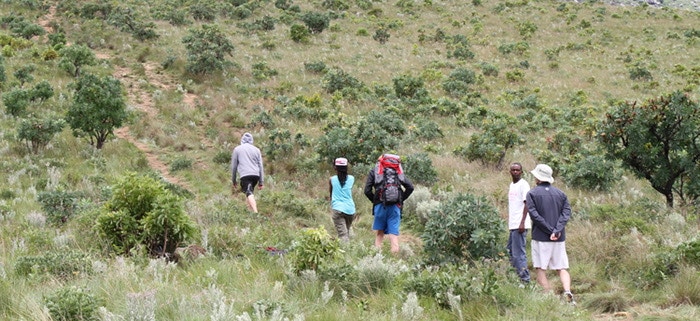
Quick Trail Finder
Day Hikes
For Day Trippers:
- Mt. Nyangani (3-5 hours)
- Pungwe Falls (2-3 hours)
- Matobo Hills circuits
- Victoria Falls trails
- Bvumba nature walks
Multi-Day Treks
For Trekkers:
- Chimanimani (3-7 days)
- Eastern Highlands circuit
- Matobo wilderness trails
- Safari walking trails (with guides)
Easy Walks
For All Levels:
- Rainforest walks (Vic Falls)
- Tea estate strolls
- Nature trails in parks
- Short summit attempts
- Cultural village walks
Eastern Highlands - Premier Hiking Destination
- Mt. Nyangani - Highest Peak
- Chimanimani Mountains
- Other Eastern Highlands Trails
Summit Zimbabwe’s Roof (2,592m)
Overview:- Elevation: 2,592 meters (8,504 feet)
- Prominence: Highest point in Zimbabwe
- Location: Nyanga National Park, Eastern Highlands
- Difficulty: Moderate (steep but no technical climbing)
- Time: 3-5 hours round trip
- Distance: ~10km round trip
- Located in Nyanga National Park
- Park entry required ($10-15)
- Clear signage and parking area
- Can hire guide (recommended, $20-30)
- Well-defined path (can be muddy)
- Steady climb through montane grassland
- Gains ~500m elevation from parking
- Exposed to weather (sun, wind, possible fog)
- Cairns mark route in places
- Final approach steeper
- Spectacular 360° views (clear days)
- Can see into Mozambique
- Often foggy/cloudy (especially afternoon)
- Rocky summit plateau
- Summit marker/trig beacon
- Can be extremely windy and cold
- Same route
- Watch footing (loose rocks, slippery when wet)
- Easier but still takes 1.5-2 hours
- April-October: Dry season (clearer views)
- May-August: Clear but cold at summit
- September-October: Warmer, still clear
- November-March: Wet season (afternoon thunderstorms, fog)
- Layers (can be 5-15°C at summit even when hot below)
- Windproof jacket
- Rain jacket (any season - weather changes fast)
- Hat and sunscreen
- 2+ liters water
- Snacks/lunch
- Sturdy hiking boots (ankle support)
- Trekking poles helpful
- First aid basics
- Phone/camera
- Weather: Changes rapidly, fog common afternoon
- Start early: Summit before 11 AM to avoid afternoon clouds
- Navigation: Easy to get disoriented in fog
- Guide recommended: Locals know route, weather patterns
- Cold: Even summer can be cold and windy at summit
- No water: Bring all you need (none on mountain)
- People have gotten lost in fog (some fatalities over decades)
- Hypothermia possible (weather changes fast)
- Lightning during storms
- Cliffs on some sides of mountain
- Always tell someone your plans
- Turn back if weather deteriorates
- Moderate fitness
- Comfortable hiking uphill for 2 hours
- Altitude not typically an issue (gradual from nearby towns already at ~1,800m)
- Park entry: $10-15
- Guide: $20-30 (optional but recommended)
- Total: $10-45 per person
Matobo Hills - Unique Granite Landscapes
Matobo Hills Walking Trails
Matobo Hills Walking Trails
Overview:
- Location: Matobo National Park, 35km from Bulawayo
- Terrain: Unique granite kopjes (inselbergs), balancing rocks
- Type: Day hikes and overnight options
- Wildlife: Leopard, white rhino, kudu, rock hyrax
- Cultural: Ancient rock art, historical sites
- Distance: 2-3km from parking
- Time: 1-2 hours round trip
- Difficulty: Moderate (steep granite slopes)
- Features: Cecil Rhodes’ grave, panoramic views, bronze plaques
- Historical: Rhodes chose this burial site for sweeping views
- Views: 360° over Matobo Hills (stunning at sunrise/sunset)
- Distance: 5-10km (various options)
- Time: 2-4 hours
- Difficulty: Easy to moderate
- Features: Dam, wildlife, birds, balancing rocks
- Wildlife: White rhino possible, kudu, baboons
- Best: Morning or late afternoon
- Type: Guided wildlife walk
- Duration: 2-4 hours
- Difficulty: Moderate (uneven terrain)
- Purpose: Track and view white rhinos
- Guide: Armed guide required
- Cost: $40-60 (park entry + tracking fee)
- Experience: Close rhino encounters (10-30m)
- Booking: Must book in advance
- Access: Various short walks (15 min - 1 hour)
- Features: San paintings 2,000+ years old
- Sites: Nswatugi Cave, Pomongwe Cave, others
- Difficulty: Easy (short distances)
- Guide: Recommended for context and finding sites
- Best: Morning light for photography
- Options: 2-3 day trails with camping
- Terrain: Through kopjes and valleys
- Guide: Required
- Camping: Wild camping with guide
- Wildlife: Leopard, rhino, varied game
- Booking: Arrange through park or operators
- Year-round accessible
- Dry season (May-Oct): Easier walking, better wildlife
- Wet season (Nov-Apr): Lush, wildflowers, some trails muddy
- Any season: Beautiful granite formations
- Sturdy shoes (granite can be slippery)
- Sun protection (exposed terrain)
- Water (3+ liters)
- Camera
- Binoculars
- Balancing rocks (iconic formations)
- Granite kopjes (nowhere else quite like it)
- High density of black eagles
- Ancient rock art
- Cultural and natural heritage combined
Rock Scrambling & Bouldering
Rock Scrambling & Bouldering
Matobo Rock Climbing:
- World-class granite rock climbing
- Hundreds of established routes
- Grades from easy to extremely difficult
- Bouldering opportunities throughout
- Natural protection (crack systems)
- Climbing experience and equipment
- Permits from Zimbabwe Parks
- Local ethics (some areas sacred)
- Guide recommended for route finding
- Several guiding companies in Bulawayo
- Gear rental sometimes available
- Multi-day climbing camps possible
- April-October (dry, good friction)
- Winter (May-August) can be cold
Walking Safaris - Wildlife on Foot
Mana Pools Walking Safaris
Mana Pools Walking Safaris
Africa’s Premier Walking Safari Destination
Why Mana Pools is Special:- One of few African parks allowing independent walking (with caution)
- Walk alongside elephants, buffalo without vehicle barrier
- Professional guides expert in dangerous game
- Pristine wilderness experience
- Unmatched intimacy with wildlife
- 2-4 hour morning walks
- Professional guide with rifle
- Track animals, study signs
- Photography opportunities
- Return to lodge
- Suitable for moderate fitness
- Included in most lodge stays
- 3-5 day guided expeditions
- Mobile camping
- Cover 10-15km daily
- Varied terrain (floodplain, woodland, river)
- All equipment/food provided
- Excellent fitness required
- Mana Pools allows solo walking
- Only for very experienced bushwalkers
- Comprehensive wildlife knowledge essential
- Understanding of dangerous game behavior
- Self-responsibility for safety
- Most visitors should NOT attempt
- Elephants (often very close, on foot level)
- Buffalo (dangerous - approach with extreme care)
- Lions (occasionally encountered)
- Wild dogs (if lucky)
- Numerous antelope species
- Birds (excellent at slow pace)
- Guide’s instructions: Obey immediately, without question
- No sudden movements: Calm, controlled at all times
- Stay together: Group provides safety
- Downwind approach: Scent awareness critical
- Respect distance: Animals give warnings before charging
- No running: Unless guide instructs
- Elephant approach: Back away slowly, avoid eye contact if too close
- Buffalo encounter: Most dangerous, avoid confrontation
- Lion sighting: Remain calm, face animal, back away slowly
- Hippo on land: Give very wide berth, explosive speed
- Guide carries rifle: Last resort only
- April-October (park open, dry season)
- May-July: Comfortable temps, good wildlife
- August-October: Hot (35-45°C), exceptional wildlife concentration
- Moderate to good fitness
- Walk 10-15km in heat
- Carry daypack
- Uneven terrain
- Mental composure under stress
- Included in lodge rates (typically)
- Mobile walking safaris: $400-800 per person per day
- Park entry: $20-30 per day
- Most authentic wildlife experience possible
- All senses engaged
- See animal behavior vehicles miss
- Profound connection with wilderness
- Personal achievement
- Ultimate safari experience for many
Walking Safaris in Other Parks
Walking Safaris in Other Parks
Hwange National Park:
- Guided walks from some lodges
- Focus on tracking, signs, smaller creatures
- Generally in less dangerous game areas
- 2-3 hour walks typical
- Walking trails available with guides
- Remote wilderness experience
- Good fitness required
- Combine with game drives
- Shore walks from lodges
- Island walks
- Boat drops for short walks
- Unique water-and-land combination
- Professional guide legally required
- Guide carries rifle
- Follow instructions precisely
- Appropriate footwear (closed toe, sturdy)
- Quiet clothing (no rustling fabrics)
- Bring water, sun protection
- Leave no trace
Victoria Falls Area Trails
Victoria Falls Rainforest Walk
Victoria Falls Rainforest Walk
Overview:
- Location: Within Victoria Falls National Park
- Distance: 2-3km of paths
- Time: 1-3 hours
- Difficulty: Easy (paved paths)
- Features: Multiple Falls viewpoints, rainforest
- Network of paved paths along Falls rim
- 16 designated viewpoints
- Each offers different perspective
- Dense rainforest from constant spray
- Get soaked in high-water season!
- Diverse birds and monkeys
- Devil’s Cataract
- Main Falls
- Horseshoe Falls
- Rainbow Falls
- Eastern Cataract
- Danger Point (closest to Falls)
- Knife Edge Bridge
- Morning (better light for photos)
- Feb-May (peak flow - expect to get VERY wet)
- Sep-Dec (lower flow, can actually see Falls)
- Rain jacket (plastic poncho) in high-water months
- Waterproof camera case
- Change of clothes (seriously, you’ll be soaked Feb-May)
- Slippery paths - careful footing
Zambezi National Park Walks
Zambezi National Park Walks
Guided Game Walks:
- 2-3 hour walks in national park
- Professional guide
- Track elephants, buffalo, antelope
- Learn bush craft and tracking
- River viewpoints
Batoka Gorge Trails
Batoka Gorge Trails
Gorge Rim Trails:
- Walk along edge of Zambezi gorges
- Dramatic views 100+ meters down
- See rapids rafters navigate
- Viewpoints of bridge, gorge walls
- 2-4km various trails
- Easy to moderate
Trail Difficulty Ratings
- Easy Trails
- Moderate Trails
- Challenging Trails
Characteristics:
- Distance: 1-5km
- Elevation Gain: Minimal (under 200m)
- Time: 1-2 hours
- Terrain: Generally smooth, some paths paved
- Fitness: Minimal required
- Victoria Falls rainforest walk
- Vumba nature trails
- Short rock art walks (Matobo)
- Mtarazi Falls viewpoint
- Tea estate walks
- Families with children
- Seniors with mobility
- First-time hikers
- Those seeking gentle exercise
- Combined with other activities
- Comfortable walking shoes
- Sun protection
- Water (1-2 liters)
- Camera
Safety & Preparation
General Hiking Safety
General Hiking Safety
Before You Go:
- Research trail conditions
- Check weather forecast
- Tell someone your plans (itinerary, return time)
- Assess your fitness honestly
- Know your limits
- Carry map and compass (don’t rely solely on phone/GPS)
- Mark trailhead on GPS
- Note landmarks
- Don’t split up group in wilderness
- Know how to get help if lost
- Start early (especially mountains - afternoon storms common)
- Be prepared for rapid changes
- Hypothermia possible even in summer (altitude, wind, rain)
- Lightning danger in exposed areas
- Fog can disorient quickly
- Carry more water than you think you need
- Minimum 1 liter per 2 hours, more if hot
- Eastern Highlands: 2-3 liters
- Hot lowlands (Mana Pools): 5+ liters per day
- Water purification for multi-day treks
- Snakes: Watch where you step/place hands
- Baboons: Don’t feed, keep food secured
- Larger game: Maintain distance, make noise to avoid surprise encounters
- Elephants: Give right-of-way, back away slowly if too close
- Blisters (break in boots, use tape/moleskin)
- Sunburn (high altitude = stronger UV)
- Dehydration (drink before you’re thirsty)
- Fatigue (pace yourself, rest breaks)
- Getting lost (stay calm, retrace steps, use navigation)
High Altitude Considerations
High Altitude Considerations
Zimbabwe’s Altitude Range:
- Most of country: 300-1,200m
- Eastern Highlands: 1,800-2,600m
- Highest: Mt. Nyangani (2,592m)
- Generally not high enough for serious altitude sickness
- But can feel effects above 2,000m:
- Mild headache
- Shortness of breath during exertion
- Fatigue
- Reduced appetite
- Stay hydrated (more important at altitude)
- Pace yourself (slower than sea level)
- Acclimatize if coming from lowlands (spend night in highlands before big hikes)
- Stop/descend if symptoms worsen
- Mt. Nyangani summit can be 5-15°C (even when 25-30°C in valley)
- Wind chill significant
- Winter (June-Aug): Below freezing possible at night
- Bring layers always
Emergency Preparedness
Emergency Preparedness
First Aid:
- Carry comprehensive first aid kit
- Include: bandages, antiseptic, pain relievers, blister treatment, emergency blanket
- Know basic first aid (especially for multi-day treks)
- Specialized additions: snake bite kit (controversial efficacy), tick removal tool
- Limited/no cell coverage in mountains and parks
- Satellite phone/PLB for extended wilderness (rentals available)
- Whistle for signaling
- Tell someone detailed plans and expected return
- Lost: Stop, stay calm, retrace steps if certain, shelter in place if night approaching
- Injury: Assess severity, administer first aid, send for help if group, shelter in place if alone and can’t walk
- Weather: Seek shelter, stay dry, conserve energy, wait for improvement
- Wildlife threat: Back away slowly, don’t run (unless instructed by guide)
- Remote areas: evacuation can take many hours or days
- Travel insurance with emergency evacuation coverage essential
- Helicopter rescue possible but expensive and weather-dependent
- Know location of nearest help (park headquarters, lodges, villages)
What to Pack for Hiking
Day Hike Essentials
- Footwear: Hiking boots or sturdy trail shoes
- Clothing: Moisture-wicking layers, hat, long sleeves
- Sun Protection: Sunscreen SPF 50+, sunglasses
- Water: 2-3 liters capacity
- Food: Snacks, lunch, extra energy food
- Navigation: Map, compass, GPS/phone
- Emergency: First aid kit, whistle, emergency blanket
- Tools: Multi-tool, headlamp (if late return possible)
- Rain Gear: Jacket (especially Nov-Apr)
Multi-Day Trek Additions
- Backpack: 60-70L capacity
- Shelter: Tent (lightweight, weatherproof)
- Sleep System: Sleeping bag (0-5°C rating), sleeping mat
- Cooking: Stove, fuel, cookware, utensils
- Food: All meals + 1 extra day
- Water: Purification tablets or filter
- Clothing: Multiple sets, warm layers, extra socks
- Hygiene: Toilet paper, trowel, biodegradable soap, toothbrush
- Emergency: Comprehensive first aid, repair kit, emergency shelter
- Communication: Satellite device if available
Best Seasons for Hiking
- Dry Season (April-October)
- Wet Season (November-March)
- Year-Round Destinations
Optimal Hiking Conditions
Advantages:- Clear weather (fewer rain interruptions)
- Better visibility for views
- Trails less muddy, safer
- River crossings easier
- Comfortable temperatures (especially mornings)
- Wildlife more visible (concentrated at water)
- May-August: Cool to cold mornings/nights (great hiking temps, but bring layers)
- September-October: Hot in lowlands (35-45°C), but mountains still pleasant
- Peak tourist season: More hikers on popular trails
- Mt. Nyangani (clearer summit views)
- Chimanimani (safer river crossings)
- Walking safaris (better wildlife viewing)
- Multi-day treks (predictable weather)
Planning Your Hiking Adventure
1
Choose Your Trails
- Match difficulty to your fitness/experience
- Consider time available
- Factor in season and weather
- Day hikes vs. multi-day commitment
- Guided vs. independent capabilities
2
Prepare Physically
- Train with weighted pack for multi-day treks
- Build cardiovascular endurance
- Break in boots (blisters ruin hikes)
- Practice with gear before trip
3
Arrange Logistics
- Book guides/porters if needed (Chimanimani)
- Reserve park accommodation if camping
- Arrange transport to trailheads
- Purchase park permits
- Obtain maps and route information
4
Pack Appropriately
- Test all gear before departure
- Pack for weather extremes
- Include emergency supplies
- Don’t overpack (weight matters)
5
Stay Safe & Enjoy
- Tell someone your plans
- Check weather before departure
- Start early
- Know when to turn back
- Leave no trace
- Embrace the experience!
Related Guides
All Activities: See our comprehensive Activities and Experiences guide Water Activities: See our Water Sports guide Wildlife: See our Animals and Birds guide Destinations:- Eastern Highlands - Hiking paradise
- Nyanga - Mt. Nyangani and trails
- Matobo Hills - Unique granite landscapes
- Mana Pools - Walking safaris
Ready to explore Zimbabwe on foot? From mountain summits to wildlife encounters, Zimbabwe’s hiking and trekking opportunities offer unforgettable adventures!
Photo Credits
Image Attributions: We’re grateful to the talented photographers whose work brings Zimbabwe’s beauty to life on these pages.
View Photo Credits
View Photo Credits
All images on this page are used with permission or under free licenses:Moses Adventures Photography:
- Authentic Zimbabwe travel experiences
- Tour photography from actual safaris and adventures
- Used with permission from Moses Adventures
- Free high-quality photography
- Licensed under Unsplash License
- No attribution required, but we credit photographers to show appreciation
- Public domain images
- Licensed under Pixabay License
- Free for commercial use