

Conservation Success Stories
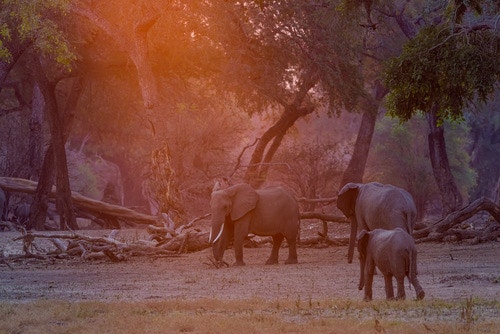
African Elephants
Status: Population stable and growingNumbers: ~82,000+ (one of Africa’s largest populations)Success Factors:
- Strong anti-poaching enforcement
- CAMPFIRE community benefit programs
- Habitat protection through national parks
- Transfrontier conservation areas enabling migration
- Community tolerance due to benefit-sharing
- Human-elephant conflict in communal areas
- Habitat pressure from human settlements
- Occasional overpopulation in fenced reserves
- Drought impacts on food and water availability
- Park fees fund ranger patrols and infrastructure
- Tourism employment reduces poaching incentives
- Viewing elephants validates their conservation value
- Documentation helps monitor populations
African Wild Dogs
Status: Endangered globally, thriving in ZimbabweNumbers: ~700 (one of Africa’s largest populations, ~10% of global total)Success Factors:
- Painted Dog Conservation (PDC) programs
- Anti-snaring initiatives
- Veterinary intervention for injured animals
- Research and monitoring (radio collars)
- Large protected areas (Hwange, Mana Pools)
- Community education programs
- Disease from domestic dogs (rabies, distemper)
- Snaring (indiscriminate wire traps)
- Human-wildlife conflict
- Habitat fragmentation
- Small gene pools in isolated populations
- Painted Dog Conservation (Hwange)
- Wildlife Conservation Action
- Zimbabwe Parks & Wildlife
- Visit PDC rehabilitation center in Hwange
- Support through donations or merchandise
- Report snares and injured animals
- Choose lodges supporting wild dog conservation
Black Rhino
Status: Critically endangered, slowly recoveringNumbers: Small population (exact numbers confidential for security)Success Factors:
- Intensive Protection Zones (IPZs)
- 24/7 armed ranger protection
- Radio tracking of individuals
- Dehorning programs to reduce poaching incentive
- Successful breeding in protected areas
- Translocation to establish new populations
- Intelligence-led anti-poaching operations
- High-value poaching target (horn worth more than gold)
- Sophisticated poaching syndicates
- Limited genetic diversity
- Slow reproduction (one calf every 3-5 years)
- Habitat requirements
- Armed guard accompaniment 24/7
- Technology: drones, camera traps, sensors
- K9 anti-poaching units
- Community intelligence networks
- Severe penalties for poaching (includes life sentences)
- Rhino tracking fees fund protection
- NEVER share rhino sighting locations on social media
- Report suspicious activity
- Support rhino conservation organizations
White Rhino
Status: Near threatened, stable in ZimbabweNumbers: Small but growing populationSuccess Factors:
- Successful breeding programs (Matobo Hills)
- Rhino walking safaris generate revenue
- Community benefit from rhino tourism
- Translocations from South Africa establishing populations
- Less targeted than black rhinos (slightly)
- Matobo Hills National Park offers rhino tracking walks
- Close encounters with habituated individuals
- Educational programs for visitors
- Demonstrates value of living rhinos vs. horn
- Tourism revenue exceeds potential poaching profit
- Community employment through tourism
- Successful model for rhino conservation
Major Conservation Challenges
Poaching Crisis
Poaching Crisis
Scope:
While Zimbabwe has fared better than some African countries, poaching remains a serious threat.Primary Targets:
- Rhinos: Horn valued for traditional medicine (Asia), dagger handles (Yemen)
- Elephants: Ivory for carvings and ornaments (mainly Asian markets)
- Pangolins: Scales for traditional medicine, meat as delicacy
- Leopards: Skins for traditional ceremonies
- Wildlife for bushmeat: Indiscriminate snaring
- Sophisticated syndicates with international networks
- Firearms (AK-47s often from conflict zones)
- Poisoning (cyanide in water holes - devastating for vultures)
- Wire snares (indiscriminate, cruel, kill all species)
- Bow and arrow (silent, difficult to detect)
- Rangers: Over 1,000 rangers patrolling parks (poorly paid but dedicated)
- Technology: Drones, camera traps, motion sensors, thermal imaging
- K9 Units: Sniffer dogs detect ivory, weapons, poachers
- Intelligence: Community informant networks
- Prosecution: Stiffer penalties including life sentences
- Demand Reduction: Campaigns in consumer countries
- Ranger salaries often delayed
- Equipment shortages (vehicles, radios, boots)
- Technology expensive to acquire and maintain
- Conservation competes with other national priorities
- Park fees directly fund ranger patrols
- Lodges often employ private security supplementing rangers
- Tourism creates employment alternatives to poaching
- Visitor presence deters poaching activity
- Photographs help monitor populations
Human-Wildlife Conflict
Human-Wildlife Conflict
The Challenge:
As human settlements expand around protected areas, conflicts increase.Types of Conflict:
- Elephants: Crop raiding (can destroy entire harvests overnight)
- Predators: Livestock killing (lions, leopards, hyenas, wild dogs)
- Buffalo: Crop damage, disease transmission (corridor disease)
- Hippos: Crop raiding at night, human fatalities
- Crocodiles: Attacks on people, livestock at water sources
- Primates: Crop raiding (baboons especially problematic)
- Economic losses for communities (crops, livestock)
- Human injuries and fatalities
- Retaliatory killing of wildlife (poisoning, shooting)
- Community resentment toward conservation
- CAMPFIRE Program: Communities benefit financially from wildlife
- Problem Animal Control: ZimParks responds to conflict situations
- Barriers: Chili fences, beehive fences (elephants), bomas for livestock
- Compensation Schemes: Payment for verified losses
- Early Warning Systems: Community scouts alert to approaching elephants
- Translocation: Moving repeat offenders to remote areas
- Community Engagement: Education about coexistence
- Insurance Programs: Covering crop and livestock losses
- Communities receiving CAMPFIRE revenue protect wildlife
- Chili fences reducing elephant raids (elephants hate capsaicin)
- Predator-proof livestock enclosures reducing lion killing
- Income from tourism exceeding crop value in some areas
- Stay at lodges with community partnerships
- Support CAMPFIRE programs
- Understand the challenges local communities face
- Contribute to conflict mitigation programs
Snaring Crisis
Snaring Crisis
The Threat:
Wire snares are indiscriminate, cruel, and devastating to wildlife.Impact:
- Kill or maim all species (elephants, lions, wild dogs, antelope)
- Injured animals suffer slow, painful deaths
- Survivors often lose limbs, trunks, or suffer infections
- Particularly devastating to endangered species
- Bushmeat for food (poverty-driven)
- Bushmeat for sale (commercial)
- Sometimes accidental bycatch (snares set for small game catch large animals)
- Thousands of snares removed annually
- Many more undetected in remote areas
- Problem increases during economic hardship
- De-Snaring Patrols: Rangers and anti-poaching teams remove snares
- Sniffer Dogs: Trained to detect wire snares
- Community Reporting: Incentives for reporting snare locations
- Veterinary Teams: Treating injured animals (especially elephants, wild dogs)
- Prosecution: Snaring is illegal with significant penalties
- Painted Dog Conservation: Hundreds of injured dogs treated and released
- Zimbabwe Elephant Nursery: Rehabilitating orphaned and injured elephants
- De-snaring teams in Gonarezhou and Hwange removing thousands of snares
- Painted Dog Conservation
- International Anti-Poaching Foundation (Akashinga female rangers)
- Zimbabwe Conservation Task Force
- Wildlife & Environment Zimbabwe
- Report any snares you see to park authorities
- Support anti-snaring organizations
- Visit rehabilitation centers
- Choose tour operators with anti-snaring commitments
Habitat Loss & Fragmentation
Habitat Loss & Fragmentation
Pressure Points:
- Agricultural expansion into wildlife corridors
- Settlements around park boundaries
- Firewood collection and logging
- Mining operations near protected areas
- Infrastructure development (roads, dams)
- Wildlife corridors blocked
- Populations isolated (genetic problems)
- Increased human-wildlife conflict
- Habitat degradation
- Species unable to follow traditional migration routes
- Transfrontier Conservation Areas: KAZA and Great Limpopo reconnect habitats
- Wildlife Corridors: Protected linkages between parks
- Community Conservation: CAMPFIRE gives communities stake in protection
- Land Use Planning: Zoning to separate settlements and wildlife
- Sustainable Resource Use: Controlled firewood collection, grazing
- Sengwe Corridor linking Gonarezhou to Kruger restored
- KAZA TFCA creating 520,000 km² of connected habitat
- Community conservancies establishing buffer zones
- Fence removal allowing natural migrations
Climate Change Impacts
Climate Change Impacts
Effects on Wildlife:
- More frequent and severe droughts
- Water source depletion
- Vegetation changes affecting grazers and browsers
- Food scarcity during extreme weather
- Disease outbreaks due to stress
- Changed migration patterns
- 2015-2016 drought killed hundreds of elephants, buffalo in Hwange
- Waterhole management became critical for survival
- Supplemental feeding necessary in extreme conditions
- Artificial waterholes to supplement natural sources
- Borehole drilling in parks
- Vegetation management
- Migration corridor protection
- Research on climate-resilient conservation
- Shifting habitat suitability
- Species range changes
- Increased human-wildlife conflict as animals seek resources
- Ecosystem transformations
- Support climate-resilient conservation
- Reduce carbon footprint of travel (offsets)
- Support sustainable tourism operations
- Understand crisis context during drought years
Community-Based Conservation
- CAMPFIRE Program
- Community Conservancies
- Conservation Employment
Communal Areas Management Programme for Indigenous Resources
Overview: Pioneering program (est. 1989) giving rural communities rights to benefit from wildlife on their land.How It Works:1. Wildlife Ownership:- Communities granted authority over wildlife on communal lands
- Can lease hunting rights and safari concessions
- Retain revenue from wildlife use
- Sport hunting quotas (strictly controlled)
- Photographic safari leases
- Craft sales to tourists
- Accommodation for tourists
- Compensation for crop/livestock damage
- Funds go to rural district councils
- Distributed to communities and households
- Used for schools, clinics, roads, water projects
- Employment as scouts, guides, staff
- Wildlife becomes economic asset
- Communities protect wildlife from poaching
- Tolerance for wildlife presence increases
- Pride in conservation role
- Wildlife populations increased in CAMPFIRE areas
- Over $2 million annually to communities (at peak)
- Poaching reduced in participating districts
- Model replicated in Namibia, Botswana, Mozambique
- Recognition as world-leading conservation approach
- Revenue distribution not always equitable
- Administrative capacity varies by district
- Hunting ban fluctuations affect income
- Human-wildlife conflict still occurs
- Climate impacts (drought) affect wildlife populations
- Staying in CAMPFIRE areas directly benefits communities
- Photographic tourism increasingly replacing hunting
- Demonstrating value of living wildlife
- Cultural exchanges and employment
- Surrounding Hwange, Gonarezhou, Mana Pools
- Communal lands in Masvingo, Matabeleland, Mashonaland
Key Conservation Organizations
Painted Dog Conservation (PDC)
Painted Dog Conservation (PDC)
Location: Hwange National ParkMission: African wild dog conservation through research, education, and community supportPrograms:
- Wildlife rehabilitation center (treating injured wild dogs, other species)
- Anti-poaching: de-snaring, K9 unit, community scouts
- Education: local schools, international volunteers
- Research: radio collaring, population monitoring
- Community support: human-wildlife conflict mitigation
- Over 100 wild dogs rehabilitated and released
- Thousands of snares removed annually
- Education reaching 10,000+ children yearly
- Contributing to Zimbabwe’s stable wild dog population
- Rehabilitation center open to visitors
- Educational displays about wild dogs and conservation
- Souvenir shop (proceeds support conservation)
- Volunteer opportunities
- Visit the center (entry fees support operations)
- Adopt a painted dog
- Donate directly
- Purchase merchandise
International Anti-Poaching Foundation (IAPF)
International Anti-Poaching Foundation (IAPF)
Program: Akashinga (“The Brave Ones”)Unique Approach:
- All-female anti-poaching rangers
- Recruits from disadvantaged backgrounds (survivors of abuse, single mothers)
- Community-driven conservation model
- Operates in Lower Zambezi Valley
- Over 115 female rangers trained and deployed
- Protecting 1.3 million acres of wilderness
- Zero elephant poaching in protected areas
- Empowering women and transforming communities
- Changing perceptions of women in conservation
- Featured in National Geographic documentary “The Brave Ones”
- International awards for conservation and women’s empowerment
- Nature conservation, social empowerment, and economic opportunity are inseparable
- Women more effective at community engagement
- Conservation must benefit local people
- Donations
- Volunteer programs
- Partner with IAPF-protected areas
Wildlife & Environment Zimbabwe (WEZ)
Wildlife & Environment Zimbabwe (WEZ)
Role: Advocacy, monitoring, and public awarenessActivities:
- Wildlife crime monitoring and reporting
- Advocacy for stronger protection
- Public awareness campaigns
- Supporting conservation organizations
- Research and documentation
- Anti-poaching advocacy
- Habitat protection
- Climate change impacts
- Human-wildlife conflict
- Conservation policy
- Follow on social media for conservation updates
- Report wildlife crime
- Participate in awareness campaigns
- Donations
BirdLife Zimbabwe
BirdLife Zimbabwe
Mission: Bird conservation through research, advocacy, and educationPrograms:
- Important Bird Area (IBA) monitoring
- Vulture conservation (critically endangered species)
- Endemic species protection
- Habitat preservation
- Citizen science (bird counts, atlasing)
- Vulture poisoning crisis (decimating populations)
- Habitat loss
- Climate change impacts on bird populations
- Invasive species
- Annual bird counts and surveys
- Conservation education
- Policy advocacy
- Community conservation projects
- Join bird walks and counts
- Report bird sightings (citizen science)
- Membership
- Donations
Zimbabwe Elephant Nursery
Zimbabwe Elephant Nursery
Mission: Rescue, rehabilitate, and release orphaned and injured elephantsLocated: Near HarareCases:
- Orphaned calves (mothers killed by poaching, conflict, natural causes)
- Snare injuries (trunks, legs)
- Human-wildlife conflict casualties
- Drought and illness victims
- Rescue and emergency care
- Intensive 24/7 care by keepers
- Socialization with other elephants
- Gradual reintroduction to wild herds
- Long-term monitoring
- Multiple elephants successfully released
- Raising awareness about elephant conservation
- Treating severe injuries allowing survival
- Expensive long-term care (elephants require years of support)
- Finding appropriate release sites
- Funding constraints
- Adopt an elephant
- Visit the nursery (check availability)
- Donations
- Sponsor specific projects
Research & Monitoring Programs
Ongoing Research:
- Lion populations: Long-term studies in Hwange, Mana Pools, Matusadona
- Elephant behavior: Human-elephant interaction research
- Wild dog ecology: Population dynamics, ranging behavior, disease
- Vulture conservation: Tracking populations, identifying threats
- Leopard research: Camera trap studies, population estimates
- Bird monitoring: Atlas projects, Important Bird Area assessments
- Vegetation dynamics: Climate change impacts, fire management
- Human-wildlife conflict: Mitigation strategy effectiveness
- Zimbabwe Parks & Wildlife Authority
- University of Zimbabwe
- National University of Science & Technology
- Painted Dog Conservation
- African Wildlife Conservation Fund
- Various international university partnerships
- Bird counts and atlasing (BirdLife Zimbabwe)
- Wildlife sighting reporting (various apps and platforms)
- Photography for identification research
- Reporting human-wildlife conflict incidents
- Track and sign documentation
How Your Visit Supports Conservation
1
Park Entrance Fees
Every dollar you pay to enter a park goes directly to:
- Ranger salaries and training
- Anti-poaching patrols
- Park maintenance and infrastructure
- Wildlife monitoring and research
- Community conservation programs
2
Accommodation Choices
Staying at conservation-focused lodges:
- Creates employment for local communities
- Funds private anti-poaching units
- Supports community development projects
- Protects habitat through private conservation
- Demonstrates value of living wildlife
- Community partnerships
- Conservation levies
- Anti-poaching programs
- Environmental certifications
3
Responsible Tourism Practices
Following ethical guidelines:
- Reduces wildlife disturbance
- Protects habitats
- Sets positive example for others
- Supports conservation reputation
- Encourages more sustainable tourism
4
Conservation Activities
Participating in conservation experiences:
- Rhino tracking walks (funds rhino protection)
- Visiting rehabilitation centers (supports their work)
- Purchasing conservation merchandise
- Attending educational programs
- Donating directly to conservation organizations
5
Sharing Your Experience
Positive advocacy helps conservation:
- Share your experiences (responsibly - no rhino locations!)
- Educate others about conservation challenges
- Support conservation organizations on social media
- Write reviews highlighting conservation efforts
- Inspire others to visit Zimbabwe
Conservation Volunteering Opportunities
Painted Dog Conservation
Duration: 2-12 weeksActivities:
- Wildlife monitoring and research
- De-snaring patrols
- Education program support
- Rehabilitation center assistance
- Community outreach
- 18+ years old
- Good physical fitness
- Enthusiasm for conservation
Wildlife Veterinary Programs
For: Veterinary students and professionalsActivities:
- Wildlife capture and treatment
- Disease monitoring
- Injury treatment (snares, etc.)
- Population health assessments
- Wildlife Veterinary Services Zimbabwe
- Zimbabwe Elephant Nursery
- Various research programs
Research Volunteers
Fields:
- Wildlife biology and ecology
- Conservation management
- Human-wildlife conflict
- Habitat assessment
- University research programs
- BirdLife Zimbabwe
- Various NGOs
Community Conservation
Activities:
- Education programs in schools
- Community workshops
- Human-wildlife conflict mitigation
- Sustainable livelihoods support
- Various NGOs working in CAMPFIRE areas
- Community-based conservation projects
What You Can Do
- During Your Visit
- After Your Visit
- From Home
✅ Do:
- Pay all park fees and conservation levies
- Choose lodges with strong conservation commitments
- Follow all park rules and ethical guidelines
- Participate in conservation activities
- Purchase conservation merchandise
- Tip staff generously (supports livelihoods)
- Report wildlife crime or injured animals
- Share positive conservation stories
- Learn about challenges and solutions
- Share rhino sighting locations on social media
- Feed or harass wildlife
- Litter or pollute
- Purchase illegal wildlife products
- Support unethical tourism operations
- Go off-road or damage habitat
- Create excessive noise or disturbance
The Future of Conservation in Zimbabwe
Opportunities:
- Transfrontier conservation expanding (KAZA, Great Limpopo)
- Technology improving anti-poaching (drones, sensors, AI)
- Growing ecotourism market valuing conservation
- Successful community conservation models
- Youth engagement and conservation education increasing
- International partnerships strengthening
- Climate change intensifying
- Human population growth pressuring wildlife areas
- Economic challenges affecting conservation funding
- Poaching remaining persistent threat
- Balancing conservation and development needs
- Validates conservation investment
- Creates economic alternatives to poaching
- Employs communities living with wildlife
- Funds protection and research
- Demonstrates global support for conservation
Learn More
For Wildlife Information:- Animals and Birds Guide - Species profiles and viewing tips
- National Parks & Reserves - Park information and planning
- Safari Planning - Comprehensive safari guide
- Sample Itineraries - Trip planning ideas
- Safari Etiquette - Wildlife viewing ethics
- When to Visit - Seasonal planning
Conservation is a collective effort. Your responsible tourism makes a real difference in protecting Zimbabwe’s incredible wildlife heritage. Last updated: January 2025