

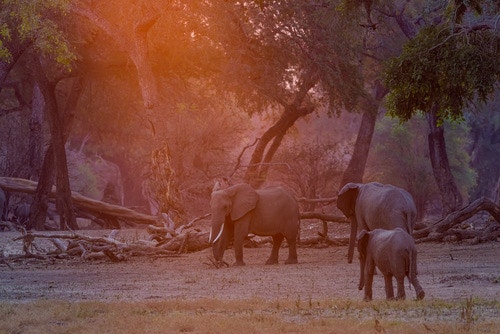
Quick Comparison: Major National Parks
Hwange NP
Size: 14,651 km²
Famous For: Largest elephant population (45,000+), Big Five
Best Time: May-October (dry season)
Access: Easy, 2hrs from Victoria Falls
Accommodation: Luxury lodges to budget camps
Entry: $20-30 per person/day
Mana Pools NP
Size: 2,196 km²
Famous For: Walking safaris, canoeing, photographic opportunities
Best Time: April-October
Access: Remote, 4x4 required
Accommodation: Camps and lodges (limited)
Entry: $20-30 per person/day
UNESCO World Heritage Site
Gonarezhou NP
Size: 5,053 km²
Famous For: Dramatic landscapes, red elephants, remote wilderness
Best Time: May-October
Access: Remote, 4x4 essential
Accommodation: Limited camps
Entry: $20-30 per person/day
Part of Great Limpopo TFCA
Matusadona NP
Size: 1,407 km²
Famous For: Lake Kariba, houseboat safaris, excellent game viewing
Best Time: April-November
Access: Boat or air charter
Accommodation: Houseboats, lakeside camps
Entry: $20-30 per person/day
Matobo Hills NP
Size: 424 km²
Famous For: Granite kopjes, white rhino walks, rock art, Cecil Rhodes’ grave
Best Time: Year-round
Access: Easy, 35km from Bulawayo
Accommodation: Lodges and camps
Entry: $15-20 per person/day
UNESCO World Heritage Site
Chizarira NP
Size: 2,000 km²
Famous For: Rugged escarpment, wilderness, remote safari
Best Time: April-October
Access: Extremely remote, 4x4 + preparation
Accommodation: Basic camps (self-catering)
Entry: $15-20 per person/day
Detailed Park Profiles
- Hwange National Park
- Mana Pools National Park
- Gonarezhou National Park
- Matusadona National Park
- Matobo Hills National Park
- Other Parks & Reserves
Zimbabwe’s Flagship Wildlife Destination
Location: Northwest Zimbabwe, 2 hours south of Victoria FallsSize: 14,651 km² (larger than Connecticut)Established: 1928Landscape:- Kalahari woodland and grassland
- Seasonal pans (vleis) crucial for wildlife
- Flat to gently undulating terrain
- Mix of teak forests, mopane woodland, and open grassland
- Over 100 artificial waterholes maintain wildlife in dry season
- Elephants: 45,000+ (one of world’s largest populations)
- Big Five: All present, including good lion and leopard populations
- Wild Dogs: Regular sightings, one of Zimbabwe’s best locations
- Plains Game: Massive herds of buffalo (30,000+), sable, roan, kudu, giraffe
- Predators: Lion (500+), spotted hyena, cheetah
- Birds: 400+ species including raptors, ground hornbills, kori bustards
- Peak (June-October): Dry season, animals congregate at waterholes, excellent game viewing
- Good (April-May, November): Shoulder season, fewer tourists, good wildlife
- Challenging (December-March): Wet season, animals dispersed, difficult access, but beautiful landscapes and baby animals
- Game drives (day and night where permitted)
- Hide viewing at waterholes (exceptional photography)
- Walking safaris in certain areas
- Bird watching
- Photography safaris
- Luxury: Somalisa, Little Makalolo, Linkwasha, The Hide
- Mid-Range: Hwange Safari Lodge, Sable Sands
- Budget: National Parks camps (Sinamatella, Robins, Main Camp)
- Self-catering: Available at park camps
- 2 hours from Victoria Falls by road
- 1 hour from Bulawayo by air to private airstrips
- Good roads to main areas (2WD possible in dry season)
- 4x4 recommended for remote areas
Park Fees & Permits
National Park Entry Fees
National Park Entry Fees
International Visitors:
- Major Parks (Hwange, Mana Pools, Gonarezhou, Matusadona): $20-30 per person per day
- Smaller Parks (Matobo, Chizarira, Nyanga): $15-20 per person per day
- Victoria Falls National Park: $30-50 per person (includes Falls viewing)
- Generally 50% of international rates
- Significantly reduced rates (often $5-10 per day)
- Usually half price (under 12 years)
- Fees subject to change - verify before travel
- Payment typically in USD (cash preferred, some accept card)
- Receipts valid for calendar day only
- Some lodges include park fees in rates
Vehicle Fees
Vehicle Fees
Cars & Light Vehicles:
- $10-20 per vehicle per day (varies by park)
Special Activity Permits
Special Activity Permits
Walking Safaris:
- Professional guide required in most parks
- Permits included in guided safari costs
- Mana Pools allows some independent walking (guides recommended)
- Required for fishing in parks
- $20-40 per person per day (varies)
- Seasonal restrictions apply
- National Parks campsites: $15-30 per person per night
- Must be booked in advance
- Some sites are self-catering only
- $25-40 per person (in addition to park entry)
- Must be booked in advance
- Limited availability
- Special permits required for commercial work
- Fees vary significantly
- Apply well in advance through ZimParks
KAZA Univisa
KAZA Univisa
What It Is:
- Transfrontier visa covering Zimbabwe and Zambia
- Allows multiple entries to both countries
- Valid for 30 days
- Victoria Falls border posts
- Livingstone border
- Some embassies
- Visit Victoria Falls from both sides
- Combine Zimbabwe and Zambia safaris
- More cost-effective than separate visas
Park Facilities & Services
- Accommodation Options
- Facilities & Infrastructure
- Park Rules & Regulations
Luxury Private Lodges:
- All-inclusive (meals, activities, drinks, park fees)
- Professional guides and vehicles
- Exclusive wildlife viewing
- $600-1,500+ per person per night
- Book 6-12 months in advance for peak season
- Guided activities included
- Comfortable accommodation
- Good guides and equipment
- $200-600 per person per night
- Basic lodges, chalets, and cottages
- Self-catering (bring all supplies)
- Budget-friendly ($30-100 per person)
- Book through ZimParks website or offices
- Often fully booked in peak season
- Designated campsites in most parks
- Facilities vary (some have ablutions, others very basic)
- $15-30 per person per night
- Must bring all equipment and supplies
- No fences - wildlife passes through camps
- Operator brings temporary camp to remote areas
- Includes all equipment, meals, guides
- Authentic bush experience
- $300-800+ per person per night
Safari Areas & Hunting Concessions
Safari Areas:Zimbabwe has 14 designated Safari Areas surrounding national parks where controlled hunting and photographic safaris occur:Purpose:
- Buffer zones between parks and communal lands
- Controlled hunting generates conservation revenue
- Protects corridors for wildlife movement
- Reduces human-wildlife conflict
- Many safari areas also host non-hunting lodges
- Often less crowded than national parks
- Can offer excellent wildlife viewing
- Private concessions with exclusive access
- Strictly regulated by ZimParks
- Quotas based on scientific population management
- Controversial but significant conservation funding source
- Professional hunters must be licensed
- CITES regulations strictly enforced
- Chewore, Dande, Sapi Safari Areas (near Mana Pools)
- Deka Safari Area (near Hwange)
- Sengwe Corridor (connecting Gonarezhou to South Africa)
Transfrontier Conservation Areas
KAZA TFCA
Kavango-Zambezi Transfrontier Conservation AreaSize: 520,000 km² (world’s largest conservation area)Countries: Angola, Botswana, Namibia, Zambia, ZimbabweZimbabwe Parks Included:
- Hwange National Park
- Victoria Falls National Park
- Zambezi National Park
- Matetsi Safari Area
- Panda-Masuie Forest Reserves
- Allow wildlife migration across borders
- Connect ecosystems
- Benefit local communities
- Support regional tourism
Great Limpopo TFCA
Great Limpopo Transfrontier Conservation AreaSize: 35,000 km²Countries: Mozambique, South Africa, ZimbabweZimbabwe Component:
- Gonarezhou National Park
- Malipati Safari Area
- Sengwe Corridor
- Kruger National Park (South Africa)
- Limpopo National Park (Mozambique)
- Elephant migration routes restored
- Genetic diversity maintained
- Reduced human-wildlife conflict
- Regional tourism development
CAMPFIRE Program
What is CAMPFIRE?
What is CAMPFIRE?
Communal Areas Management Programme for Indigenous ResourcesConcept:
- Communities living near wildlife areas benefit from conservation
- Revenue from safari tourism and controlled hunting goes to communities
- Incentivizes conservation over poaching or habitat conversion
- Communities become stewards of wildlife
- Rural districts manage wildlife on communal lands
- Lease hunting quotas and photographic safari rights
- Revenue funds community projects (schools, clinics, infrastructure)
- Employs local people as guides, scouts, and in tourism
- Compensation for crop damage and livestock loss
- Pioneering model copied globally
- Wildlife populations increased in CAMPFIRE areas
- Reduced poaching in participating communities
- Generated millions in community revenue
- Revenue distribution sometimes unequal
- Human-wildlife conflict remains issue
- Administrative capacity varies
- Economic fluctuations affect hunting revenue
- Staying at community-run lodges supports CAMPFIRE
- Safari fees in communal areas benefit locals
- Demonstrates conservation’s value to communities
Planning Your Park Visit
1
Choose Your Park(s)
Consider:
- Time available
- Budget
- Wildlife priorities
- Comfort level (luxury vs. camping)
- Accessibility needs
- Season/timing
- Combination options
2
Book Accommodation
- Luxury lodges: 6-12 months advance for peak season
- National Parks camps: Book via ZimParks website as early as possible
- Confirm all details in writing
- Verify what’s included (meals, activities, park fees)
3
Arrange Transport
- Self-drive: 4x4 essential for remote parks
- Fly-in safaris: Air charter to private airstrips
- Transfer services: Many lodges arrange transfers
- Verify road conditions before departure
4
Prepare & Pack
- Verify park entry fees and payment methods
- Pack appropriate clothing (neutral colors)
- Bring binoculars and camera
- Carry field guides
- Ensure sufficient supplies for self-catering
- Download offline maps
5
Confirm Requirements
- Valid passport (6+ months validity)
- Zimbabwe visa (if required)
- Park reservations confirmed
- Travel insurance (including medical evacuation)
- Vaccinations current (Yellow Fever certificate if arriving from endemic area)
6
Stay Safe & Respectful
- Follow park rules strictly
- Respect wildlife and habitats
- Support conservation through responsible tourism
- Leave no trace
- Share your positive experiences to support conservation
Booking & Contact Information
Zimbabwe Parks and Wildlife Management Authority (ZimParks):- Website: www.zimparks.zw
- Central Reservations: reservations@zimparks.org.zw
- Phone: +263-4-706077/8
- Head Office: Borrowdale, Harare
- Choosing the right safari type
- Booking strategies
- What to expect
- Packing lists
- Photography tips
- Safety information
- Hwange National Park
- Mana Pools National Park
- Gonarezhou National Park
- Matusadona National Park
- Matobo Hills National Park
Planning a safari? We can help you choose the perfect park combination and arrange your ideal Zimbabwe wildlife experience! Last updated: January 2025